
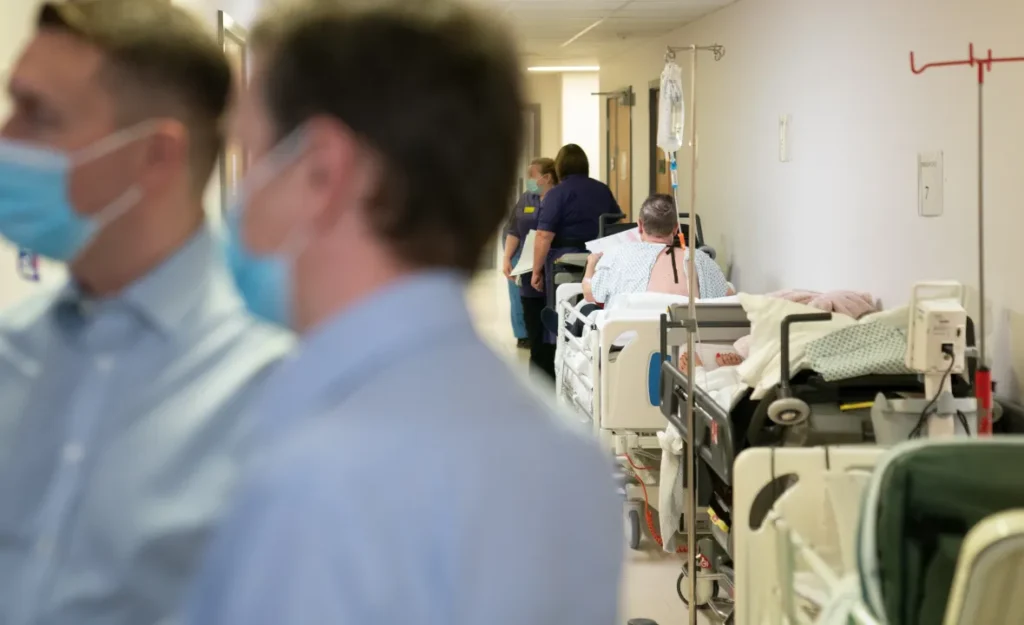
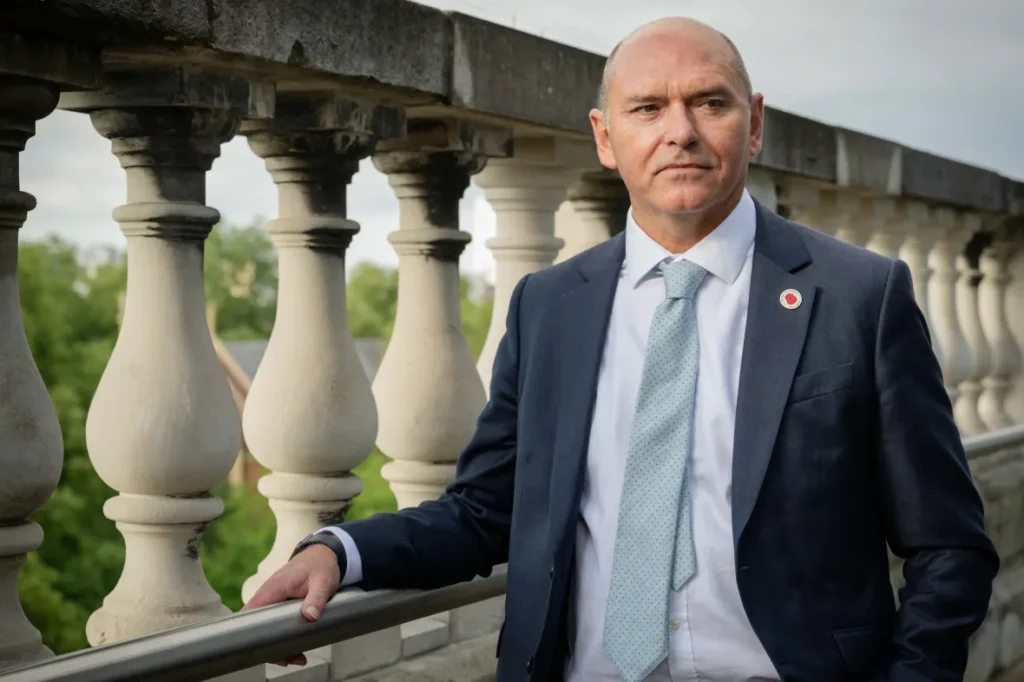
Sir Jim Mackey, Chief Executive of NHS England, said that accident and emergency departments were likely to face record demand amid a “prolonged and difficult” flu wave.
Figures released by the UK Health Security Agency (UKHSA) on Thursday show that flu cases are already three times higher than usual for this time of year, with 247 people admitted to hospital last week alone. The data also highlights a sharp rise in infections among children. Similar outbreaks in Japan, which has declared a national flu epidemic and closed several schools, have fuelled fears of what lies ahead for the UK.
Addressing NHS leaders, Mackey said:
“There is likely to be more footfall through A&E this winter than any on record, with a flu season on the horizon that is likely to be prolonged and difficult. This demand, alongside striking staff, means that in a few months’ time many of you will face challenges that could feel like those tough moments we all went through during the pandemic.”
Doctors’ Strike to Compound Winter Pressures
The British Medical Association (BMA) has called a five-day strike by thousands of resident doctors (formerly known as junior doctors) from 14 to 19 November, in an ongoing dispute over pay and working conditions.
Mackey noted that the NHS had begun its winter planning earlier than usual and welcomed a strong public response to COVID-19 and flu vaccination campaigns. However, he warned that the dual impact of rising patient numbers and industrial action would put “extraordinary strain” on the health system.
Dr Alex Allen, consultant epidemiologist at UKHSA, added:
“We’re seeing an unusually early start to the flu season, with data showing a sharp increase among children but also increases in other age groups.”
Elderly Patients ‘Dying in Corridors’, Report Warns
A separate Age UK report has revealed that elderly patients are suffering the worst effects of NHS pressures, with some dying in hospital corridors due to long delays.
The charity’s analysis shows that one in three people over 90 wait at least 12 hours in A&E, and around 1.15 million patients over 60 faced similar delays in the past year. Cases of “corridor care” have reportedly increased 500-fold in the last decade.
Testimonies gathered by Age UK describe distressing scenes of elderly patients left for days in corridors, some in soiled sheets or surrounded by the dying.
Caroline Abrahams, Age UK’s Charity Director, said:
“No one should have to spend their final days in a hospital corridor where it’s impossible for staff to provide good, compassionate care. It’s shocking that this is what is happening to some very old people in hospitals today. As we head into winter, we fear that an already very difficult situation will get worse.”
One patient, Susan, 78, who suffered a heart attack, described the experience:
“The corridors were lined with patients on hard couches, hooked up to drips, some moaning in pain, some exposed. It reminded me of war films, just beds and queues and people suffering.”
Government Response
Health and Social Care Secretary Wes Streeting said the government was taking unprecedented steps to avoid another NHS winter crisis.
“For far too long, our NHS has been trapped in a recurring winter crisis, the same problems, the same pressures, year after year. That’s why this government started planning for winter earlier than before.
“We’ve brought together the best NHS leaders including a new network of chief operating officers to make sure plans are delivered and patients are protected. Through our Urgent and Emergency Care Plan, we’re investing in more funding, more ambulances, more urgent treatment centres, and tougher performance targets to drive real improvements.”