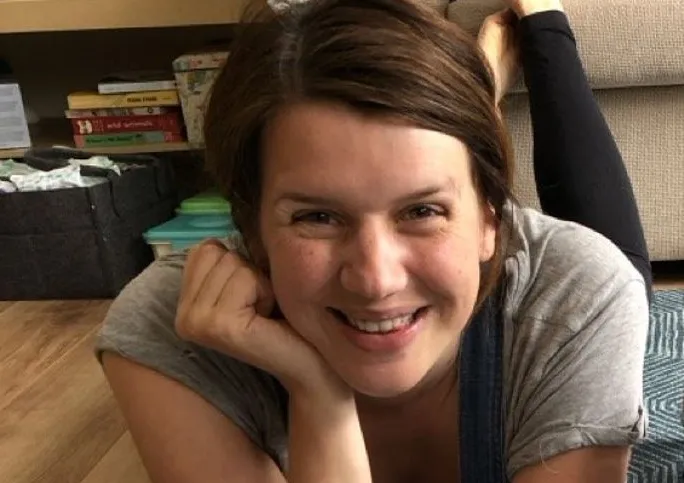
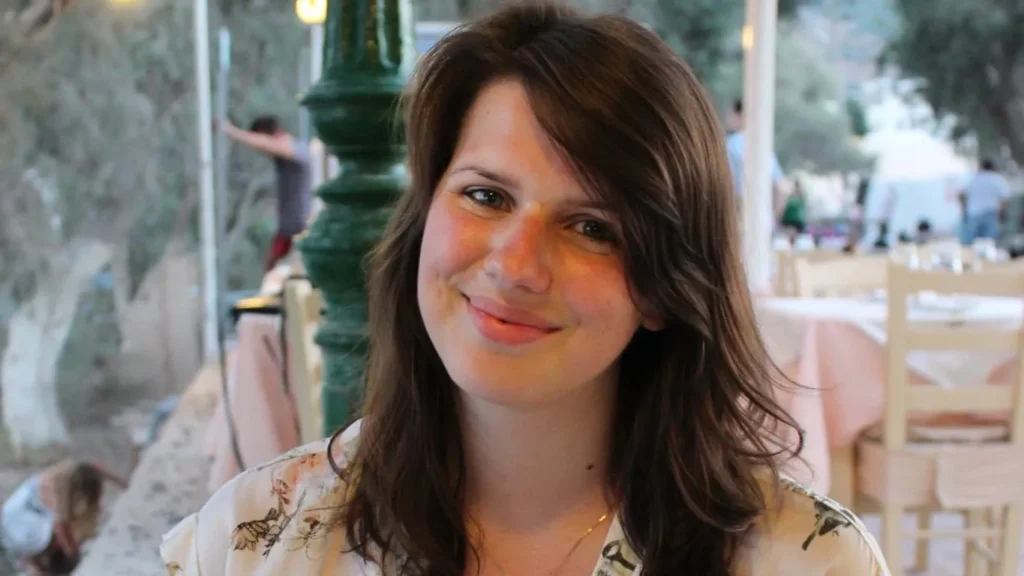
Mistakes made by community midwives were partly responsible for the deaths of 34 year old Jennifer Cahill and her baby, Agnes, an inquest heard. Cahill went into cardiac arrest shortly after the birth, while her daughter died a few days later.
Cahill had chosen a home birth for her second child after facing complications during her first pregnancy in 2021. However, serious gaps in antenatal care meant that the two midwives who attended her home birth had never met her before.
Deputy Chief Coroner for England and Wales, Joanna Kersley, issued a stark warning that more mothers could lose their lives in home births unless immediate action is taken. She questioned why there is still “no national guidance in respect of home births”.
The inquest, held in Rochdale, heard that home births are not treated as a specialist service among midwives and there is no robust framework for women who wish to deliver outside hospital settings. Cahill’s second pregnancy was managed by Manchester Foundation Trust, which classified her case as “low risk” despite her history of complications including post partum haemorrhage.
In February last year, Cahill informed her community midwife that she wanted a home birth, but she was not referred to a senior midwife for an out of guidance care plan — a crucial step for assessing risk and developing a safe birth strategy. As a result, neither of the two attending midwives had been involved in her previous care or were aware of her medical history.
During labour, several failures occurred. Cahill received ineffective pain relief and her baby’s heart rate was not properly monitored. When Agnes was born in the early hours, she was not breathing and the umbilical cord was wrapped around her neck. Resuscitation efforts were ineffective due to a damaged mask valve.
Both mother and child were rushed to North Manchester General Hospital, but further vital checks were missed. Poor communication between paramedics and midwives compounded the crisis. Cahill went into cardiac arrest as a result of severe blood loss after birth and died on 3 June last year. The inquest ruled that both deaths resulted from complications during delivery, with neglect playing a contributory role.
In her closing remarks, Kersley said the circumstances reflected “horrors that should be consigned to a Victorian age nightmare.”
In a prevention of future deaths report, she criticised the absence of national home birth guidance and called for robust, evidence based frameworks similar to those used in hospital maternity care.
She noted that the issue is becoming increasingly urgent as more women with high risk pregnancies request home births where timely interventions may not be possible. “Unlike other areas of care, home births are not treated as a specialist commissioned service,” she said.
The Health Secretary and heads of national health bodies, including the Royal College of Midwives, have been given until January 5 to respond to the findings and outline measures to prevent similar tragedies.