
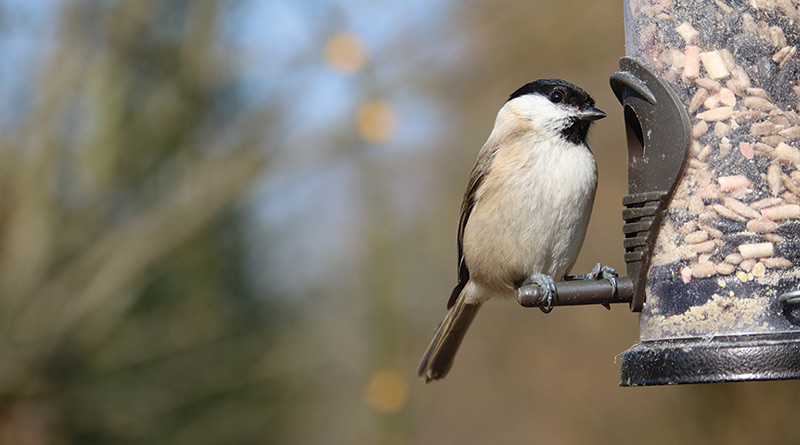
The RSPB initiative runs from Friday 23 January to Sunday 25 January and invites people to spend just one hour counting the birds they see in their garden, on a balcony, or in a local green space. For care homes, the event is about far more than recording bird numbers. It offers residents the chance to connect with nature, engage socially, and contribute to important conservation research.
The Big Garden Birdwatch has become a firm fixture in the care home calendar, with providers across the country using the event to bring nature closer to residents during the winter months. Last year, more than 590,000 people took part across the UK, counting a total of 9.1 million birds.
The RSPB says the late January timing is especially important, as garden birds are more likely to visit feeding areas in search of food and shelter during colder weather. This makes the count easier while giving residents a meaningful way to support local wildlife.
Many care homes extend the Birdwatch beyond the main weekend by organising a range of bird themed activities. These often include making bird feeders and fat balls, setting up feeding stations near windows, creating bird identification displays, and hosting guided birdwatching sessions using binoculars and field guides.
The simplicity of the Birdwatch makes it accessible to everyone. Residents can take part from indoor viewing areas, making it ideal for those with limited mobility. The activity encourages gentle movement, conversation, cognitive stimulation through bird identification, and a sense of purpose by contributing to a national conservation project.
Care homes taking part are asked to choose one hour during the weekend and record the highest number of each bird species seen at any one time. Only birds that land in the garden or outdoor space should be counted. Even if no birds are spotted, the information remains valuable to the RSPB.
Results can be submitted online via the RSPB website or by post to BIG GARDEN BIRDWATCH, Freepost RSPB BIG GARDEN BIRDWATCH. The deadline for submissions is 17 February 2026.
Last year’s Birdwatch results showed House Sparrows continuing their long-standing position as the most commonly spotted garden bird, followed by Blue Tits. Woodpigeons ranked third, reflecting their population growth, while Starlings fell to fourth place, recording their lowest average garden count since the survey began.
To support participants, the RSPB provides free bird identification guides that can be downloaded online or ordered by post, helping residents and staff recognise common garden species and adding an educational element to the activity.
The Big Garden Birdwatch plays a vital role in monitoring the health of bird populations across the UK. Over the past 50 years, Britain has lost more than 38 million birds, with one in four species now under serious threat. The data collected helps conservationists understand which species are thriving and which need urgent protection.
For care home residents, the benefits are equally important. The Birdwatch offers connection to the natural world, involvement in a nationwide initiative, and the reassurance that their observations contribute to meaningful conservation work.
Care sector publication The Carer has encouraged homes to share their Birdwatch experiences, from residents using binoculars to homemade feeders and close-up garden bird photos, to celebrate the role care homes play in this national tradition.
Further information and registration details are available on the RSPB website.