However, scrutiny of historical social media posts attributed to Fattah has sparked controversy. Messages from over a decade ago, widely circulated online, appear to show him endorsing violence against “zionists” and “police.” Some of these posts date back to 2012–2014, when Fattah was previously nominated for the Sakharov Prize for human rights, a nomination that was later withdrawn following backlash over his tweets.
Fattah, 44, who spent nearly ten years in Egyptian prisons for protest-related activities, said in 2015 that his comments had been taken out of context and were part of private online conversations during an Israeli military operation in Gaza.
Despite his history as a political detainee and advocacy for democracy, the resurfacing of these posts prompted criticism from UK Conservative figures. Robert Jenrick, shadow justice secretary, described Starmer’s public support for Fattah as a “serious error of judgment” and wrote to Starmer urging caution, citing what he called Fattah’s “record of extremist statements about violence, Jews and the police.”
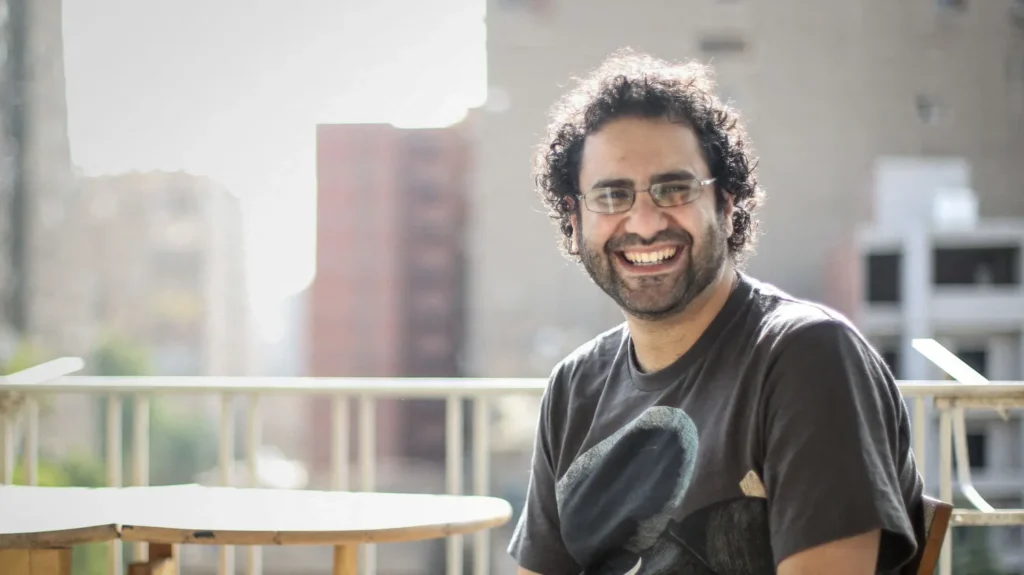
Jenrick noted: “By his own public posts, Mr Abd El-Fattah has endorsed killing ‘zionists’ and urged more of it. He has also been widely reported as having called for the killing of Israelis, in terms so extreme that his nomination for a major European human rights prize was withdrawn when the post came to light. He has since sought to explain himself. That only underlines the point: this is not ancient history. It is a live controversy about incitement and hatred.”
A government spokesperson emphasised that Fattah is a British citizen and that securing his release had been a long-standing priority under successive UK administrations. Starmer’s office previously highlighted that Jonathan Powell, his national security adviser, and other senior officials had raised Fattah’s case in government meetings.
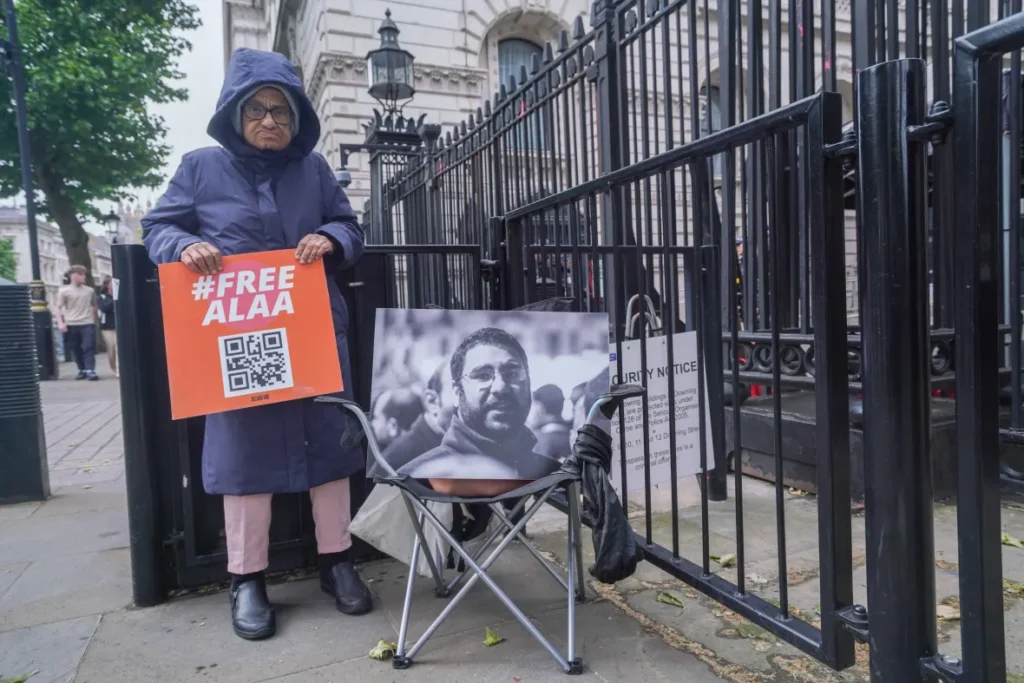
Fattah’s mother, Laila Soueif, who campaigned vigorously for his release, reportedly endured severe health risks, including hunger strikes, in pursuit of her son’s freedom. Fattah, a father to a 14-year-old in Brighton, was granted British citizenship in 2021 while in detention.
The controversy underscores the tension between Fattah’s long-standing activism and his past statements, with public debate in the UK continuing over the appropriateness of political endorsement amid resurfaced social media content.