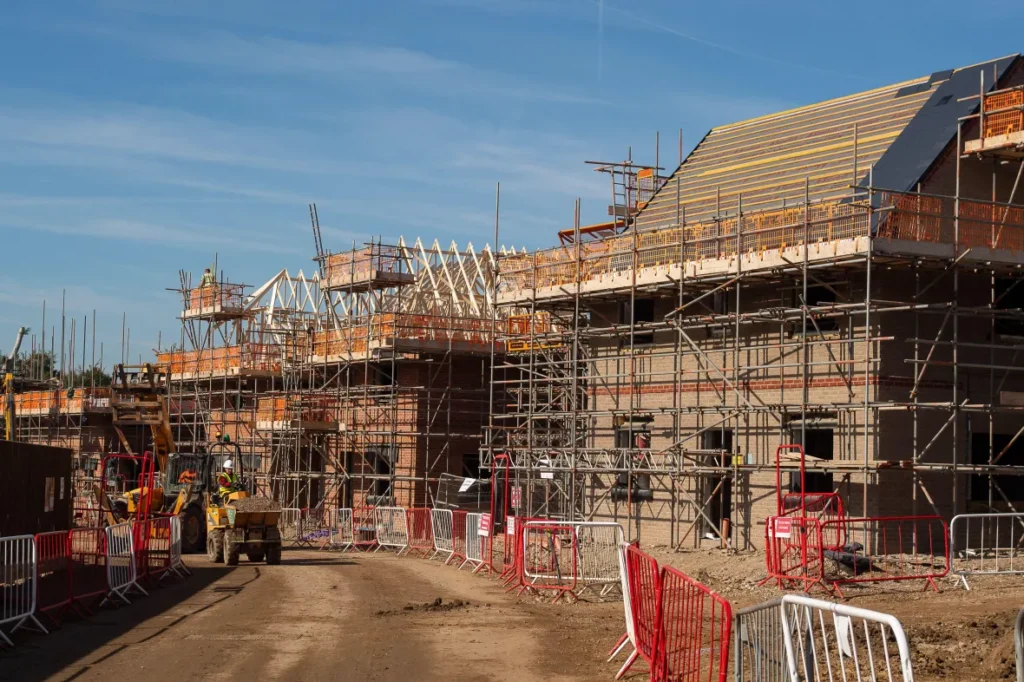
From the start of 2025 to 14 December, 203,900 homes were completed across the country, according to energy performance certificate (EPC) registration data. EPCs are issued for every new dwelling, making the figures a reliable indicator of housebuilding levels.
Analysts at property consultancy Savills said the week beginning 15 December was likely “reasonably strong” for completions as developers rushed to move customers in before Christmas. After the holidays, very few homes are expected to be finished. Emily Williams, director in Savills’ residential research team, said: “We are on track for about 208,000 new homes to be built in England this year.”
Labour has made building 1.5 million homes a key pledge since Sir Keir Starmer became prime minister in summer 2024. Achieving this target would require an average of 300,000 new homes per year. Despite data suggesting the target is ambitious, ministers remain committed, hoping that planning reforms and support for developers will boost output.
A spokeswoman for the Ministry of Housing, Communities and Local Government said the latest figures “shine a light on the broken planning system we inherited”. She added: “Fixing this won’t happen overnight. We have already completely overhauled the system to turn this around and build 1.5 million homes.”
The pipeline for new homes remains weak. In the year to September, only 208,000 were granted planning permission, the lowest rolling annual total since 2013. Builders are struggling with stagnant house prices and construction costs that have risen by as much as 40 per cent in five years.
The situation is most acute in London, where high-rise flats are constrained by delays at the Building Safety Regulator. Decisions, meant to be issued within 12 weeks, are taking up to a year. Fewer than 34,000 homes were approved in the capital in the year to September, the lowest ever, according to the Home Builders Federation.
Catherine Williams, a residential property lawyer at Addleshaw Goddard, said developers are deterred by “viability challenges and delays at the regulator”. She suggested demand-side support for first-time buyers and reduced development levies and taxes could help improve supply. Big developers are already facing costs to fix dangerous cladding, higher corporation tax, and a new building safety levy due next autumn.