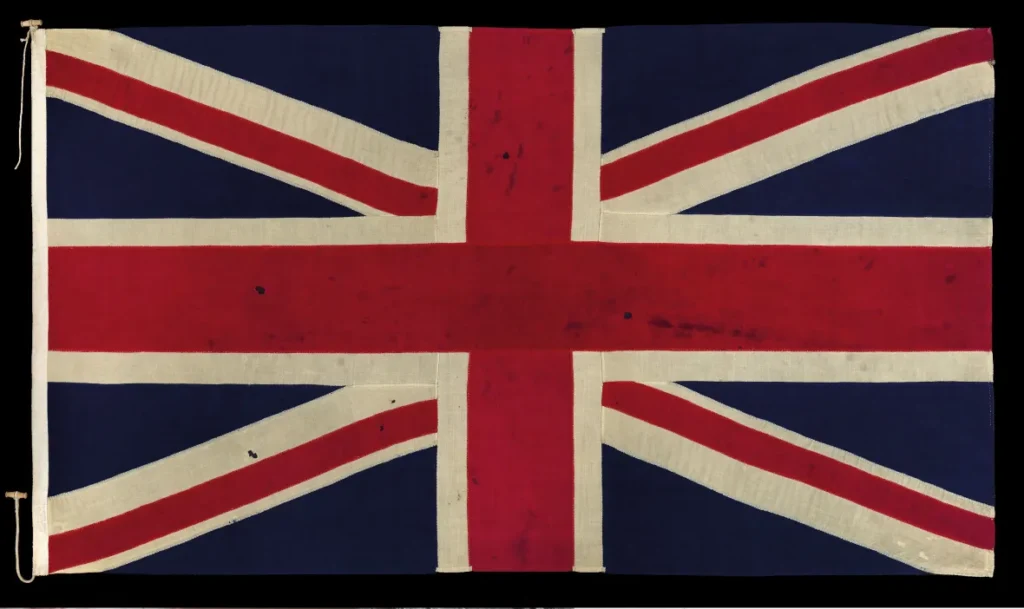
Now in private hands, the flag is under a three-month government export ban to give British galleries or institutions the chance to purchase it for £450,000. VAT of £90,000 will also apply, though eligible organisations can reclaim this sum. Without a buyer, the historic artefact risks leaving the country permanently.
The flag witnessed Vice-Admiral Cuthbert Collingwood’s flagship, Royal Sovereign, lead Nelson’s fleet into a head-on attack against the Franco-Spanish navy. Nelson’s tactical innovation charging directly into enemy lines rather than the traditional side-on approach, secured a decisive victory, though Nelson himself was fatally wounded during the battle. The triumph established British naval dominance for over a century.
Experts emphasise the flag’s historical significance. The Reviewing Committee on the Export of Works of Art highlighted its “outstanding connection with our history and national life” and its value for studying commemorative practices, naval innovation, and flag-making. Pippa Shirley, a committee member, described it as a “battle-scarred but astonishingly intact” witness to Nelson’s genius and the intensity of close-quarter naval warfare.
The flag was preserved by descendants of Charles Aubrey Antram, a master’s mate on HMS Royal Sovereign, before being sold anonymously at Christie’s London. It was recently listed by Cambridge dealer Martyn Downer, giving institutions a rare chance to secure one of only three surviving flags from Trafalgar.
Culture Minister Baroness Twycross stressed its national importance: “Few symbols in our country are as evocative as the Union Flag. This artefact epitomises a defining moment in British history, and I hope it can remain for the public to enjoy.”