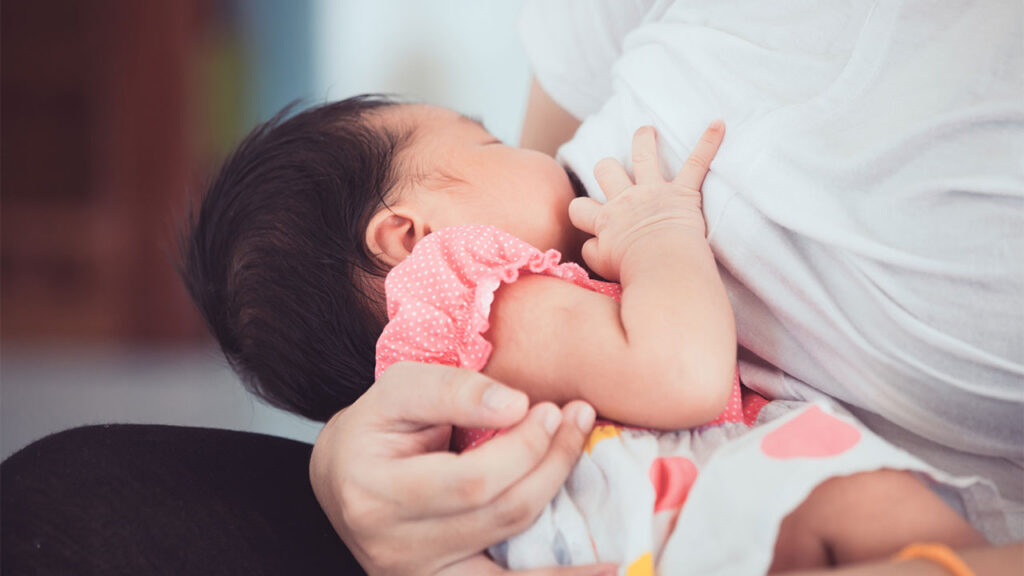
Scientists at the Peter MacCallum Cancer Centre found that women who breastfed had higher levels of specialised immune cells known as cytotoxic T lymphocytes. These cells remain in the breasts for decades after childbirth, ready to attack any abnormal cells that could potentially develop into tumours.
The study, led by Professor Sherene Loi, analysed data from 1,000 breast cancer patients and discovered that women who had breastfed were more likely to have these protective immune cells.
“We found that women who have breastfed have more specialised immune cells, called CD8+ T cells, that ‘live’ in breast tissue for decades after childbirth,” said Professor Loi. “These cells act like local guards, ready to destroy abnormal cells that might turn into cancer.”
For every year a woman breastfeeds, her lifetime risk of developing breast cancer drops by around four per cent.
While scientists have long known that breastfeeding lowers the risk of breast cancer, the biological reason behind it has remained unclear until now. The findings, published in Nature, show that these T cells form a lasting immune memory that can help prevent the disease, particularly aggressive types such as triple negative breast cancer.
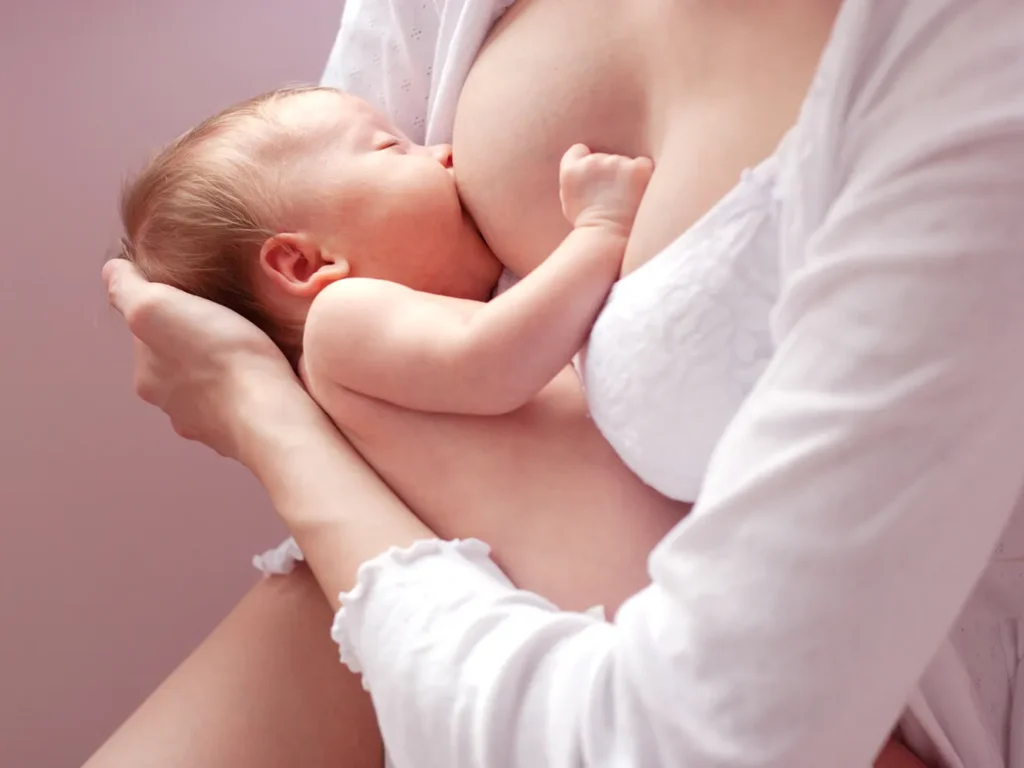
Laboratory tests on mice supported the human data, revealing that animals that had given birth and breastfed were better able to fight tumour growth, but only when T cells were active.
Previous theories suggested hormonal changes during pregnancy explained the reduced risk, but this study highlights that the immune system plays a much greater role.
In the UK, more than 55,000 women are diagnosed with breast cancer every year, and 11,400 die from the disease. Research published in The Lancet last year estimated that one in four cases could be prevented, with one in twenty linked to women not breastfeeding after giving birth.
Despite the benefits, breastfeeding rates in Britain remain low, with only half of infants breastfed at six weeks. The researchers are calling for stronger government policies and workplace support to help mothers continue breastfeeding for longer.
breastfeeding, breast cancer, immune system, cytotoxic T cells, Professor Sherene Loi, Melbourne research, Peter MacCallum Cancer Centre, women’s health, cancer prevention, motherhood, UK health, Nature journal, breastfeeding rates, triple negative breast cancer, health research