
Bakers, family-run farms, and café owners are blaming last year’s national insurance increases, soaring business rates, and a higher minimum wage for forcing many traders to close.
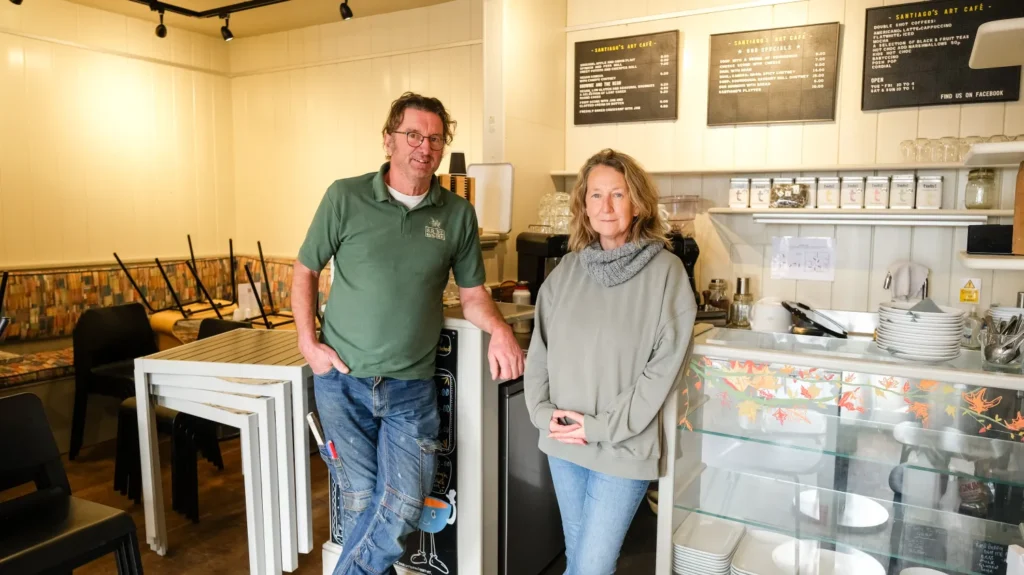
Helen Ball and her partner Steve Lee opened Santiago’s Art Café in Botesdale, just 15 minutes from Diss town centre, fulfilling a lifelong dream. Yet, after just three years, the café closed in October. With annual turnover never exceeding £65,000, the couple found that rising national insurance contributions, business rates, and minimum wage hikes, combined with low footfall, made the business unsustainable.
“We put a great deal of time into it but we did not get the reward,” Lee said, standing in the empty café, its walls now stripped of the art once sold there.
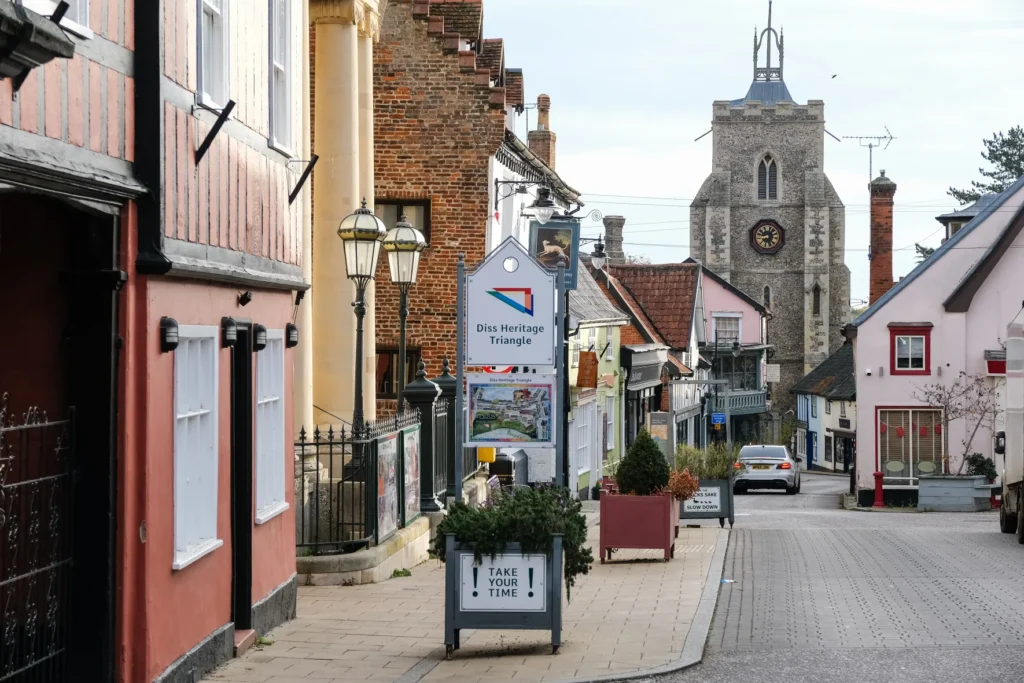
Diss is part of a wider rural picture: pubs are closing, banks and post offices are disappearing, and businesses are struggling to survive. Freedom of information requests show South Norfolk is one of five rural councils in England registering record high vacant commercial buildings this year. Across 45 rural councils, at least 17,000 commercial properties lie empty, a figure likely to rise, as only 29 councils responded to the Country Land and Business Association (CLA) survey.
CLA president Victoria Vyvyan said: “The government’s attacks on business are damaging the economy in rural areas. Raising national insurance is resulting in job losses, and inheritance tax reforms are causing investment to collapse. When local businesses fold, they don’t just take jobs, they take prosperity, identity, and the quiet bonds that hold a place together.”
Adrian Ramsay, the Green Party MP for Waveney Valley, which includes Diss, confirmed that the town’s shop vacancy rate is 13 per cent. “Independent businesses in market towns face pressure from national insurance and business rate rises. The government must revisit this. Supporting these businesses is vital for employment and the health of rural communities,” he said.
Paul Muncila, 67, owner of the Tudor Bakehouse, which has six branches including one in Diss, faced an extra £80,000 in annual staff costs due to the national insurance hike. “We had to raise prices to stay balanced, but people notice every penny. The minimum wage increase affects skilled staff wages too, so costs rise across the board,” he explained. Despite a thriving £2.5 million turnover, Muncila worries about future tax increases.
Financial planner Sean McCann of NFU Mutual highlighted that rising national insurance and minimum wage contributions are squeezing profit margins for small businesses.
Ed Bailey, of the Shotesham Park estate near Norwich, said rising national insurance and business rates have hit his wedding and event business hard. “Wedding pricing is set years in advance. Increased costs now lower long-term margins, and contractors pass on their own costs too,” he explained. Bailey also cited fuel duty as a disproportionate burden for rural enterprises reliant on travel.
Despite challenges, Bailey remains optimistic: “There’s a bright future for rural business. We have to keep moving forward.”
Local efforts are also helping mitigate closures. Diss Heritage Trust chairman Alan Franks took over the vacant Beales department store in 2023, creating a hub for small businesses, including a café, record shop, and ceramicist studio. Lower tenancy rates and flexible leases encourage startups to take space without long-term commitment.
Lisa Overton-Neal of South Norfolk Council confirmed the authority is actively supporting small businesses through engagement with landlords and a £350,000 fund for 2025-26. Yet she warned: “National insurance and minimum wage rises have strained cash flow. Further tax increases risk pushing more businesses over the edge.”