
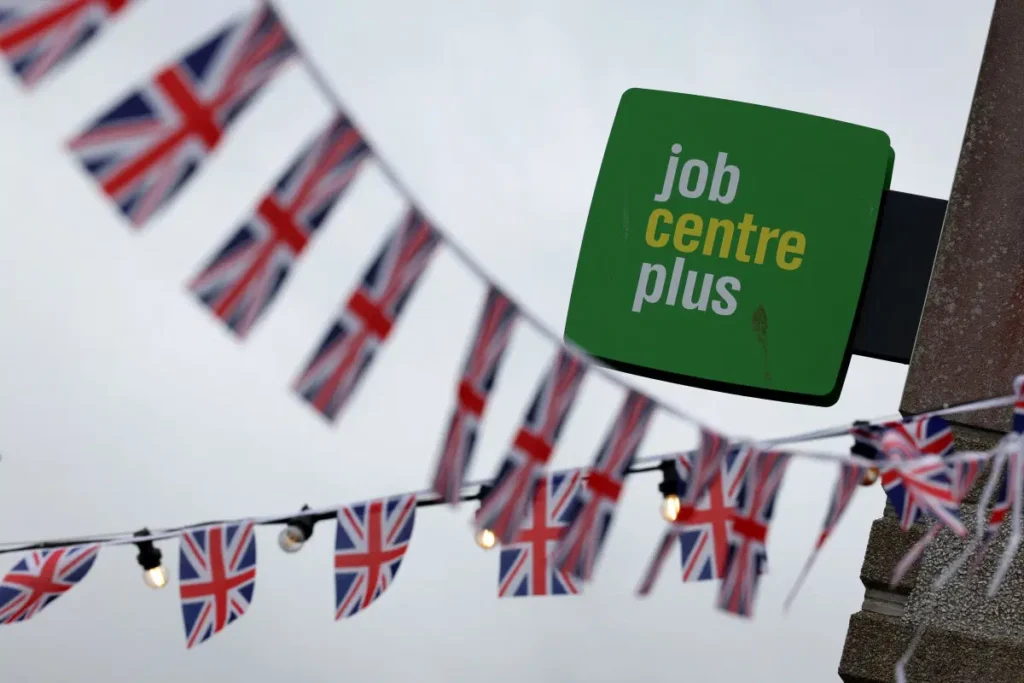
Unemployment in the UK has remained near a five-year high, while wage growth continued to cool in the months leading up to Chancellor Rachel Reeves’s November budget, official figures show.
The Office for National Statistics (ONS) reported on Tuesday that the jobless rate held steady at 5.1 per cent in the three months to November, the highest level since the quarter to January 2021 and in line with analysts’ forecasts.
Joblessness has been gradually rising since 2022, with government data suggesting that tax increases introduced in the chancellor’s first two budgets have added pressure on the labour market.
Liz McKeown, director of economic statistics at the ONS, said: “The number of employees on payroll has fallen again, with reductions over the last year concentrated in retail and hospitality, reflecting ongoing weak hiring activity.”
Data from HM Revenue and Customs also showed that payroll employment has fallen by 220,000 since the October 2024 budget. Over the month to December, payroll employment dropped by 43,000, the largest monthly decline since November 2020, during the peak of the Covid-19 crisis, though these figures are subject to revision.
“While there was a slight increase in vacancies in the latest period, the overall number has remained broadly flat over the last six months, following a long decline,” McKeown added.
Yael Selfin, chief economist at KPMG UK, noted that more recent private-sector data suggests employers are signalling continued caution on hiring. “Higher employment costs are dampening labour demand,” she said, adding that unemployment could rise to 5.3 per cent by the end of the year.
In the three months to November, wages excluding bonuses increased by 4.5 per cent, the smallest rise since April 2022. Pay in the private sector grew by just 3.6 per cent, a five-year low, while public sector wages jumped by 7.9 per cent.
The slowdown in wage growth is expected to strengthen the case for further Bank of England interest rate cuts in 2026, with markets currently predicting two reductions, taking rates from 3.75 per cent to 3.25 per cent.
The labour market has been hit by higher employer national insurance contributions, sluggish consumer spending, elevated interest rates, and rising operating costs, all of which have made businesses more reluctant to hire.
Meanwhile, the share of people who are economically inactive not in work and not seeking employment fell slightly to 20.8 per cent from 21 per cent in the previous quarter.