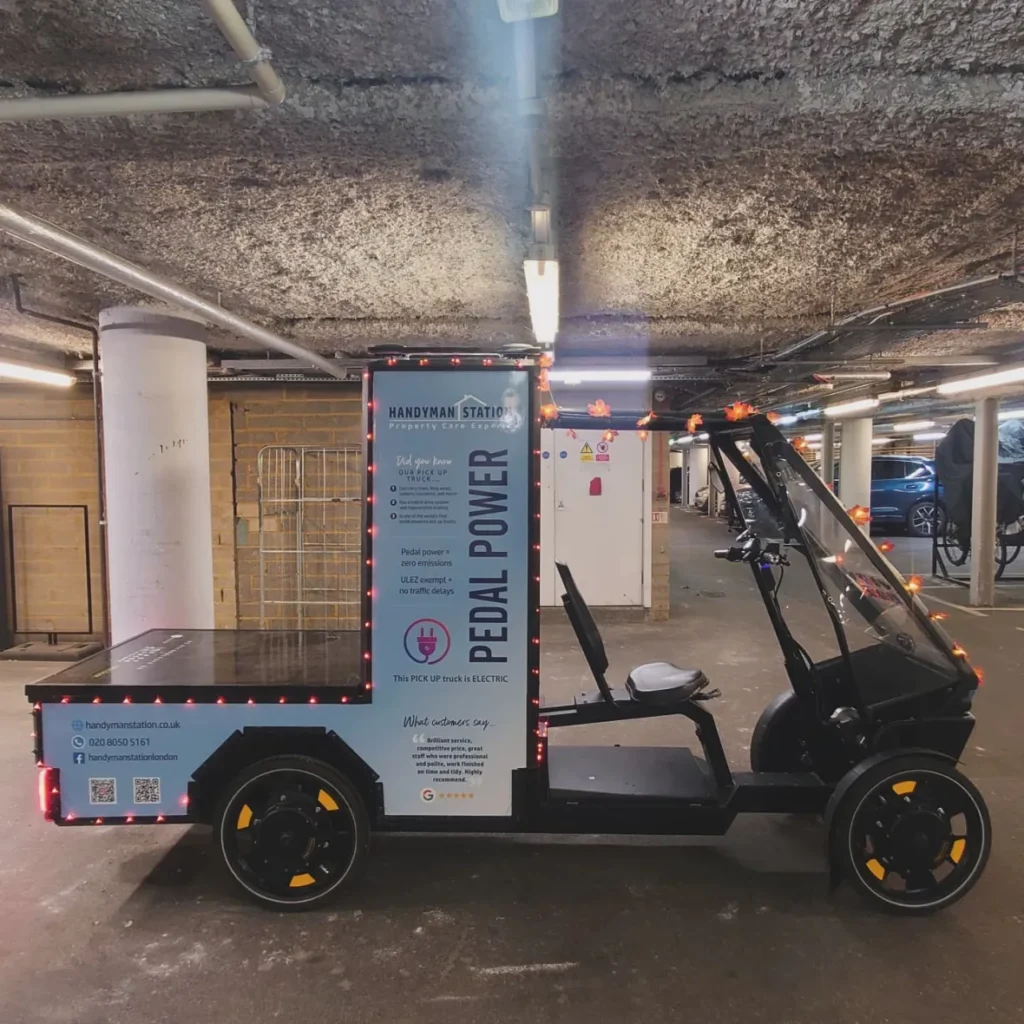
In the trailer of his cargo bike, handyman Jeremy Lewis-Phillips has hauled it all 300kg of rubble, a two-metre-tall Santa’s grotto, even a full-sized tree. “The tyres were struggling a bit, but the bike was fine,” he laughed. “Anything other handymen carry in their vans, I can carry on my bike.”
Lewis-Phillips, founder of Handyman Station in Richmond, is part of a growing wave of London tradespeople ditching vans for electric cargo bikes. For him and his small team, cycling isn’t just greener, it’s faster. “We can cut through traffic, park anywhere, and skip the congestion charge,” he said.
What began as a solo venture in 2020 with Lewis-Phillips pedalling around town with his tools in a basket has evolved into a three-bike operation offering plumbing, decorating, and gardening services. “Cycling is a no-brainer,” he said. “It’s cheaper, more convenient, and way less stressful.”
Across London, the sight of cargo bikes is becoming increasingly common. In areas like Hackney, Islington, and Walthamstow, parents pedal their kids to school in barrows, while couriers whizz through central London delivering everything from parcels to flowers. Between 2022 and 2024, cargo bike journeys rose by 104 per cent, a sign of a city rethinking how it moves.
City Hall views this shift as a crucial step toward cleaner, less congested streets. Will Norman, London’s Walking and Cycling Commissioner, said: “We’re just at the cusp of this change. It makes sense economically, environmentally, and from a safety point of view.”
According to Transport for London, cargo bikes could replace up to 17 per cent of van trips in central London by 2030. But campaigners say the city could aim higher.
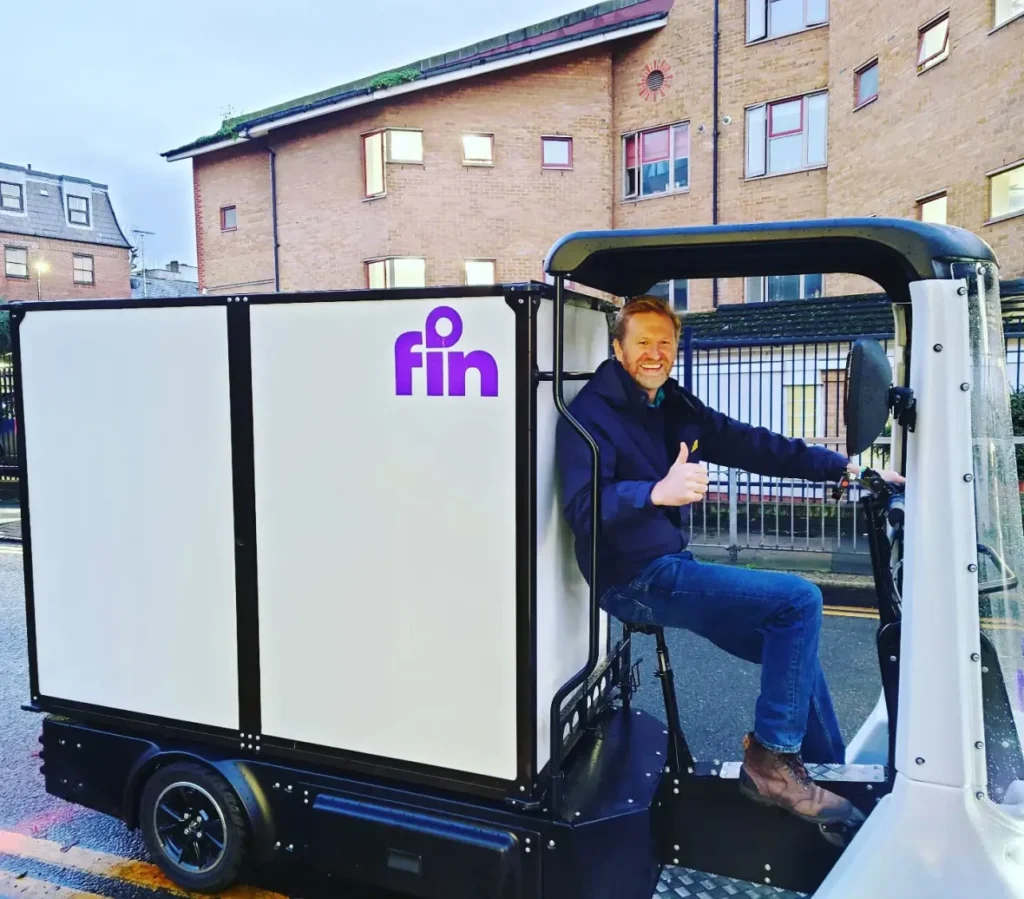
Zak Bond from the charity Clean Cities believes reallocating road space is key. “We probably do need to take some parking spaces away from cars and give them to bikes,” he said. “It’s not about slowing traffic, it’s about giving people more efficient, climate-friendly options.”
Bond points to the Netherlands, where DHL already makes 61 per cent of inner-city deliveries by bike.
To showcase London’s own shift, Clean Cities organised a “cargo bike cruise” earlier this autumn, a 50-strong parade of pedal-powered tradespeople. Lewis-Phillips joined the event, but said it also revealed London’s limitations. “It was absolute mayhem,” he said. “The bike lanes are stretched to their capacity. If everyone switched to cargo bikes tomorrow, I’m not sure it would work.”
He supports improving cycling routes but admits there needs to be balance. “I’m a car driver too,” he said. “Turning every road into a bus or bike lane would be tough on families.”
Aaron Fleming-Saheed, an electrician from Greenwich who runs Cycling Sparks, shares the enthusiasm and the challenges. “There’s no cargo bike hire scheme,” he said. “If people could try them first, more might switch. But with bikes costing £4,500 and nowhere safe to store them, it’s a big leap.”
Still, Fleming-Saheed insists he’ll never go back to a van. “The bikes need some maintenance, but compared to running a car it’s cheap. Plus, we don’t pay the Ulez or congestion charge, so customers save too.”
He credits local government for improving cycling routes. “A few years ago, I had to share Bermondsey’s roads with cars now there’s a lane all the way through. In the mornings, it’s packed. London is changing, and I think it’s changing for the better.”