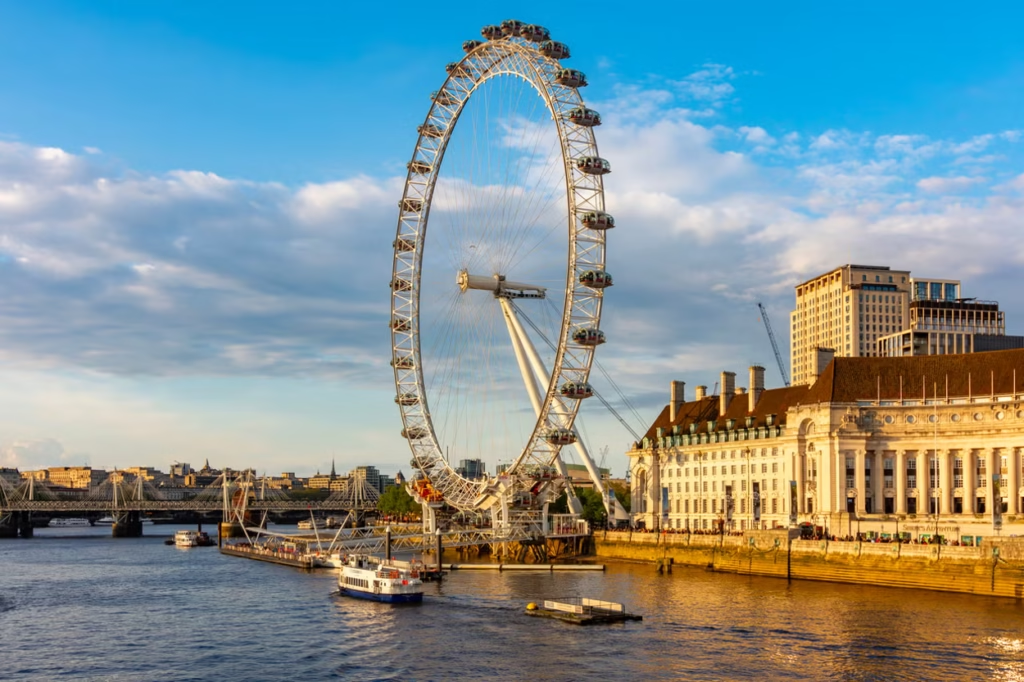
The analysis looked at a hypothetical 3 per cent levy on overnight stays and concluded that the capital could see a substantial boost to funding for public services and infrastructure. Central London boroughs, including the City of London, Westminster, Southwark, and Tower Hamlets, are expected to contribute the bulk of the revenue, with CLF estimating £275 million would be raised in these areas alone.
The UK government announced last November that mayors in England would gain powers to impose a visitor levy on overnight stays. Sadiq Khan, Mayor of London, described the announcement as “great news,” saying the extra funding would “directly support London’s economy and help cement our reputation as a global tourism and business destination.”
Local Authority Concerns
CLF highlighted that while tourism brings economic benefits, it can also strain local council budgets, increasing costs for street cleaning, public realm projects, and infrastructure maintenance. Local authorities argue that residents currently fund many of these services, despite visitors creating much of the demand.
Cllr Adam Hug, Leader of Westminster City Council and Chair of CLF, said:
“The boroughs in central London play a crucial role in the growth of the visitor economy. We work to keep streets clean, safe, and well-maintained, invest in new public realm projects, and support local businesses. Many of these services are currently funded by our residents, which is not right. At least 50 per cent of revenue from an overnight stay levy should remain in London boroughs so we can continue providing the services the city needs.”
The government is still consulting on the design of the levy, and it has not yet been decided how revenue will be split between local authorities and City Hall. Some boroughs are already campaigning for a significant share to remain local, arguing this would help manage the pressures of tourism, particularly in the busiest parts of central London.
CLF’s analysis notes that 71 per cent of London’s hotel rooms and 67 per cent of short-term lets are located within its 12 boroughs, further highlighting the need for a local share of any funds raised.
The proposed tourist tax could mark a major funding boost for London while giving boroughs the resources needed to manage overtourism and maintain the city’s streets, public spaces, and services.