
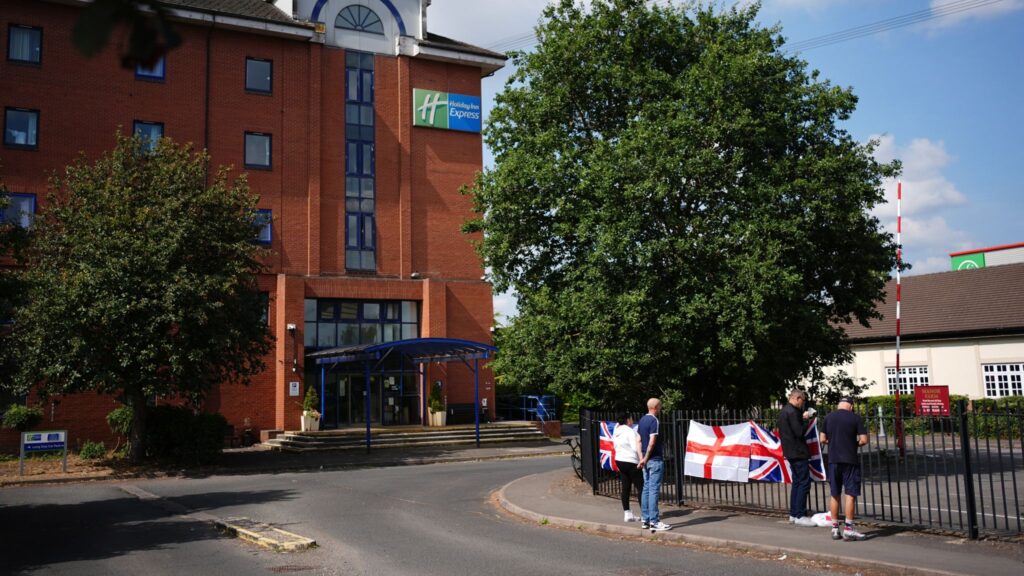
The committee’s findings reveal that the projected cost of housing asylum seekers has tripled from £4.5 billion to £15.3 billion, as demand has surged since the COVID-19 pandemic and a sharp rise in small boat arrivals.
The report, which examines asylum accommodation contracts covering 2019 to 2029, accuses the Home Office of “chaotic mismanagement” and failing to recover tens of millions of pounds in excess profits owed by private accommodation providers.
Mounting Costs and Failing Oversight
The MPs said the Home Office had “failed to get a grip” on the crisis and called for a long-term plan to replace hotels with more sustainable accommodation. The government has pledged to end the use of asylum hotels by 2029, following widespread criticism over costs and community tensions.
Committee chair Dame Karen Bradley warned that the department had focused on “short-term, reactive responses” rather than addressing structural failings.
“The Home Office has not proved able to develop a long-term strategy for asylum accommodation,” she said. “It must get a grip on the system to bring costs down, or it is doomed to repeat the same mistakes.”
The report also found that the Home Office repeatedly cut corners in its response to the crisis and failed to properly engage with communities hosting asylum seekers. MPs said this lack of transparency has fuelled misinformation and undermined public trust.
Government Response
Communities Secretary Steve Reed defended the government’s record, telling Sky News that ministers were “working at pace to fix the problems we inherited”.
He said efforts were under way to expand the number of caseworkers and develop cheaper alternatives to hotels.
“The Home Secretary has been involved in conversations about using disused military bases instead of hotels,” he said. “We’ve already saved £1 billion, so costs are starting to go down.”
A Home Office spokesperson said the government was “furious” about the number of illegal migrants still in hotels and insisted the department was taking action.
“We will close every single asylum hotel, saving the taxpayer billions,” they said. “Hotels are closing, asylum costs are being slashed by nearly £1 billion, and we are exploring the use of military bases and disused properties.”
Community Tensions and Epping Example
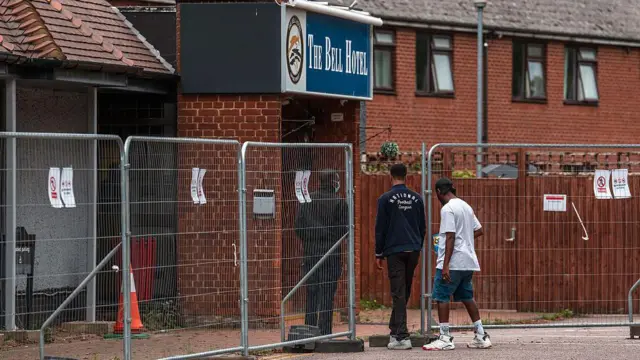
The report highlights growing community unrest in areas hosting asylum hotels, including Epping in Essex, where demonstrations erupted outside the Bell Hotel after migrant Hadush Kebatu was charged and later jailed for sexual assault.

MPs said the Home Office must prioritise closing hotels where there have been “significant community cohesion issues” and work more closely with local authorities to reduce tensions.
Opportunities for Reform
The report identified a 2026 break clause and the 2029 end of existing contracts as opportunities for the government to overhaul the current system. It urged the Home Office to design a fairer and more flexible accommodation model that offers value for money and restores public confidence.
“The lack of engagement and transparency has left space for misinformation and mistrust to grow,” the report concluded. “This has led to tensions and undermined the ability of local partners to promote social cohesion.”