
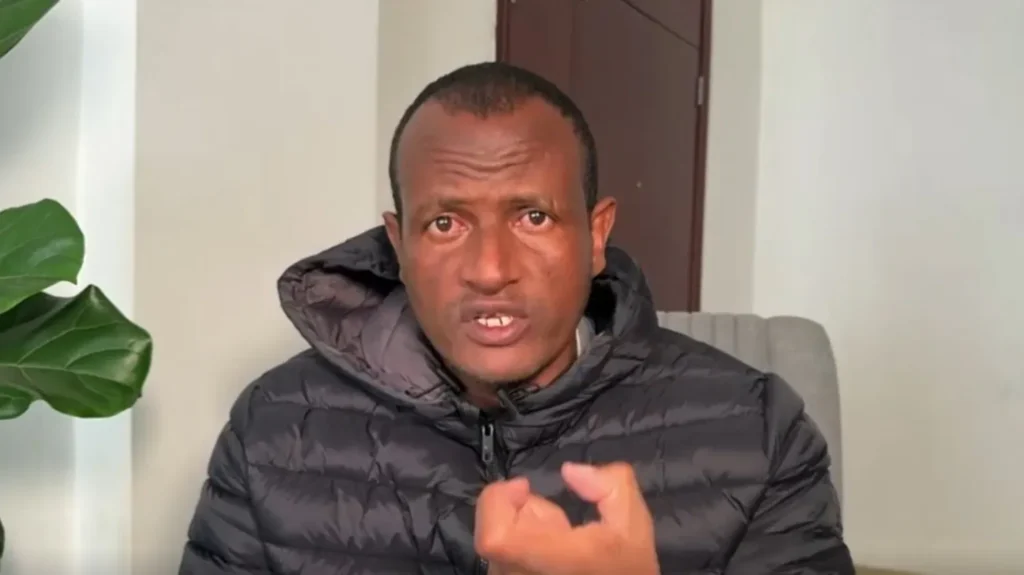
Hadush Kebatu, 41, from Ethiopia, was jailed for sexually assaulting a 14-year-old girl and a woman. He was wrongly released from HMP Chelmsford on Friday instead of being transferred to an immigration removal centre, prompting a 48-hour police manhunt.
Kebatu was eventually deported to Ethiopia on Tuesday night after receiving a £500 discretionary payment from UK authorities. He had threatened to block his deportation by making a last-minute asylum claim.
Speaking after his deportation, Kebatu told Sky News:
“I told police, look here, police I am wanted man, I am arrested, I will give you my hand, please help where is police station? He ignored me, he drove off.”
He claimed to have identified himself by name, adding:
“Please, I was the mistake release from Chelmsford prison. Please help me.”
However, the Metropolitan Police said there was “no evidence” to support Kebatu’s account. The force stated that his behaviour “was more like someone trying to avoid officers, not hand himself in.”

Officials confirmed that Kebatu had been paid £500 to leave the UK after he threatened to frustrate his removal. Home Office sources said the payment was made to avoid the cost and disruption of a delayed deportation.
Downing Street confirmed that while Kebatu had tried to apply for the £1,500 voluntary return scheme, the bid was rejected. The £500 payment was authorised as an operational decision to ensure his swift removal.
The Home Secretary, Shabana Mahmood, said:
“Last week’s blunder should never have happened and I share the public’s anger that it did. I am pleased to confirm this vile child sex offender has been deported. Our streets are safer because of it.”
Justice Secretary David Lammy announced an independent inquiry into Kebatu’s mistaken release, to be chaired by Dame Lynne Owens, former head of the National Crime Agency.
Accidental prison releases have reportedly more than doubled in the past year, with 262 cases recorded to March 2025.
Kebatu is the fourth individual deported to Ethiopia this year, despite Britain lacking a formal returns agreement with the country.