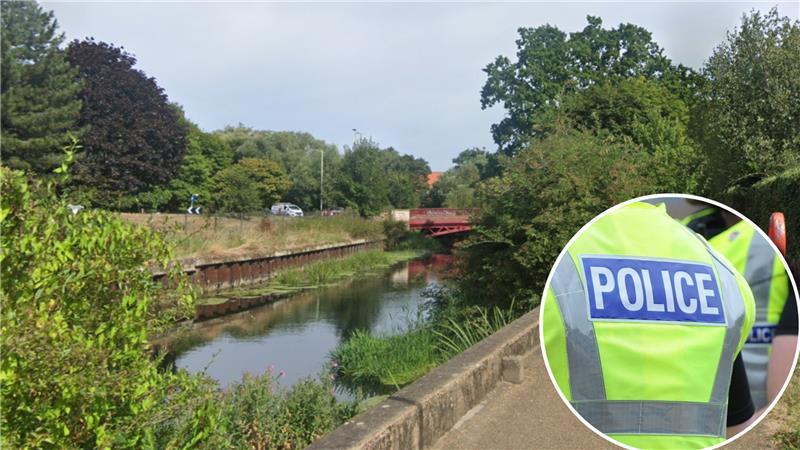

Deividas Skebas, 26, killed Lilia Valutyte in the town centre of Boston, Lincolnshire, on July 28, 2022. The child was playing with a hula-hoop on a pedestrianised street near her mother’s embroidery shop when she was attacked. She died in her mother’s arms within an hour of being stabbed in the chest.
Skebas, a Lithuanian national who had recently returned to the UK, denied murder but admitted manslaughter on the grounds of diminished responsibility. He had been diagnosed with schizophrenia and told police he believed he was being controlled by a microchip implanted in his body. Psychiatrists assessed him as experiencing psychosis at the time of the attack.
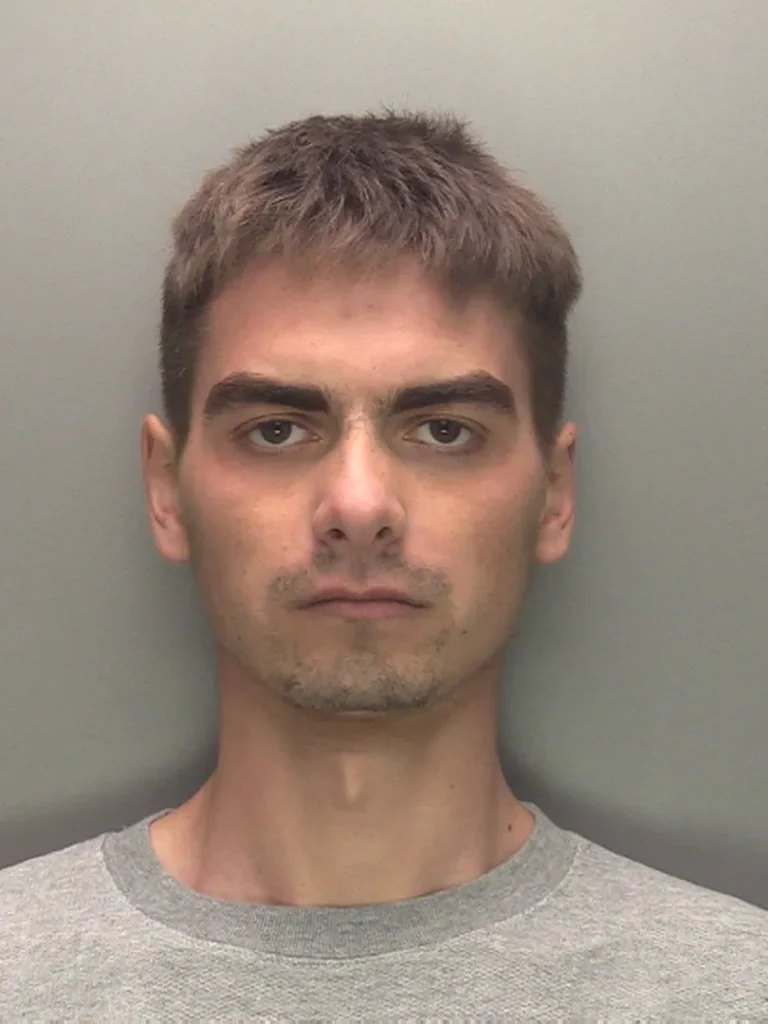
A jury at Lincoln Crown Court found him guilty of murder by a majority verdict of 11 to one. The court heard that Skebas waited until the area was quieter before approaching the child. He then produced a knife from his clothing and stabbed her once before fleeing the scene.
An off-duty police officer heard cries for help and attempted to intervene, but Skebas escaped. Despite efforts to save her, Lilia was pronounced dead shortly afterwards.
In the days following the attack, Skebas attempted to leave the country by bus to Lithuania. He was arrested two days later and later transferred to a secure psychiatric hospital as his mental health deteriorated.
During sentencing, the judge described the attack as a “shocking and horrific act of violence”. He said Lilia was a “happy, lively girl as carefree as any nine-year-old should be” and emphasised that she should have been safe while playing just yards from her mother in a public area.
The court also heard victim impact statements from Lilia’s mother, who described the devastating loss and the unanswered questions that continue to haunt her family. Her stepfather said he had loved the child as his own and had shared in raising her from a young age.
Prosecutors argued that the killing was deliberate, stating that Skebas knew his actions were wrong. The Crown Prosecution Service said the case had always been about ensuring justice for what it described as an unspeakable act.
Skebas had previously been found unfit to stand trial due to his mental health, but was later deemed fit to participate in proceedings. Medical experts confirmed he was suffering from schizophrenia and psychosis.

The judge noted that Skebas had used drugs including cannabis and amphetamines, which may have worsened his condition.
The sentence brings closure to a case that deeply shocked the Boston community and prompted widespread grief across the region.