
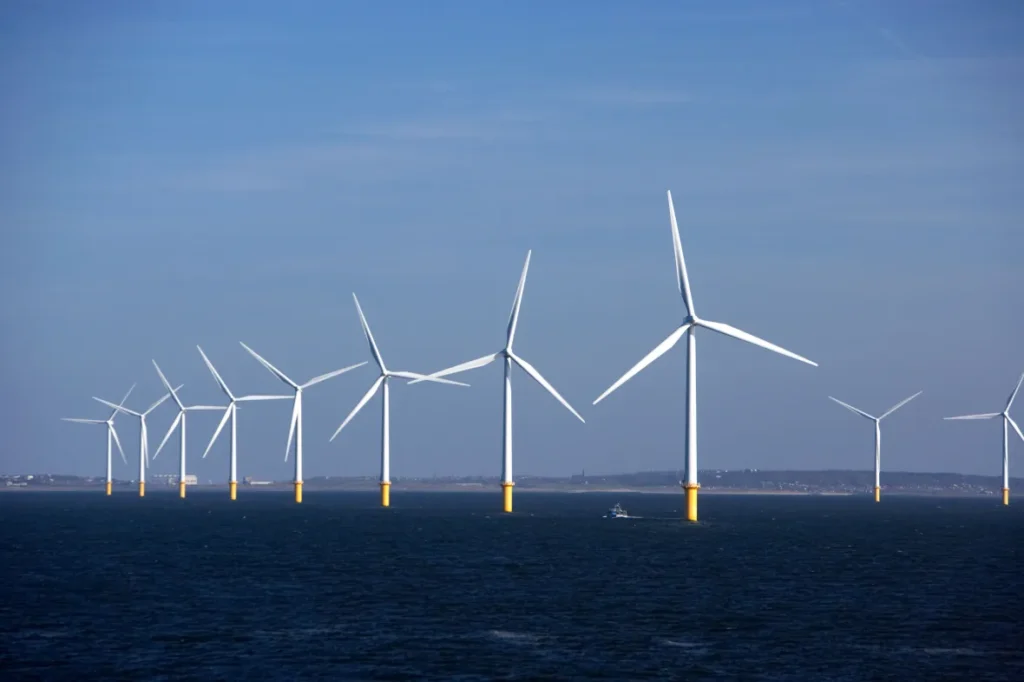
Behind the scenes, however, something far more consequential was taking place. Britain’s electricity system was quietly breaking records and signalling a profound shift in how the country generates power.
On November 11, the National Energy System Operator, which oversees the electricity network across England, Scotland and Wales, recorded a new peak for wind generation of 22,711 megawatts. At that moment, wind turbines were supplying enough electricity to power roughly three quarters of British homes.
That milestone did not last long. Just weeks later, on December 5, strong gusts driven by a deep low pressure system pushed wind output to a fresh high of 23,825 megawatts, enough to supply more than 23 million households.
The pace at which these records are being broken illustrates how quickly Britain’s energy system is changing. New analysis shows that this autumn was the greenest on record for the national electricity grid.
According to data from Ember, the energy think tank, the carbon intensity of electricity generation, meaning the amount of carbon dioxide emitted per unit of power produced, fell by 11 per cent compared with the same period last year. Measured against the five year average, emissions were down by 17 per cent.
Stormy weather played a role, but the scale of new renewable capacity was decisive. Two major offshore wind projects became fully operational this year, alongside six smaller onshore developments. Combined with four named storms since September, these additions helped push wind generation to almost three times the level recorded a decade ago.
The impact has been felt most sharply by fossil fuels. Coal was eliminated from Britain’s power mix last year, making the UK the first major economy to phase out the fuel entirely. Gas fired electricity generation has continued to decline, falling this autumn to its lowest level in more than ten years.
Frankie Mayo, a senior analyst at Ember, said wind generation had displaced gas as conditions improved after a subdued spring and summer. Wind speeds, she said, had increased significantly, allowing renewable energy to take a larger share of the system.
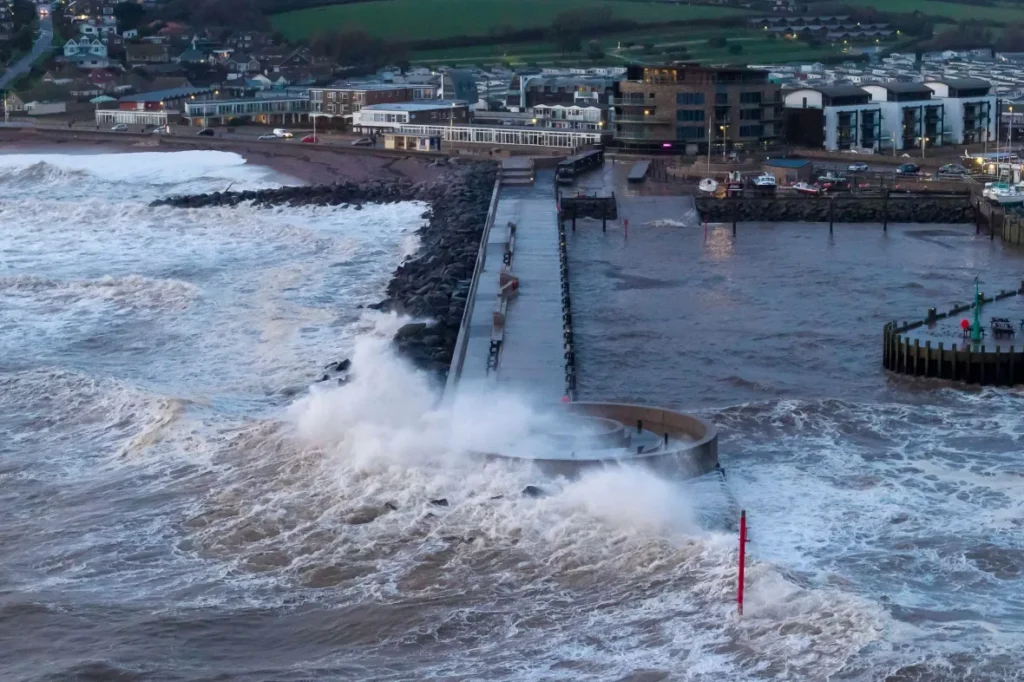
Gas generation in the first eleven months of 2025 did rise slightly, increasing by 5.3 terawatt hours from last year’s historic low, when Britain relied heavily on imports from continental Europe. Even so, that increase was outweighed by the 7.8 terawatt hour rise in wind and solar generation combined.
Solar power has also enjoyed a record year. Britain experienced its sunniest year on record, with an especially bright spring driving a surge in output. Solar generation rose by 30 per cent compared with last year and accounted for 6.3 per cent of total electricity supply.
These records are unlikely to stand for long. Since taking office, the energy secretary Ed Miliband has approved more than ten large scale solar farms. Further growth is expected once new regulations requiring solar panels on all new homes come into force.
Chris Stark, head of the government’s clean power mission, described onshore renewable technologies as one of the UK’s quiet successes. Costs continue to fall, he said, while deployment has expanded across the country, with solar dominating in England and onshore wind concentrated largely in Scotland.
The transformation comes as Britain marks a significant milestone. December 8 marked 25 years since the UK’s first offshore wind farm began operating off the coast of Blyth in Northumberland. Its two turbines, each 92 metres tall and located close to shore, were modest by today’s standards.
Now, thousands of offshore turbines dominate British waters, many taller than London’s Gherkin and installed far beyond the coastline. Offshore wind is expected to form the backbone of Britain’s future electricity system, with further expansion likely following the outcome of a government subsidy auction due next month.
By the time the next major anniversary of offshore wind arrives, today’s record figures may seem outdated, relics of a system already overtaken by cleaner and cheaper power.