
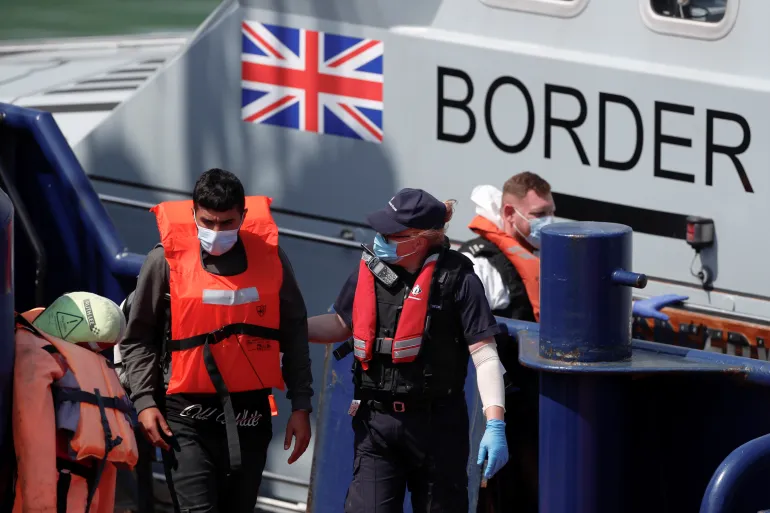
The Home Secretary said the proposed changes are necessary to protect what she described as the long term sustainability of a humane asylum system.
Under the plan, failed asylum seekers would be offered financial support of up to £10,000 per person, capped at four members of a family, if they agree to return voluntarily to their country of origin. The payments would be issued through pre paid cards.
The scheme, inspired by a similar programme in Denmark, has already been launched as a pilot involving 150 families. Those included in the programme were informed on Thursday and given seven days to decide whether to accept the offer or face forced removal from the UK.
Mahmood said the incentive scheme could save around £20 million in public funds, arguing that the cost is far lower than the estimated £158,000 the government spends each year supporting and accommodating a failed asylum seeker family.
The Home Office rejected claims that the payments could encourage more migrants to attempt to reach Britain, noting that many already pay smugglers large sums of money to make the journey.
Officials said the government could expand the scheme if it proves successful. Internal estimates suggest that applying the policy to approximately 700 Albanian families whose asylum claims have been rejected could potentially save about £110 million.
The wider immigration overhaul includes several other changes. These include stricter English language requirements for migrants seeking permanent settlement and proposals to make refugee status temporary, with reviews every 30 months.
The government also plans to remove the automatic requirement to financially support asylum seekers who become destitute if they already have the right to work, deliberately make themselves destitute or break the law.
The proposals have triggered strong reactions within the governing party.
Labour MP Tony Vaughan said around 100 colleagues had signed a private letter warning they may refuse to support some of the measures. That figure exceeds the number required to defeat government legislation in the House of Commons.
Several MPs have also voiced concerns in private discussions. Sarah Owen, chair of the Women and Equalities Select Committee, criticised the proposals and argued that they were neither fair nor sustainable.
Another Labour MP, Stella Creasy, warned that the reforms could leave refugees living in uncertainty about their long term future in the UK and could expose them to exploitation.
Abtisam Mohamed also criticised the policy, saying it does not reflect Labour’s values and warning that deterrence based approaches have historically failed.
However, some MPs support the proposals, arguing that decisive measures are required to restore public confidence in the government’s ability to control migration and manage the UK’s borders.
Mahmood said she believes the reforms will ultimately secure parliamentary backing. She argued that tackling immigration challenges is essential for maintaining public trust and managing pressure on public services such as housing and healthcare.
The policy has also drawn criticism from opposition figures. Zia Yusuf, head of policy for Reform UK, described the proposal as unfair to taxpayers and called for tougher enforcement measures.
Meanwhile, Chris Philp, the Conservative shadow home secretary, claimed that offering payments could encourage illegal migration rather than deter it.
Concerns have also been raised about the impact on children. Rachel de Souza, the Children’s Commissioner for England, warned that detention or forced removal could have lasting consequences for vulnerable young people and urged the government to ensure strong safeguards are in place.