
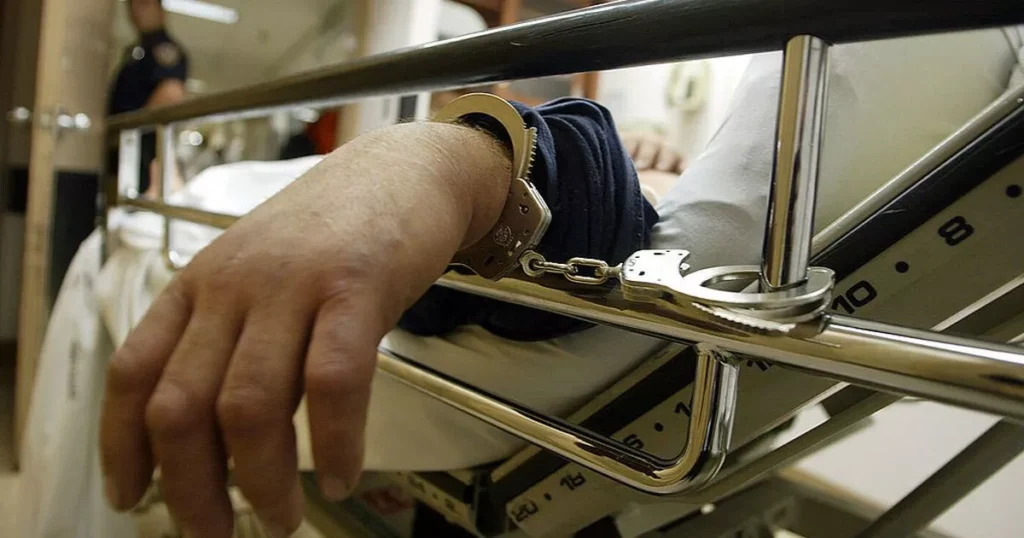
Killers who are sent to hospital rather than prison may no longer be able to claim Universal Credit under new government proposals aimed at closing what ministers describe as a “loophole” in the welfare system.
Currently, while prisoners are banned from receiving state benefits, offenders sentenced to psychiatric hospitals remain eligible. This can amount to over £800 a month, or thousands of pounds in taxpayer money over the course of a long sentence.
The move comes after campaigning by families of victims, including the Nottingham attacks, in which Valdo Calocane was sentenced to a hospital order for manslaughter instead of facing a murder trial. The families welcomed the proposed reforms, which would apply to offenders detained for serious violence and sexual offences, including rape, but not to individuals detained under mental health laws who have committed no crime.
Victims’ Families Respond
The parents of Grace O’Malley-Kumar, 19, who was killed alongside Barnaby Webber, 19, and Ian Coates, 65, said they were “delighted” that the government would examine extending the benefits ban to offenders in hospitals.
Dr Sanjoy Kumar and Dr Sinead O’Malley-Kumar, Grace’s parents, said:
“For us, the campaigning families, this is what decisive and bold departmental leadership looks like. Whilst we have lost our brave and beautiful daughter Grace, we now know that in her name good is being done for our country.”
Government and Parliamentary Action
Pat McFadden, Work and Pensions Secretary, confirmed the government will explore the “complexity and sensitivity” of the proposals and gather expert advice on removing Universal Credit for this group.
Prime Minister Sir Keir Starmer said:

“It cannot be right that offenders convicted of the most serious crimes continue to receive benefits at the expense of the taxpayer. These proposals will restore basic fairness and common sense to our social security system. I’m determined to stand up for victims, protect taxpayers, and ensure support goes to those who genuinely need it.”
The issue was also highlighted in the case of Gogoa Lois Tape, who strangled his girlfriend, Kennedi Westcarr-Sabaroche, 25, but was convicted of manslaughter and sentenced to a hospital order. Tape currently receives up to £400 per month in Universal Credit. His mother and uncle, Linda and Leon Westcarr, said the reform would correct a “clear injustice that has caused real harm for too long.”
Julian Hendy, founder of the Hundred Families charity, which supports families affected by mental health-related killings, described the payments as an “insult to victims,” noting that hospitalised offenders have no costs or need for welfare support.
McFadden added:
“It’s unfair to victims’ families and to taxpayers whose hard-earned cash ends up in the pockets of offenders. We don’t reward acts of violence. That’s why I’m acting to right the wrongs within our benefits system, so it supports people who genuinely need it, while delivering fairness to the taxpayer.”
The proposals mark a significant step towards ensuring that Universal Credit is only available to those who genuinely need it, while closing loopholes that allow serious offenders to benefit financially while hospitalised.