The church has been considering its stance on same-sex relationships for more than a decade. The process began in January 2012, when bishops commissioned a report on “human sexuality.” Fourteen years on, many remain deeply distressed by the protracted timeline, with questions left unresolved for nearly 17 years.
Background
After years of debate through initiatives such as shared conversations and Living in Love and Faith, bishops concluded in early 2023 that while the church would not permit same-sex marriages, priests could offer blessings to same-sex couples. These blessings were formally approved by the General Synod in February 2023.
Since then, bishops have been deliberating whether blessings could be offered as standalone ceremonies, rather than brief segments of regular Sunday services, and whether gay priests could marry in civil ceremonies.
Initial expectations were for recommendations to be presented at a synod meeting in 2025, with a potential final decision in February 2026. However, bishops confirmed in October 2025 that any further changes would require a lengthy legislative process, delaying outcomes until the next five-year synod term, with recommendations expected within the first two years, giving a formal deadline of November 2028.
Response and Reactions
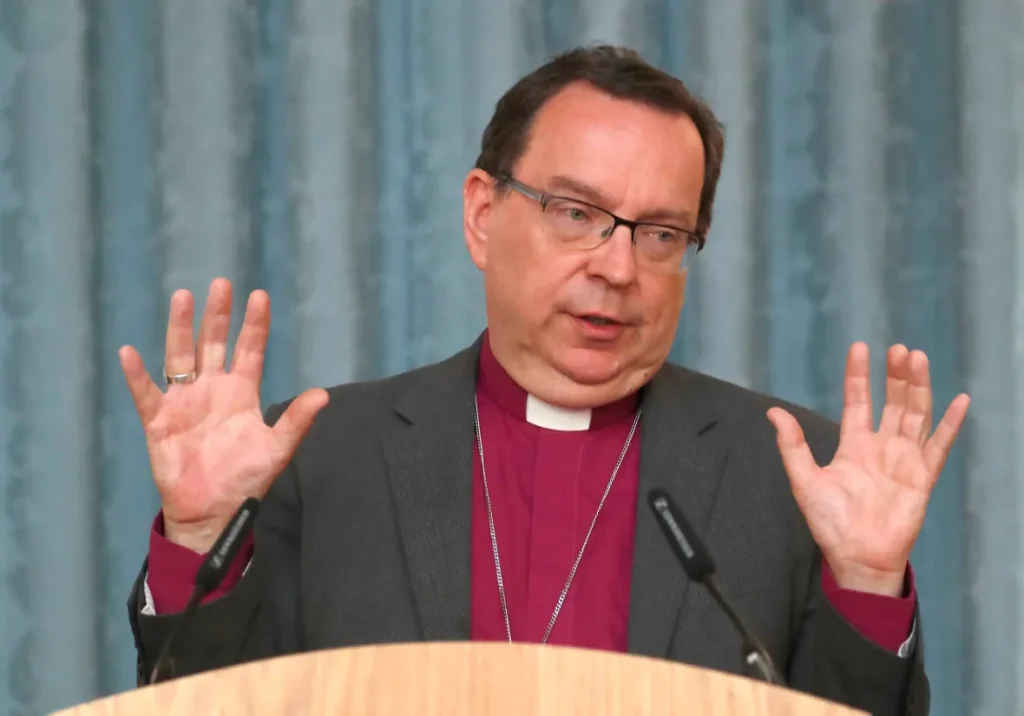
The Bishop of Truro, Rt Revd Philip Mounstephen, stated that the church will not create a system allowing parishes opposed to same-sex blessings to work exclusively with like-minded bishops. In a recent vote, 35 bishops supported this approach, with one against and four abstentions.
Charlie Bączyk-Bell, a gay priest, reacted strongly, saying:
“This is utterly disgusting. One bishop had the guts to vote against. Shame on you all, and may God have mercy on you.”
The Bishop of Chelmsford, Rt Revd Guli Francis-Dehqani, expressed regret over the slow progress, acknowledging the pain and disappointment felt by LGBTQI+ individuals and those hoping for greater advancement. She noted that while the church has taken some steps forward, including the public use of blessing prayers for same-sex couples, many feel the church has moved backwards.
Bishop Mounstephen added:
“I know too that we are not now where many would want us to be but I think the place we’re in now is a place of commitment to due and proper process: and that really matters.”
Archbishop of York, Most Revd Stephen Cottrell, emphasised that the ongoing deliberations were never intended as a contest with winners and losers, but acknowledged the process has caused confusion and hurt. He added:
“My prayer is that we can come together as those whose profound disagreement on some things is outweighed by our profound love for God and for each other on so many things.”
The Church of England’s slow-moving process underscores the ongoing tensions between tradition and progress on LGBTQ+ issues, leaving many clergy and faithful waiting years for clarity on same-sex blessings and wider rights within the church.