Housed in a Grade II listed Victorian building, the vault’s interior combines luxury and security. Wood paneled walls, a stone fireplace adorned with Christmas decorations and ceilings fitted with concealed security cameras create an elegant yet protected atmosphere. Footage is monitored live via four separate control points, including one in South Africa.
Access is highly restricted. Clients must pass through iris and fingerprint scanners and present a personal key. Even with proper credentials, entry requires two vault staff members, each holding separate keys. Night access is impossible, no matter the codes or credentials.
Inside, clients pass through two vault doors. The first weighs 3.5 tonnes and is a relic from the building’s Barclays Bank days. Beyond that is another checkpoint secured by bulletproof glass capable of withstanding AK47 rounds. Only after further identity verification can clients reach the safe deposit box rooms.
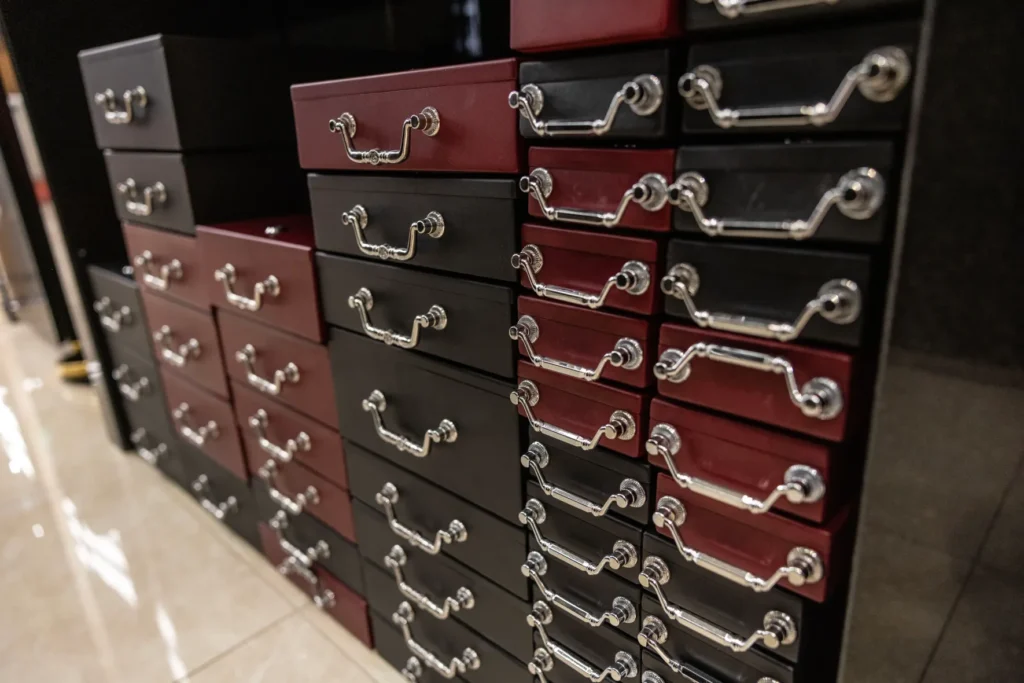
The deposit boxes themselves are sleek yet secure. The smallest, suitable for luxury watches, bitcoin USB sticks or collectible items, cost £1,000 per year. The largest, capable of housing artwork or Birkin handbags, cost up to £13,000 annually. Insurance is included, covering up to £100,000 for smaller boxes and £1 million for larger ones, with optional top ups for higher value items.
Social media influencer Isobel Lorna, who stores her designer handbags at IBV, described the experience as transformative. “It’s the first time in years my valuables have felt truly secure,” she said. “Even with the best home security and insurance, the anxiety was constant. Now I have peace of mind.”
The vaults, built by Swedish company Robur, are reinforced from floor to ceiling, with one foot thick steel walls added after the infamous 2015 Hatton Garden heist. Each room features flood detectors and a fire system that can remove oxygen if necessary. Clients can handle their valuables in a private central cubicle space outfitted with luxury Smythson stationery.
“Privacy and discretion are essential,” says managing director Sean Hoey. “We do not ask clients what they store, but illegal items are strictly prohibited. No drugs, stolen goods or wildlife parts.”
With demand rising, IBV plans to expand from 500 to 1,000 boxes next year. Seventy per cent of clients are UK based, with the rest international, including many who maintain boxes in London for safety even after leaving the country for tax reasons.
Hoey, who previously managed Harrods’ safe deposit services, emphasises the vault’s unmatched security. “I’ve worked with all the other facilities in London. None compare. Crime is rising, and our clients do not want to leave their watches, jewellery or gold at home.”
Client needs have evolved. While jewellery and property deeds were traditionally stored, today’s clients also secure designer handbags, bitcoin keys and gold bars. Law firms increasingly store sensitive documents here as well.
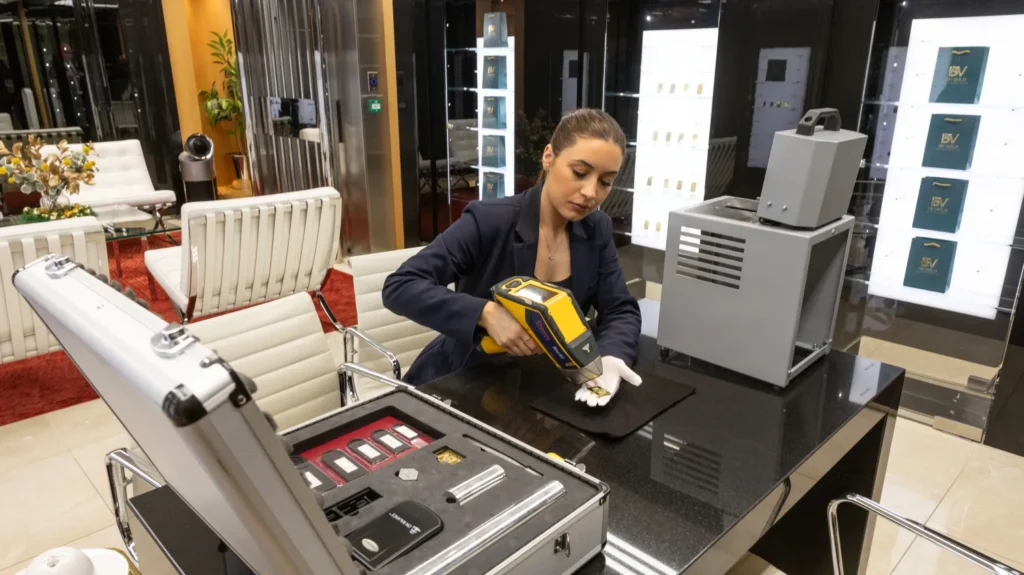
International demand is strong. “Clients from Russia, the Middle East and China view London as a safe haven,” explains Yuvana Singh, head of IBV’s gold division. Rising gold prices, up 53 per cent this year, have only increased interest. The vault even provides facilities to test gold purity and authenticity, allowing clients to store, buy and sell gold sourced from the Royal Mint.
With London’s elite seeking absolute security, IBV International Vaults has positioned itself as the ultimate refuge for the world’s most valuable possessions, combining discretion, luxury and state of the art protection.