
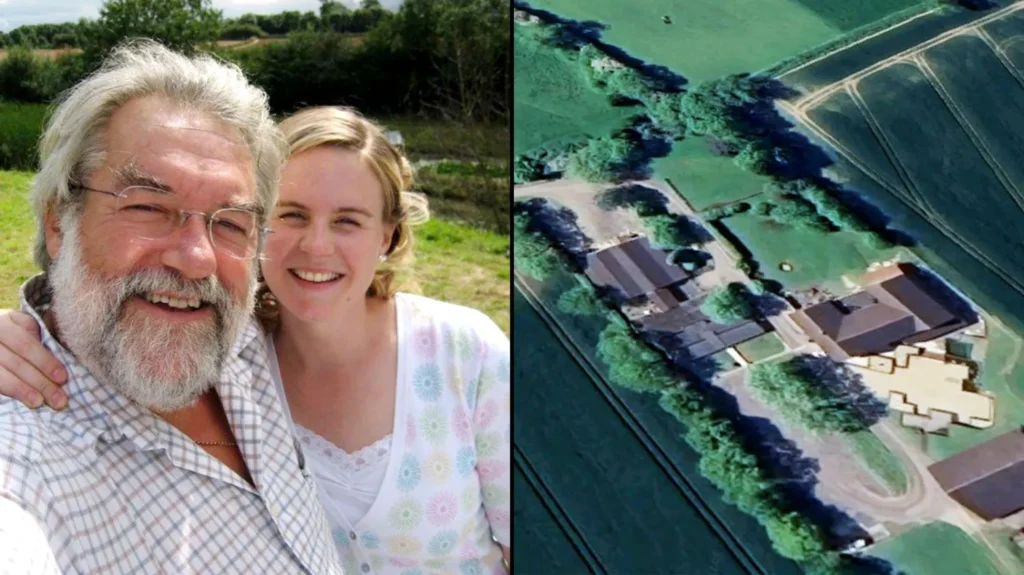
Graham Cheslyn-Curtis, owner of the veterinary medical supply company Millpledge, died in 2018. Alongside his will, he left a detailed letter of wishes expressing his desire for his partner’s children, Leah-Jane Styring, 47, and Nathan Smith, 49, to be mentored into senior leadership roles and eventually take over the company. Cheslyn-Curtis had treated both as his own children throughout his 30-year relationship with their mother, Suzanne Smith.
To reflect these wishes, he created a trust and appointed two of his closest advisers, Malcolm Taylor and Paddy Campbell, to guide and oversee the siblings while controlling payouts from the trust. Styring and Smith were brought into Millpledge as senior staff and later appointed as directors.
However, the relationship deteriorated sharply. The siblings became unhappy with the level of money being released to them, and tensions with the trustees escalated. Campbell accused them of damaging the business and labelled them “self-interested, entitled, complacent, acquisitive and greedy”. Both were eventually removed from their positions within the company.
Styring and Smith sued, arguing that the trustees had acted unfairly and had allowed personal hostility to influence decisions. High Court judge Andrew Holden agreed, ruling that the trustees’ attitudes risked undermining the proper administration of the trust.
“This is a case that has gone beyond mere friction or hostility,” the judge said. “The hostile views expressed about Leah and Nathan could affect the future running of the trust.”
The judge found that both trustees shared negative personal views about the siblings, noting that Taylor had supported Campbell’s remarks. He ruled that both men should be removed from their roles.
The court heard that Cheslyn-Curtis, who died of pancreatic cancer at the age of 69, had built his company into a £6.8 million operation and left an estate worth £8.2 million. His will established a “dynastic trust” for the benefit of his biological son, as well as Suzanne Smith and her two children.
A key point of conflict had been a cap placed by the trustees on “profit share” payments to directors, which limited payouts to 1.5 times base salary. During the trial, the siblings’ barrister, Paul Burton, argued that the trustees viewed them as “entitled, spoilt brats” and had deliberately tried to exclude them from benefiting from the trust. The judge accepted this, noting that Campbell’s assessment of their character had become deeply negative.
In a message before his death, Cheslyn-Curtis acknowledged concerns that his plans could be seen as an attempt to “rule from the grave”, but he expressed confidence in his advisers. Judge Holden noted the sadness of the breakdown: “What he wanted was a continuation of his life’s work by members of his family, supported by trusted advisers. It is deeply regrettable that this has not been fulfilled.”