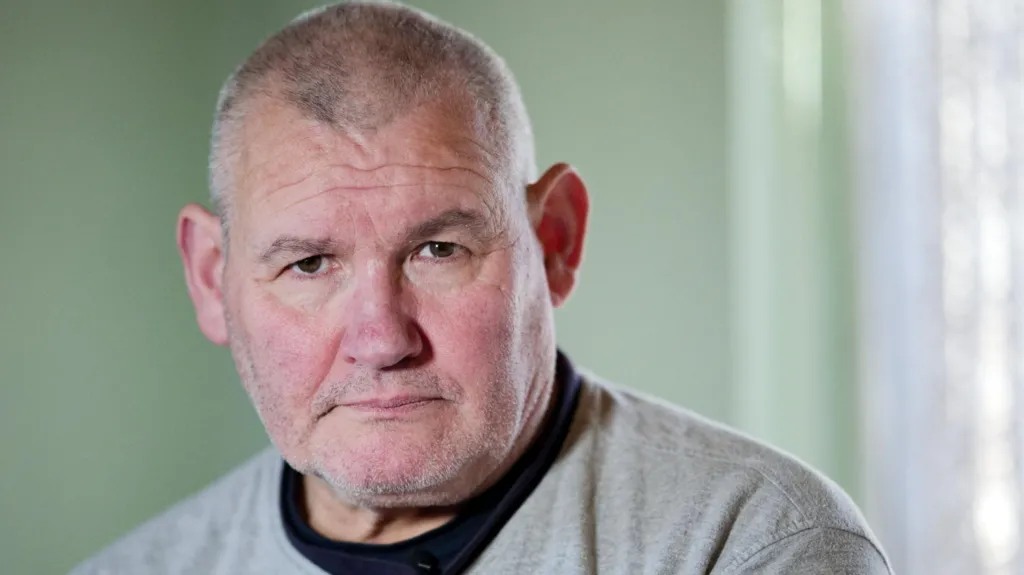
“I am waiting for the bailiff to knock on the door, take my keys and kick me out,” says Jose Da Costa Diogo, one of thousands of people told this year that their homes will be repossessed.
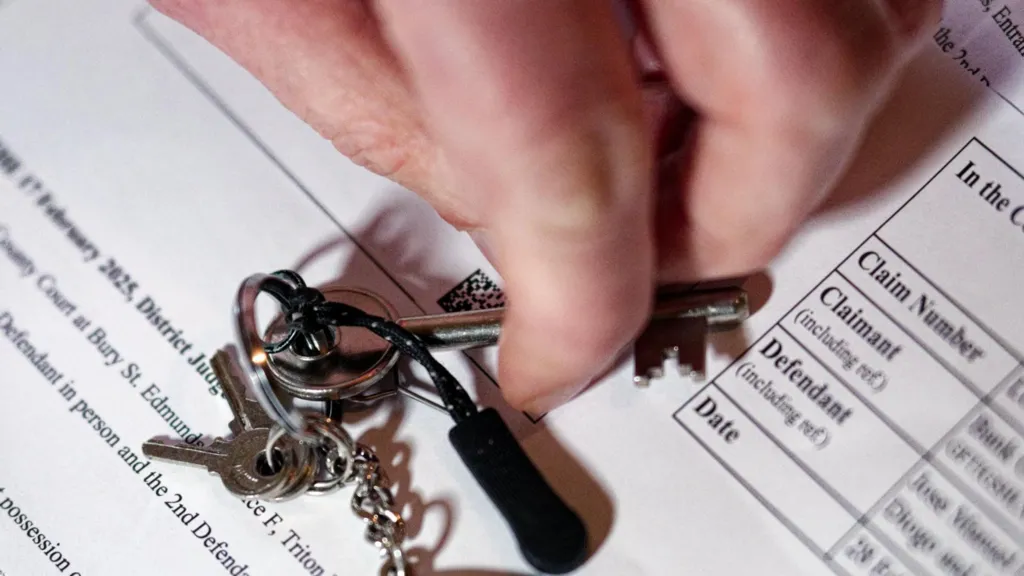
The sixty five year old discovered he would lose his home in Thetford, Norfolk, during a brief ten minute county court hearing earlier in the year.
He and his former wife had taken out an interest only mortgage on the three bedroom property more than two decades before, hoping they would eventually save enough to pay off the capital. But when the marriage collapsed and his ex wife returned to Brazil in 2015, Mr Da Costa Diogo was left unable to repay the eighty thousand pounds still outstanding.
Because his former wife remained on the mortgage documents and the property deeds, he was also unable to sell the house to clear the debt.
“I tried to do the right thing and carried on paying all the bills,” he said. “After twenty five years, I have nothing to show, but I still have to carry on living. I am going to be homeless.”
Court figures show that the number of mortgage repossession orders in England and Wales reached ten thousand eight hundred and fifty three in the 2024 to 2025 period, the highest in five years.
Experts say the rise is linked to interest rate increases and the general rise in the cost of living.
Mr Da Costa Diogo has now registered as homeless with Breckland Council.
He is far from alone.
The BBC asked every English council with housing responsibilities how many people had presented as homeless due to a mortgage repossession. Among the two hundred and forty councils providing comparable data, the number doubled from one thousand five hundred and seventeen in 2022 to 2023, to two thousand three hundred and seventy in 2023 to 2024. It rose again to three thousand four hundred and six in the most recent year.
Local government representatives say rehoming those affected by repossessions is placing increasing strain on council resources.
Tom Hunt, who chairs the Local Government Association Inclusive Growth Board, said: “As more and more people turn to their council for help, local authorities are having to stretch budgets further. The temporary accommodation crisis facing councils is only worsening.”
Lucy Davies witnesses the devastation caused by repossessions every day. A housing law advisor at the Suffolk Legal Centre, she volunteers her expertise at courts in Suffolk and Essex.
“I see the sheer number of people that this is affecting,” she said. “People get into difficulties largely through no fault of their own. Often there are mental health, employment or family issues and things can quickly spiral out of control.”
When the BBC joined her for a day at Ipswich County Court, where she supports the Ipswich County Court Advice and Representation Service, none of the five people facing repossession cases turned up. She said this was often the result of shame, despair and the belief that losing their home was inevitable.
“It is frightening coming to court, but it does not have to be,” she said. She urged people to seek advice early, adding that the cases she now sees are becoming more entrenched and more serious. Many people also struggle to access housing legal aid.
Paul Gorton, of The Law Society housing law committee, agreed. He said a historic lack of investment in legal aid had left fewer firms able to provide housing advice.
“Many people are too well off to be eligible for legal aid but cannot afford to pay for legal advice themselves,” he said. “We have both legal aid provider deserts and restrictive eligibility criteria, leaving many people stuck in limbo.”
A Ministry of Justice spokesperson said the department had recently announced the first major funding increase for housing legal aid in three decades, with a twenty four percent rise. “This investment will help ensure effective access to justice for some of the most vulnerable in our society, while supporting a more stable and sustainable legal aid sector,” the spokesperson said.
Seeking to repossess a property is always a last resort for lenders, said Karina Hutchins, a principal in the mortgage policy team at UK Finance. She said that while repossessions had increased slightly, levels remain historically low.
“Repossessions are really uncommon,” she said. In the first quarter of 2025, around two thousand homes were repossessed compared with thirteen thousand in the same period of 2009 during the financial crash.
She said early contact with lenders is vital, as support options include reduced payments, budgeting tools and referrals to debt charities.
Henry Sabati McRae, who lives in Croydon, south London, has so far avoided repossession. A software developer, his financial difficulties followed the death of a brother in 2020 and his mother in October 2023. He has been out of work since October 2024 and despite applying for hundreds of jobs he has not secured a new contract.
Savings quickly ran out, he said. His arrears eventually reached thirteen thousand pounds and his bank warned it would take action unless the amount was reduced below eight thousand pounds.
“The most important thing for me was keeping the roof over my head,” he said. To survive, he sold possessions online and borrowed money from a friend. He described the experience as “humiliating”, saying his instinct had been to “draw the curtains shut”. Realising others were in the same position helped him begin to plan a way forward.
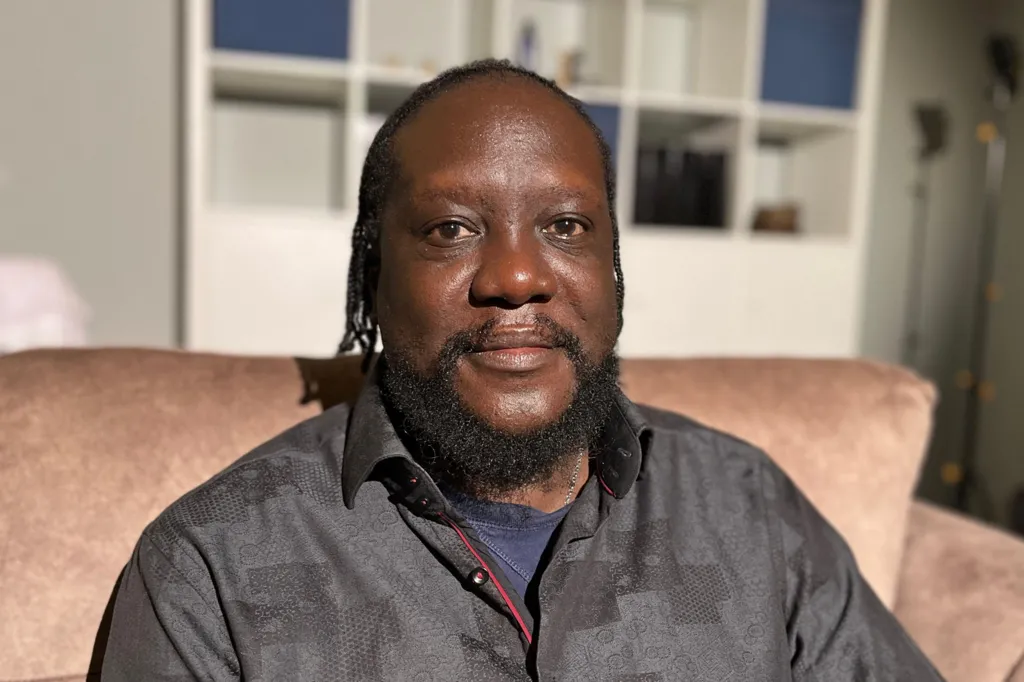
Businessman Mike Williams, from Caterham in Surrey, has also avoided repossession. He took on the mortgage of his self build home after separating from his wife. In three years, repayments on the interest only loan have tripled, leaving him with little disposable income. In court he renegotiated a repayment plan which will add an extra twenty percent to his monthly payments. When the mortgage ends in five years, he intends to sell the two bedroom house he and his wife built from scratch.
“It has a great deal of sentimental value, so it is heart wrenching,” he said.
For Mr Da Costa Diogo, the outcome was final. His property has been repossessed. In the same month, a similar three bedroom house in his Thetford street was on the market for one hundred and sixty thousand pounds, almost double what he owed.
Hours after losing his home, he was placed in emergency accommodation, a small ground floor studio in north Suffolk.
“I left my house with one suitcase and a bag of essentials and told the council I am homeless,” he said. “It is a roof over my head. I am trying to keep things simple because there is no point in complicating things. I am alive and I carry on.”