
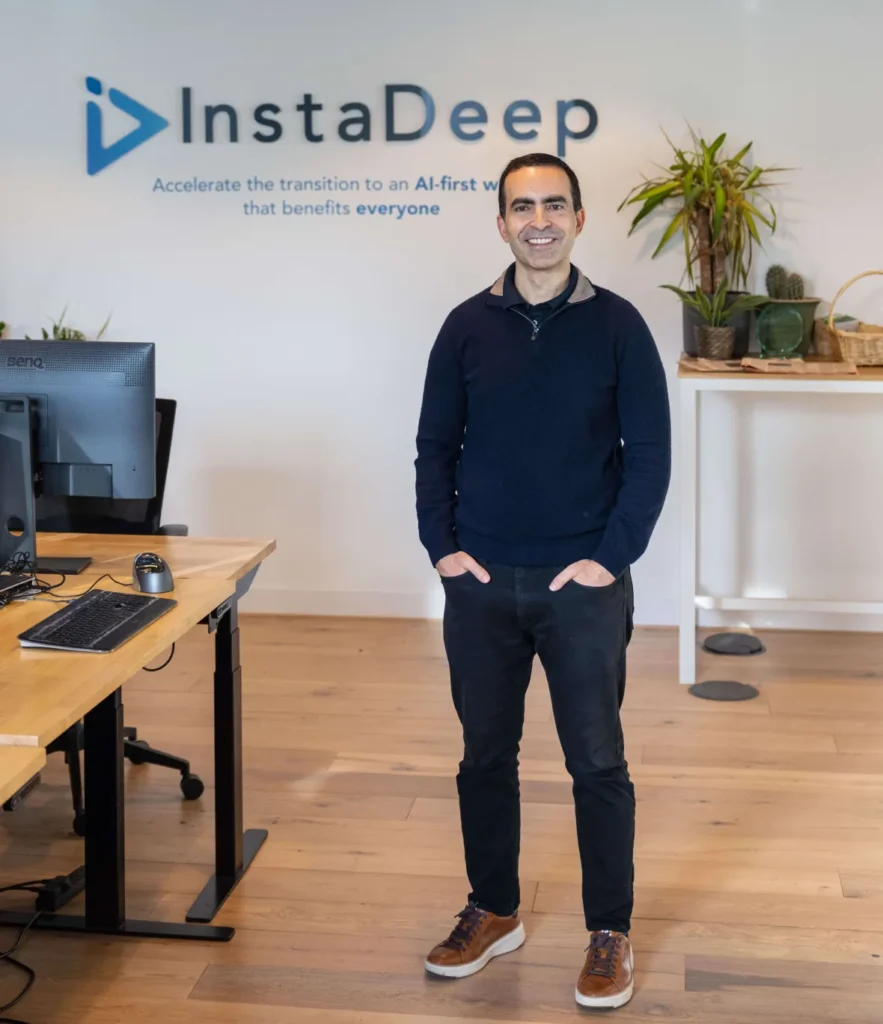
Karim Beguir, the cofounder and chief executive of InstaDeep, the London registered AI firm acquired by BioNTech for up to £562 million two years ago, changed his residency from the UK at the end of July, filings at Companies House indicate.
Beguir, a former investment banker who was born in France, raised in Tunisia and became a British national in 2013, founded InstaDeep in 2015 from a WeWork office in Paddington, London. The sale to BioNTech, the German biotechnology company behind the Pfizer Covid vaccine, is understood to have positioned him to potentially earn more than £100 million in cash and shares.
The latest filing, submitted to Companies House on Tuesday, lists Switzerland as the country where Beguir is “usually resident”.
InstaDeep and Beguir were approached for comment regarding the move and any tax implications. A spokeswoman for InstaDeep said: “We do not comment on personal and family matters.”
In a 2023 interview with The Times, shortly after the BioNTech acquisition, Beguir praised the UK’s tech ecosystem and government support for artificial intelligence innovation. “The UK is a great home for an AI start up because you have the right mix of a laissez faire atmosphere but also incentives for investors and a natural hub for talents,” he said at the time.

However, Beguir’s relocation follows a series of high profile moves by prominent UK based entrepreneurs amid concern about potential tax reforms. Nik Storonsky, the billionaire cofounder of Revolut, changed his residency to the United Arab Emirates in October last year, while several start up founders and investors have warned the Treasury against implementing an “exit tax” on wealthy emigrants.
Herman Narula, chief executive of Improbable, recently criticised the proposal, calling it “irresponsible” in comments published by The Telegraph.
Anthony Whatling, managing director at Alvarez and Marsal Tax, said: “Uncertainty is slowly becoming the UK’s biggest tax, it raises nothing and costs a lot. Constant speculation around new levies, from exit taxes to non dom changes, is driving anxiety among internationally mobile individuals and entrepreneurs.”
The Treasury maintains that the UK remains an attractive place to live and invest, with its main capital gains tax rate still lower than any other G7 European nation.