
A Sunday Times investigation reveals that York is one of many victims of organised gangs exploiting UK tenancy laws. Their operations involve identity theft, forged documents, and the use of residential flats for prostitution and possibly human trafficking.
York and his wife had rented out their two bedroom flat through Marsh & Parsons in March 2024. The prospective tenants, a young Eastern European couple, had passed all standard checks. Yet after moving in, they never paid rent. When York served an eviction notice, it was ignored, and each time he visited, he found different women occupying the flat. Neighbours reported late night visitors and unfamiliar men roaming the corridors. “In my neighbour’s view, it was a brothel,” York says.
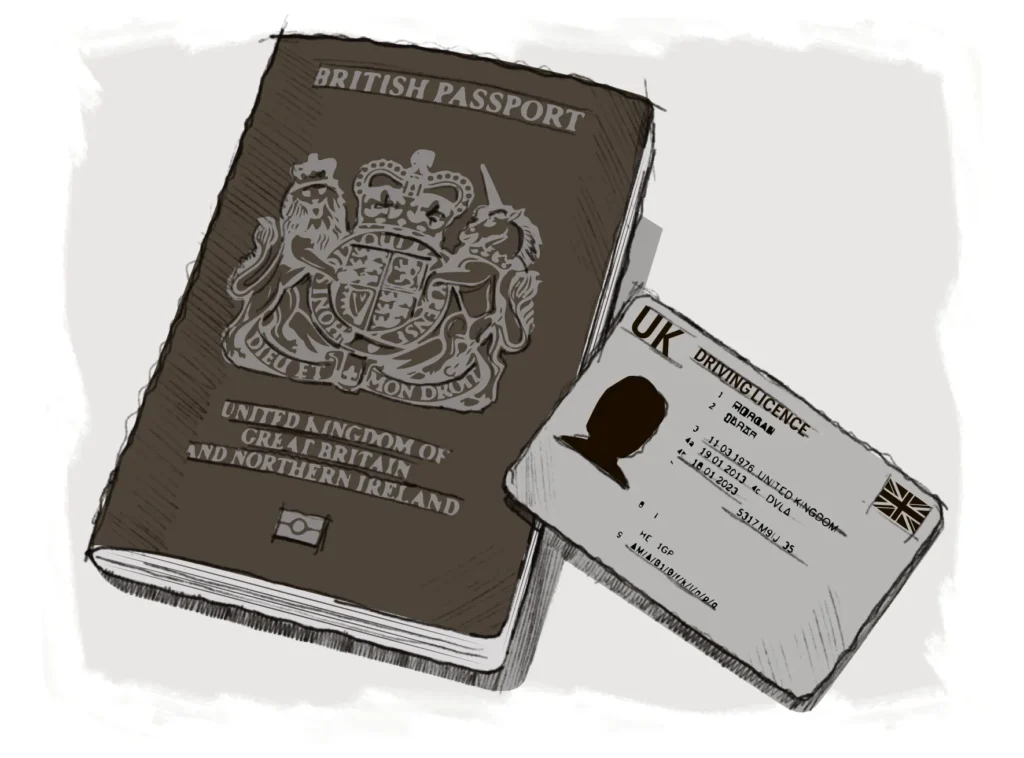
The eviction process dragged on for fourteen months. During that time, York discovered his flat listed on another property site, Scraye, under fake ownership details, including a forged passport using his wife’s personal data. The gang had stolen her information from public databases such as Companies House and the Land Registry.
When bailiffs finally entered the property in July 2025, they found evidence of sex work, along with keys and mail linked to more than a dozen other London properties, suggesting a vast fraud network. Victims included professionals whose identities had been hijacked to open bank accounts, utility contracts, and credit lines.
Even after reclaiming his flat, York’s ordeal continued. The property was repeatedly broken into and reoccupied within days. Police responses were slow and inconsistent, often classifying the intrusions as civil matters. “They have always been one step ahead,” York says.
Another victim, Juliet (not her real name), faced a similar nightmare. After buying and renovating a Chelsea flat in 2024, she let it through the same agency. Her tenants, also part of the gang, never paid rent and allegedly used the property for prostitution. Despite court orders, they broke back in after being evicted. Police told her it was a contractual issue, not a crime. “I still do not have the keys to my property,” she says.

Both landlords say the system failed them. Slow courts, poor verification procedures, and limited police understanding of tenancy fraud have allowed such gangs to thrive. Between legal fees, lost rent, and security costs, York estimates his losses exceed £60,000.
The Metropolitan Police confirmed they are investigating fraud linked to rental properties in Kensington and Chelsea, saying further lines of inquiry are being pursued. Marsh & Parsons declined to comment on individual cases but stated that it operates in line with industry regulations and legislative requirements.