
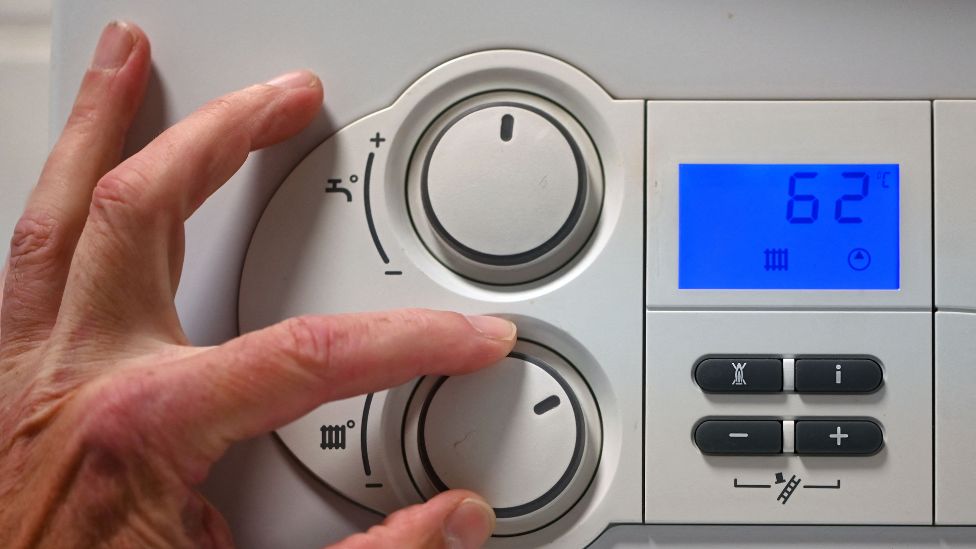
The energy supplier revealed that more than 1.2 million customers required engineer visits last winter to fix broken boilers and restore heating and hot water. While some households turn their systems on during the first cold snap in September, most wait until the end of October typically when temperatures fall below 9C for four days in a row.
Sunny Solanky, a British Gas service and repair engineer, said many issues arise after boilers have been unused for months.
“Now that summer is behind us, many people will be thinking about turning their heating back on for the first time since last winter and that’s often when unwanted issues can appear,” he said.
“Keeping your boiler in good working order is key to making sure everything runs smoothly, and a few simple changes around the home can also make a real difference to comfort and energy use.”
The company has shared practical steps to help households cut costs and prevent breakdowns this winter. Homeowners are advised to bleed radiators if the tops feel cooler than the bottoms, which suggests trapped air.
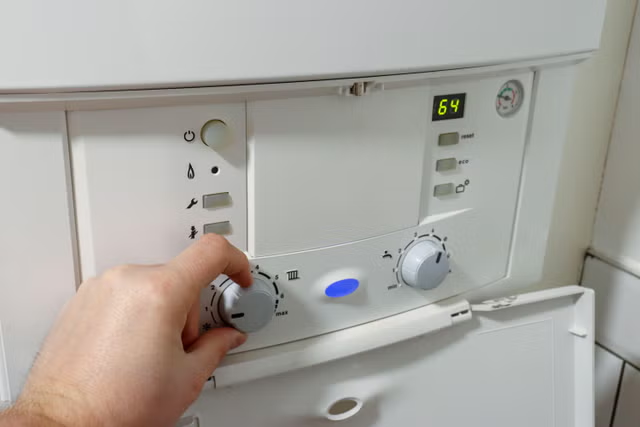
Other tips include:
- Checking for draughts and sealing gaps around windows and doors with foam strips, draught excluders, or letterbox brushes.
- Avoiding placing heavy furniture in front of radiators.
- Using thicker curtains and rugs to retain heat.
- Only heating rooms in regular use.
- Insulating pipes to prevent them from freezing and bursting.
- Keeping the thermostat between 18C and 21C for comfort and efficiency. Lowering it by just one degree could save up to £75 a year on heating bills.
- Setting timers so heating switches on 15 minutes before waking up and off 30 minutes before bedtime.
With energy prices and cold weather both on the horizon, British Gas says a few simple measures can make a big difference in keeping homes warm and running efficiently through the winter months.