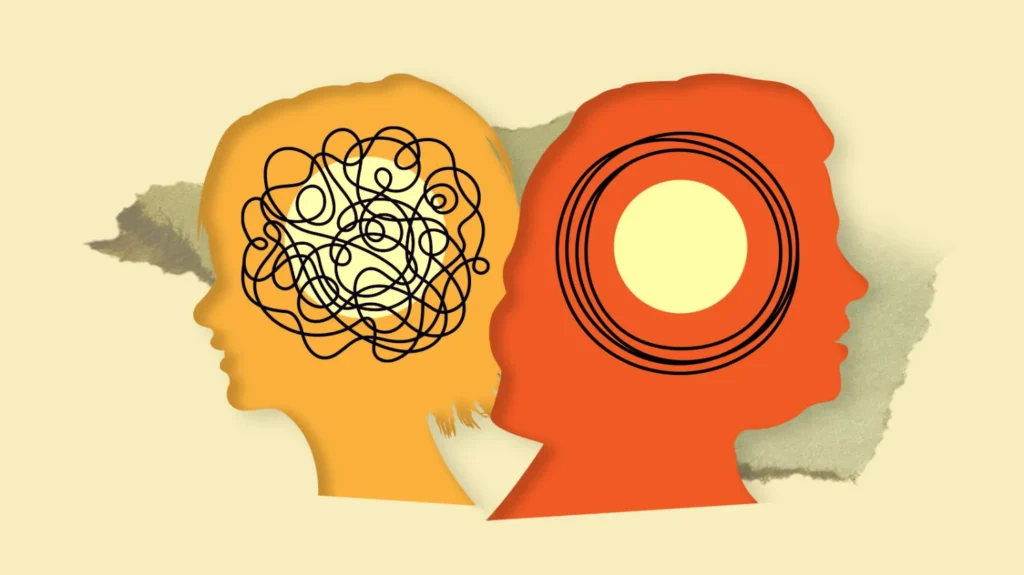
A paper in the journal Intelligence has produced a new measure, the cognitive-personality functioning index (CPFI) which combines intelligence, judgment and personality traits across the lifespan. The findings suggest that overall cognitive and personality functioning reaches its peak between the ages of 55 and 60.
The study found that while fluid intelligence (reasoning, memory and processing speed) peaks in the early twenties and declines thereafter, crystallised intelligence (knowledge and experience) continues to grow for decades. Traits such as conscientiousness and emotional stability also strengthen with age, while moral reasoning and financial literacy mature well into later life.
Not everything improves: skills like cognitive flexibility and empathy tend to fade, and the appetite for abstract problem-solving declines. Yet, overall, the gains outweigh the losses, making the late fifties a “sweet spot” for wisdom and balanced judgment.
Dr Gilles Gignac of the University of Western Australia, who led the study, said:
“The mix of accumulated knowledge, judgment and life experience is what shifts the overall peak of human functioning into the late fifties.”
The research carries implications for leadership. Britain’s most prominent politicians Sir Keir Starmer, 63, and Nigel Farage, 61 are just beyond the suggested optimal window, while across the Atlantic, Donald Trump, 79, sits well outside it.
History also offers examples of late-blooming brilliance: Queen Elizabeth I was 54 at the Armada’s defeat; Charles Darwin published On the Origin of Species at 50; Immanuel Kant released Critique of Pure Reason at 57; Beethoven composed his Ninth Symphony in his mid-fifties; and Hannah Arendt wrote On Revolution aged 57.
The conclusion? Middle age may creak, but it also thinks and perhaps better than at any other stage of life.