

Centenarian Numbers Hit New Highs
As of mid 2024, there were 15,330 centenarians in England and Wales. This marks a 4 percent increase from 14,800 in 2023 and more than double the 7,630 recorded in 2004. In just the past five years, the number has risen by 38 percent, underlining the rapid growth in extreme longevity.
Experts attribute much of this increase to a post World War One birth surge around 1918, which drove centenarian numbers higher in 2020 and 2021. While births declined in the early 1920s, decades of medical progress, improved living standards and better public health continue to push numbers upward.
Narrowing Gender Gap Among Centenarians
Women still significantly outnumber men in the 100 plus age group, with 12,500 females compared to 2,830 males, or roughly 4.4 women for every man. However, this is the narrowest gender gap since records began in 2002. The number of male centenarians has increased by 55 percent over the past decade, compared to a 17 percent rise among females. This shift has important implications for care providers and future planning.
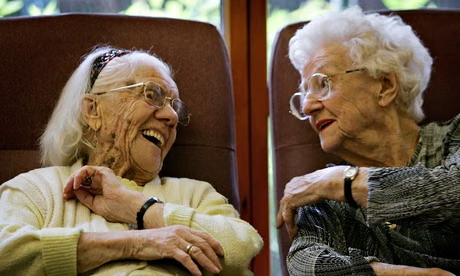
Growing Number of Nonagenarians
The broader group of residents aged 90 and above also reached new highs, with 563,610 individuals recorded in 2024. This represents a 2 percent annual increase, a 13 percent jump since 2014, and a 53 percent rise since 2004.
Although women remain the majority 373,910 compared to 189,700 men , the female to male ratio has narrowed from 3.1 to 1 in 2004 to 2 to 1 in 2024, suggesting significant progress in male longevity.
Care Sector Faces Shifting Realities
Stephen Lowe, Communications Director at Just Group, highlighted the growing challenges:
“Nearly 12,000 more people aged 90 and above joined the population in 2024, taking the total to 563,610. Men are now representing one in two within this age group, up from one in three twenty years ago.
“There were 15,330 people aged over 100, of which nearly 77 percent were women. However, male centenarians have tripled to 2,830 in the last twenty years, compared to a near doubling among women to 12,500.”
He also stressed the urgent need for government action to address the rising demand for elderly care:
“The need for reform in later life social care has been recognised for years, but progress has been slow. Planned reforms have been delayed or abandoned, and the latest government appointed commission will not publish recommendations until 2028. In the meantime, it is families and care providers who are bearing the financial and emotional burden.”