Middle-class cocaine users in Britain have been warned that their drug habits may be inadvertently funding terrorism.
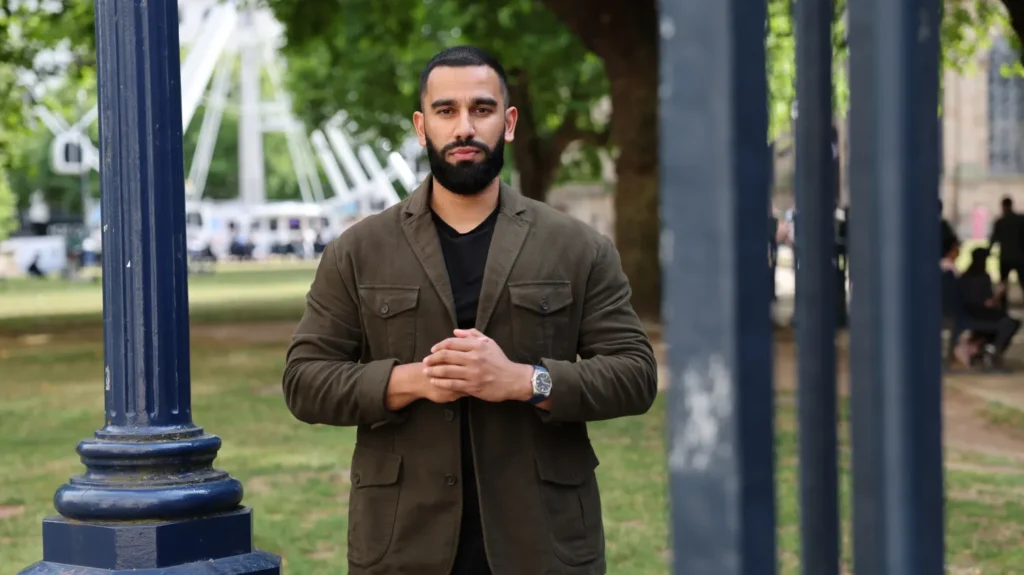
Mohammed Rahman, a researcher studying connections between organised crime and terrorism in the UK, says class A drugs represent a “big cash cow” that provides terrorists with the revenue needed to plan mass-casualty attacks.
Rahman, who has received funding from the British Academy to research the so-called crime-terror nexus, highlights that criminals and extremists often rely on one another through shared finances and networks. This includes lone-actor extremists as well as loosely organised groups. He cited the Manchester Arena attack in 2017, where 22 people were killed, as an example of how terrorist operations can be funded through illicit activities. The bomber, Salman Abedi, reportedly used money earned from selling counterfeit trainers online to purchase materials for the attack.
High demand for class A drugs in the UK, particularly cocaine, provides an accessible route for terrorists to finance their activities. Rahman told The Times:
“There is a marked overlap between drug-dealing and terrorist financing because terrorists ultimately need money to commit mass-casualty attacks. The big cash cow and revenue generator for terrorist groups is class A drugs, including cocaine.”
According to the Office for National Statistics (ONS), about 3 per cent of adults use class A drugs, rising to 5.5 per cent among 16 to 24-year-olds. Cocaine is the most widely used class A drug, taken by 2 per cent of adults last year. Prices vary by strength, quality, and location, with a gram costing between £50 and £100.
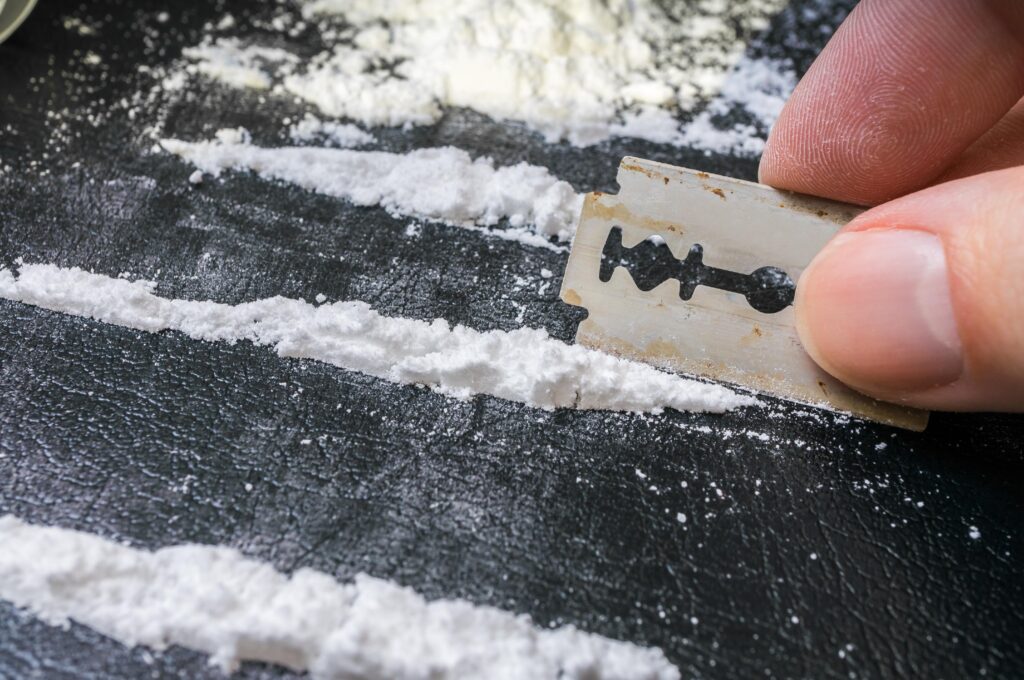
Border Force has reported record seizures of class A drugs, reflecting the high-risk strategies of criminal gangs. Last year, 28 tonnes of class A drugs, including cocaine and heroin, were seized, a 62 per cent increase from the previous year and nine times higher than a decade ago. Gangs factor confiscations into their business models.
Middle-class consumers are driving much of the demand for cocaine. ONS data shows that 4 per cent of people earning over £52,000 used a class A drug in the past year. Those on lower incomes are more likely to consume class B and C drugs, with cannabis being the most popular among those earning under £10,400 annually.
Rahman plans to provide Whitehall and local authorities with recommendations to disrupt organised crime networks and limit terrorist funding. He aims to develop an online tool to track criminal patterns linked to terrorism, which will be freely available to the public and law enforcement.
“This project is about strengthening the work of counterterror police, organised crime units and the National Crime Agency by highlighting the weak spots where criminals and extremists connect. By doing this we can help authorities disrupt networks earlier. It’s about giving frontline agencies knowledge they can act on. The research will expose how criminals and extremists lean on one another, whether through finance, shared networks or blurred identities. We expect to see everything from lone actors to flexible, loosely organised groups. These insights show just how fluid and connected these worlds have become,” Rahman explained.