
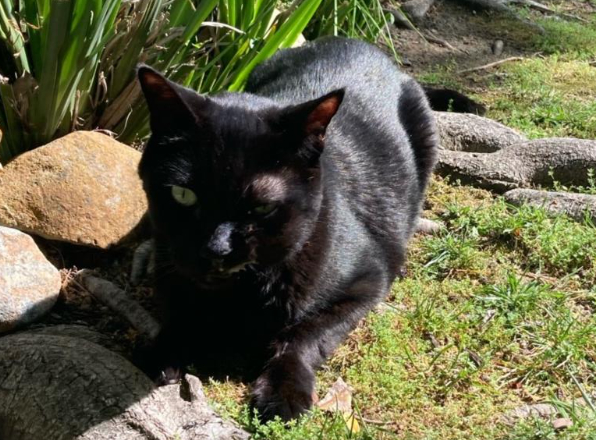
Thanks to a pioneering medical trial, Jak survived for more than eight months, celebrated one last Christmas with his owners, and helped scientists make an important discovery, cats may be more effective than lab mice for testing new cancer treatments.
Jak was one of 20 cats that took part in the first study of a therapy targeting STAT3, a protein once considered “undruggable” but linked to many human cancers. STAT3 is a transcription factor, a protein that controls which genes are switched on or off by attaching to DNA.
The new therapy works in two ways. It blocks STAT3’s cancer-promoting activity and boosts PD1, a protein that triggers the immune system to attack tumours.
Breakthrough Results from the Trial
Of the 20 cats enrolled, the treatment stabilised or partially shrank tumours in seven cases around 35 per cent of participants. Most of the cats experienced minimal side effects, with only mild anaemia reported.
For the cats that responded, researchers observed a stronger immune response, including increased levels of PD1 in their tumours and improved blood immune markers. On average, these cats survived five months after treatment. Typically, cats with this type of cancer survive only two to three months.

Even more importantly, these findings could lead to advances in human cancer treatment. Similar cancers in humans often resist existing therapies, but the early success of this study has encouraged researchers to push towards wider clinical testing.
Preparing for Human Clinical Trials
The research team is now working with a biotechnology company to prepare for human trials. Dr Daniel Johnson, senior author of the study published in Cancer Cell and a scientist at the University of California, San Francisco, explained:
“This study shows two key findings. First, it proves that it is possible to target a transcription factor like STAT3, which has been extremely difficult in the past. Second, it highlights that clinical trials in pets can offer more reliable insights into human disease than traditional tests in mouse models.”
Cats naturally develop cancers in real-world environments, sharing similar lifestyles and exposures to pathogens with their owners. This makes them better models for testing treatments compared to lab mice, whose tumours are artificially induced and less diverse.
Jak’s Journey and Final Christmas
Jak’s owner, Tina Thomas, recalled the emotional moment she learned about his diagnosis and why she chose the clinical trial:
“We just wanted more time with him. When I heard about the trial, I knew I wanted him to be part of it,” she said.
Jak underwent weekly treatments for a month, during which his symptoms, including a watery eye improved significantly. He ultimately lived more than eight months after his diagnosis, giving his family extra time together.
“It was meaningful to us because he was here in our lives,” Tina said. “Jak got to spend one more Christmas with us, and he loved our Christmas tree. He was worth every bit of the effort.”
This groundbreaking research not only gave Jak’s family precious extra months but also opens the door to potential breakthroughs in cancer treatment for both pets and humans.