
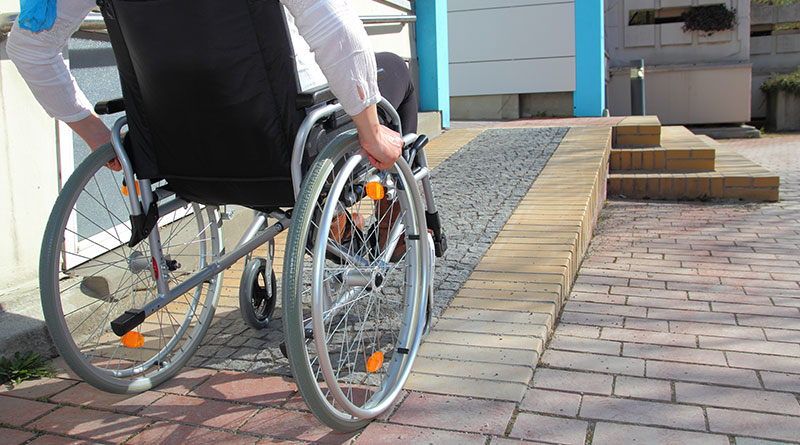
The analysis warns that the government’s failure to implement higher minimum building standards has deepened the country’s accessible housing crisis, leaving millions struggling to live safely and independently.
Three Years of Delays on Promised Reforms
29 July marked the third anniversary of the government’s pledge to make step-free access and other accessibility features a minimum requirement for all new-build homes.
The plans followed a large-scale consultation in 2021, highlighting the urgent need to future-proof homes for an ageing population and rising numbers of Disabled people. However, the second consultation required to finalise these changes has never been launched.
In the three years since the announcement:
- Only 112,000 new accessible homes have been built.
- Based on industry averages, three out of four new homes fail to meet basic accessibility standards.
- More than 375,000 properties built since 2021 are unsuitable for people with disabilities or changing mobility needs.
Widening Accessibility Gap
The UK faces a growing housing accessibility shortfall:
- 12 million people have accessibility needs but lack suitable housing.
- The accessibility gap has widened by over 2 million people in the last decade.
- Without urgent reform, this gap is expected to grow further as the population ages.
Polling by the Centre for Ageing Better reveals widespread concern:
- 66% of people say they would struggle to move around their home if they developed a serious illness or injury.
- 77% believe all new homes should be built to a standard that supports independent living.
Calls for Action on Accessible Housing
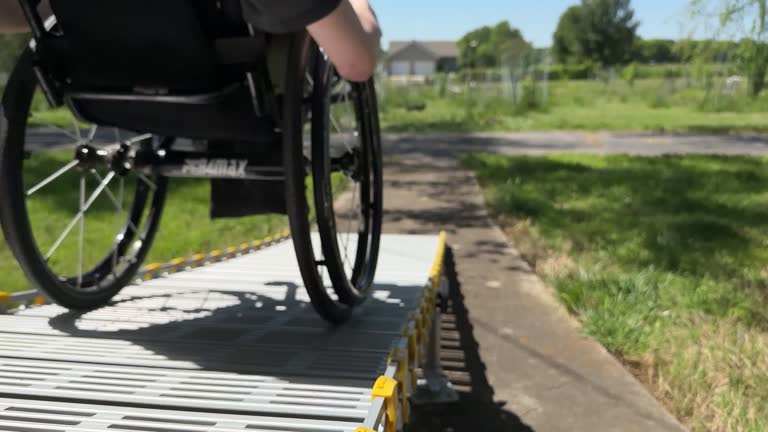
The Centre for Ageing Better and Habinteg are urging the government to raise building regulations to the M4(2) standard, ensuring step-free access and adaptable features in all new homes.
Millie Brown, Deputy Director for Homes at the Centre for Ageing Better, said:
“We welcome the government’s ambition to build 1.5 million new homes, but they must be accessible and adaptable. The gap between demand and supply is growing rapidly, and action is needed now to avoid locking millions out of safe and independent living.”
Christina McGill, Director of Social Impact and External Affairs at Habinteg, added:
“Accessible homes are essential for reducing NHS costs, supporting Disabled people, and allowing older residents to live independently. Yet a year into this government’s term, we’ve heard little about plans to raise minimum standards. Every month of delay means thousands of new homes are being built that fail to meet the nation’s needs.”
Why Accessible Homes Matter
Research shows that raising minimum building standards would deliver significant social and economic benefits:
- Greater independence for older and Disabled people
- Reduced NHS spending by preventing injuries and falls
- Lower social care costs due to improved self-sufficiency
- Better mental health and wellbeing
- Long-term cost savings by avoiding expensive retrofits
Without urgent reforms, campaigners warn that millions will continue living in unsuitable homes, fuelling pressure on the NHS and social care services.