
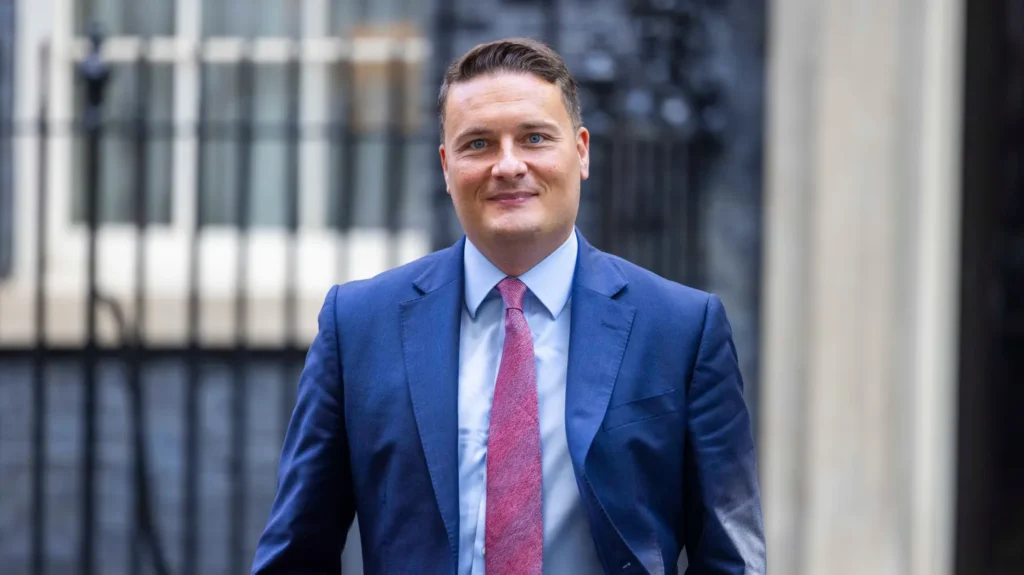
The intervention by the health secretary marks the clearest breach yet of Starmer’s stated refusal to revisit customs union membership, which the prime minister has repeatedly described as a “red line”. Streeting’s remarks have intensified speculation within Westminster that senior figures are beginning to position themselves for a future leadership contest.
A YouGov poll conducted for The Times found that 80 per cent of voters who backed Labour at the last general election believe the party should abandon its current position and negotiate a customs union agreement with the EU. Support extends beyond Labour’s base, with 78 per cent of Liberal Democrat voters and 39 per cent of Conservative voters also backing the move.
Starmer has twice ruled out joining a customs union in recent weeks, arguing that such a step would undermine trade agreements concluded with the United States and India. Speaking to MPs, he said reopening the issue would be economically irresponsible, given the scale of recent international trade negotiations.
Streeting, however, struck a markedly different tone in an interview with The Observer, framing closer economic integration with Europe as both a strategic necessity and an electoral imperative. He argued that Labour could not defeat Reform UK by adopting its rhetoric or policy positions, insisting that the party must instead offer a distinct and credible economic alternative.
Britain, he said, had suffered “a massive economic hit” as a result of Brexit, pointing to high taxation, mounting public debt and pressure on businesses. According to Streeting, deeper trade ties with the EU represent the most realistic route to restoring economic growth.
While welcoming the prime minister’s efforts to “reset” relations with Brussels through a revised trade and co-operation agreement, Streeting argued that these measures fell short of addressing the structural damage caused by leaving the single market and customs union. He said the government should aim for an economic partnership that improves trade flows without reopening the issue of freedom of movement, which would not be required under a customs union arrangement.
Downing Street figures have privately interpreted Streeting’s comments as a calculated attempt to appeal to Labour members, who remain overwhelmingly supportive of closer ties with Europe. One senior government source described the intervention as an unsubtle signal of leadership ambition, suggesting it exposed a growing weakness at the centre of government.
Another senior Labour figure noted that leadership contests are rarely won by candidates committed to maintaining the status quo, reinforcing the sense that internal divisions over Europe are far from settled.
Streeting played down speculation about his intentions, saying that observing the pressures of the prime ministerial role made him question why anyone would actively seek it.
The debate has also drawn in other senior Labour figures. Allies of Angela Rayner, a former deputy leader, pointed out that she repeatedly voted in favour of a customs union during parliamentary debates in 2019, while remaining mindful of Labour’s 2024 manifesto commitments and existing trade agreements.
The YouGov polling suggests that sentiment among Labour voters goes further still. Nearly three-quarters said the government should open negotiations to rejoin the EU outright, while half of all voters expressed support for that approach.
Streeting also used the interview to depart from Starmer on social policy, indicating support for banning under-16s from social media platforms, a move the prime minister has said he does not favour arguing that stronger protections for young people are overdue.
Earlier this month, Starmer faced a backbench rebellion when 13 Labour MPs voted in favour of a Liberal Democrat motion supporting customs union membership. Those MPs included Dame Meg Hillier, chair of the influential Treasury select committee. The vote followed evasive comments by David Lammy, who declined to say whether he supported rejoining the customs union as a means of boosting growth.
Economists have repeatedly warned of the economic costs of remaining outside the customs union. David Miliband, the former foreign secretary, has estimated annual losses of between £15 billion and £30 billion, while other analysts suggest that rejoining could partially reverse the estimated 3 per cent hit to GDP linked to Brexit. By contrast, the government’s current EU reset plans are expected to deliver only a 0.3 per cent increase in output.