The Office for National Statistics (ONS) said inflation increased to 3.4 per cent year-on-year in December, up from 3.2 per cent in November, exceeding economists’ expectations. It marked the first increase in the cost of living since July 2024 and leaves inflation well above the Bank of England’s 2 per cent target.
When Labour took office in July 2024, inflation stood at 2.2 per cent.
Tobacco Taxes and Airfares Drive Increase
The ONS said the rise was largely driven by tobacco prices, which accelerated after Reeves raised duties on cigarettes and introduced a new tax on vapes across the October 2024 and November 2025 budgets.
Alcohol and tobacco inflation rose to 5.2 per cent in December, up from 4 per cent the previous month. Airfares surged by 28.6 per cent, reflecting higher demand and the timing of return flights over the Christmas and New Year period.
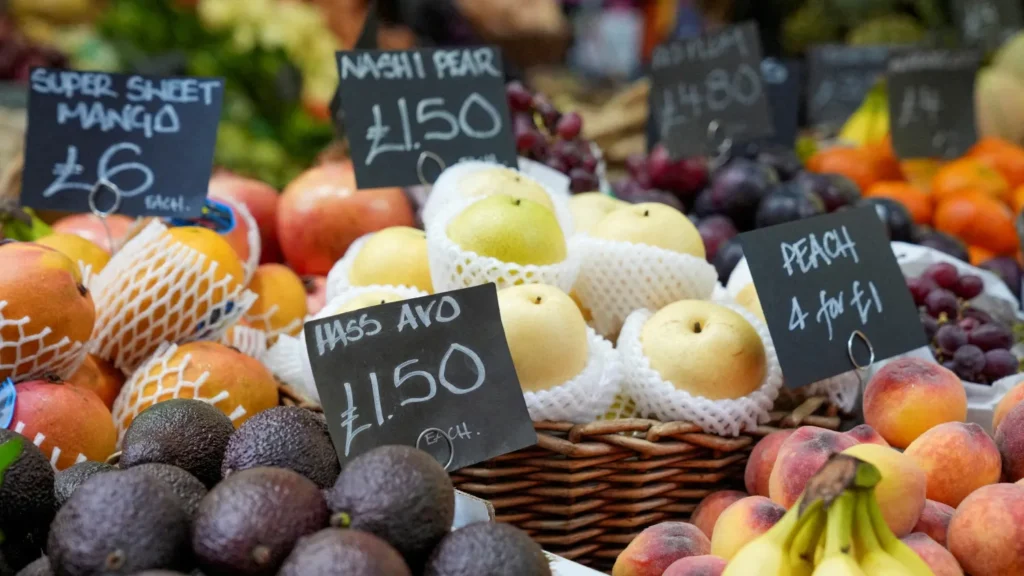
Food prices also contributed to the increase, with food inflation climbing to 4.5 per cent, up from 4.2 per cent in November. Rising costs for bread and cereals were among the main drivers.
Paul Dales, chief UK economist at Capital Economics, said the delayed timing of the November budget meant tobacco duty rises were only captured in December’s inflation data.
“The later-than-usual budget meant the increase in tobacco duties only showed up in the ONS December survey,” he said.
Offset by Weaker Discretionary Spending
The ONS said weaker price growth in recreation and cultural activities helped limit the overall rise in inflation.
Grant Fitzner, the ONS’s chief economist, said:
“Inflation ticked up slightly in December, driven partly by higher tobacco prices following recently introduced excise duty increases. Airfares also contributed, while rising food prices added upward pressure.”
Economic Outlook and Interest Rates
The increase comes amid mixed economic signals. The ONS reported earlier this week that unemployment remains at 5.1 per cent, close to a five-year high, while the economy grew by a stronger-than-expected 0.3 per cent in November.
Reeves said the government’s “number one focus is to cut the cost of living”, adding: “This is the year Britain turns a corner.” She is attending the World Economic Forum in Davos this week.
Bank of England economists believe the rise in inflation will be temporary, with the rate expected to return to target by spring as household energy bills fall.
Financial markets expect the central bank to cut interest rates twice this year, bringing the base rate down to 3.25 per cent from 3.75 per cent, after four cuts in 2025.
Core and Services Inflation
Services inflation, closely monitored by the Bank of England, rose to 4.5 per cent in December from 4.4 per cent. Core inflation, which excludes food and energy, remained unchanged at 3.2 per cent.
Nicolas Crittenden of the National Institute of Economic and Social Research said the rise did not signal broader inflationary pressure.
“This increase is driven by tobacco duty changes and festive travel costs and does not point to permanent price rises across the wider economy,” he said.