
A new survey by AXA Global Healthcare confirms the problem: while 88% of men would fix a car fault within a week, fewer than half (47%) would act as quickly on a health issue.
Dr Semiya Aziz, a North London GP and founder of Say GP, sees this reluctance daily. The reasons? “Embarrassment, a sense of invincibility, and fear of a devastating diagnosis,” she says. “Many men admit they avoid the GP because ignorance feels easier than hearing bad news.”
But ignoring early warning signs can prove dangerous. Heart attack studies show that one in six deaths may involve missed symptoms, and men are especially vulnerable to cardiovascular disease.
So, what should men in their 40s, 50s and 60s watch out for?
1. Skin tags
Clusters of skin tags on the neck, armpits or groin may point to pre-diabetes or Type 2 diabetes.
- Often linked with a rash called acanthosis nigricans (dark, velvety patches).
- Sometimes mistaken for bruising or dirt.
- Sudden dark pigmentation on the legs can also be a warning.
“Don’t dismiss these rashes as eczema,” says Dr John van Bockxmeer, Columbia University. “They may be a sign your blood sugar is too high.”
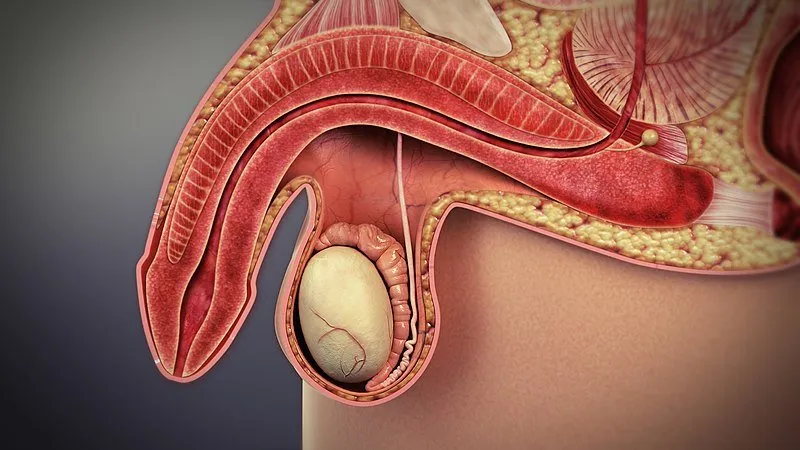
2. Erectile dysfunction
Persistent problems aren’t always about testosterone. They often reflect poor blood flow, the same process that clogs arteries in the heart.
“Erectile dysfunction can precede heart problems by around 10 years,” warns consultant urologist Steve Garnett. Cholesterol and blood fat checks are vital.
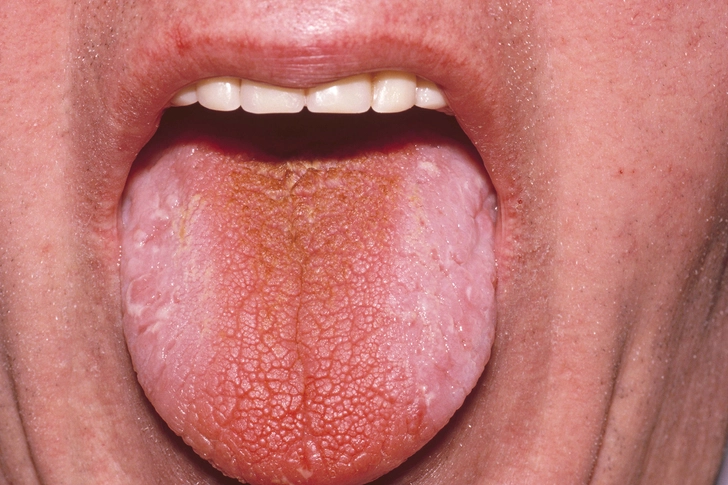
3. Fatigue or dry mouth in the morning
These are hallmarks of sleep apnoea, which affects thousands of undiagnosed middle-aged men. Left untreated, it raises risks of stroke, heart failure, diabetes and dementia.
If your partner notices gasping or choking at night, ask your GP for a referral to a sleep clinic.
4. Testicle lumps
Self-checks are not just for younger men. Testicular cancer has a second peak around age 60, says Dr van Bockxmeer. Painful or painless lumps should always be assessed.
5. Urinary problems
Weak flow, urgency, or blood in the urine can signal:
- Prostate cancer (needs early intervention).
- Benign prostatic hyperplasia (age-related, treatable).
- Urinary tract infection (can spread to kidneys).
“Any blood in the urine must be investigated,” stresses Dr Aziz.
6. Shortness of breath
Not just a sign of poor fitness. Breathlessness on exertion could mean:
- Blocked arteries leading to a future heart attack.
- Atrial fibrillation, a rhythm disorder twice as common in men, raising stroke risk.
Early tests, including cholesterol checks or a Holter monitor, can prevent serious consequences.
7. Back or leg pain
Ignored aches may be spinal disc degeneration, pressing on nerves and leading to sciatica. Preventative exercises and physiotherapy can help if caught early.
8. Rectal bleeding
Embarrassment keeps many men silent, but bowel cancer affects men disproportionately. Warning signs:
- Bright red blood or dark, tarry stools.
- A persistent change in bowel habits.
- Abdominal cramps, especially on the left side.

“Don’t dismiss it as piles or beer-related diarrhoea,” says colorectal surgeon Alice Murray (UCLH). “Even if benign, you should always get checked.”
From breathlessness to skin tags, these symptoms may not be “just age”. Doctors agree: the earlier you act, the better the outcome.
“No one will turn you away,” says Murray. “But delaying could cost you your health.”