
The surcharge will be charged in four bands:
- £2 million to £2.5 million — £2,500 per year
- £2.5 million to £3.5 million — £3,500 per year
- £3.5 million to £5 million — £5,000 per year
- £5 million and above — £7,500 per year
The Office for Budget Responsibility (OBR) estimates that the surcharge will raise over £600 million in 2029-30. However, behavioural effects, such as changes in property sales, are expected to reduce the total net yield to around £400 million. Experts warn that the tax could distort the high-end housing market, with more properties clustering just below each band threshold.
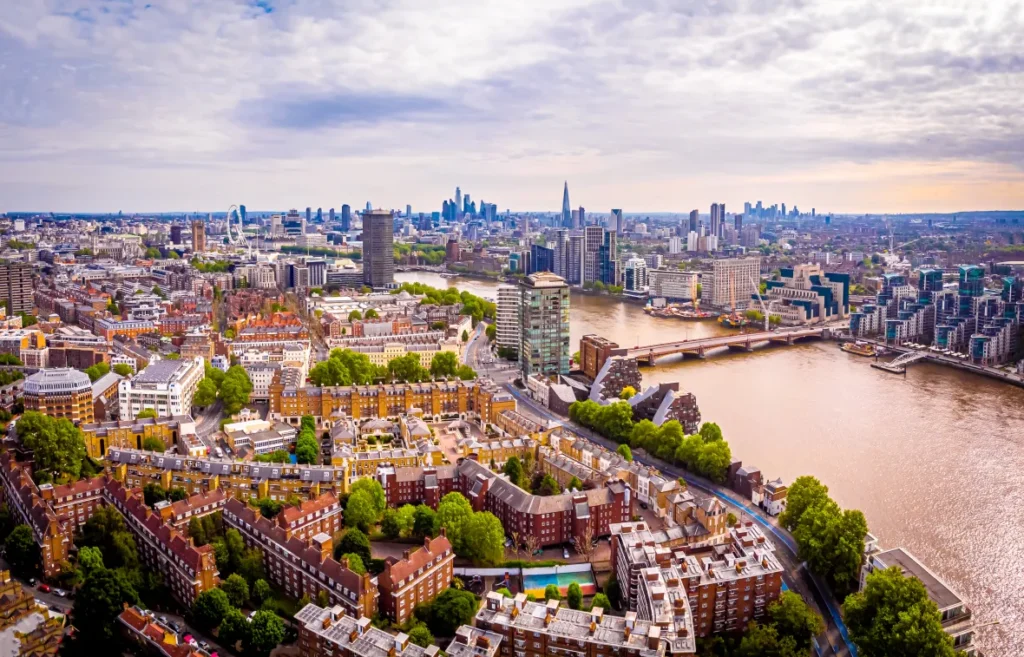
Revaluations will take place every five years, and property owners, rather than tenants, will be liable for the surcharge. Analysts predict that by 2028, over 189,000 homes will be affected, up from 150,000 currently above the £2 million threshold. London will see the greatest impact, with more than 106,000 properties liable, up from 88,000 today, while the southeast will see around 44,000 properties affected, an increase from 34,000.
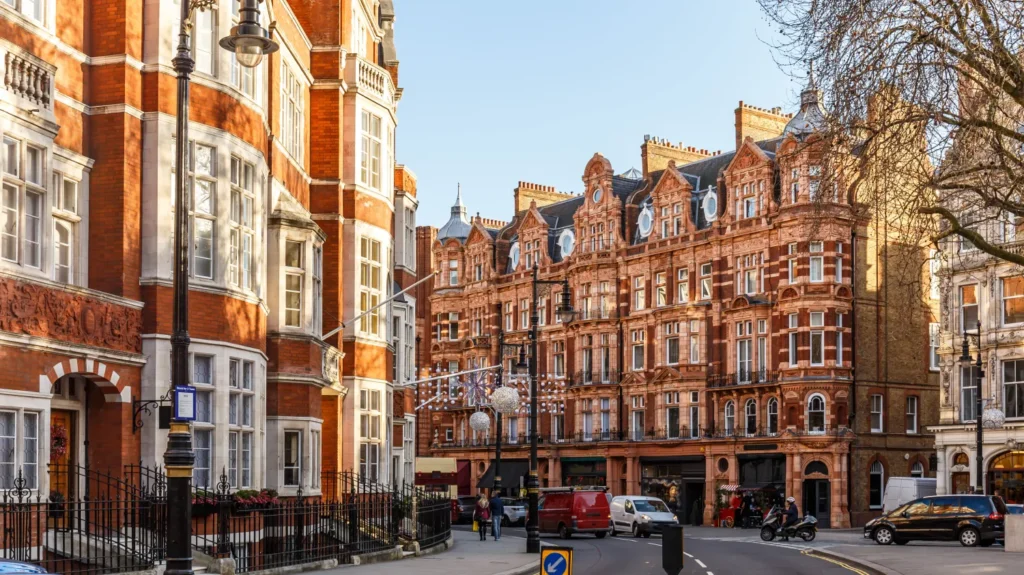
Nigel Bishop, founder of Recoco Property Search, warned that the tax “could mean financial ruin” for asset-rich but cash-poor homeowners, who may be forced to sell at reduced prices. Knight Frank noted that many properties caught by the surcharge will not be traditional mansions but include terraced houses, flats, and semi-detached homes, particularly in central London.
Public First, a think tank, highlighted that two-fifths of homeowners in the highest bands are pensioners, raising concerns that the surcharge could be perceived as a “granny tax.”
The Treasury has pledged a support scheme for those who may struggle to pay, with potential deferrals until death or sale of the property, as well as an appeals process for disputed valuations. The HomeOwners’ Alliance cautioned that the revaluation process could be expensive, complex, and open to multiple appeals.
The government plans to launch a public consultation on the surcharge in the new year.