One of the most significant measures is a two-year freeze on income tax thresholds. This will affect millions of workers and pensioners. Pension contributions will also face new restrictions, meaning a typical middle-class dual-income family could lose about £1,600 over the next two tax years.
Reeves is also planning to reduce the annual tax-free cash ISA allowance from £20,000 to £12,000. Lenders warn that this could push mortgage rates higher. The budget will also include a new charge on properties valued above £2 million and a pay-per-mile scheme aimed at electric vehicles.
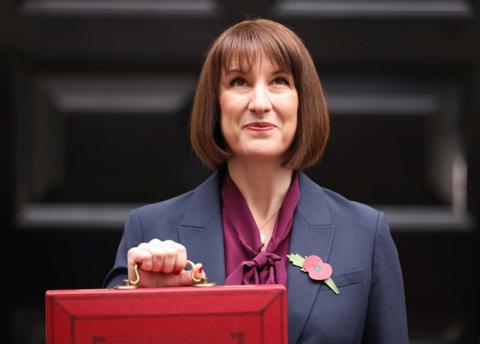
This budget may be the most important moment yet for Reeves and Prime Minister Sir Keir Starmer. Labour has suffered a steep fall in opinion polls since taking office, and many of the measures are designed to reassure Labour MPs. Reeves’s decision not to increase the basic rate of income tax has left her relying on a large collection of smaller tax rises, each carrying political risk.
To soften the impact, the Chancellor will set out cost-of-living support. This includes plans to reduce energy bills by removing some green levies and a further freeze on fuel duty, which alone will cost £3 billion.
Next year, the national living wage will rise from £12.21 to £12.71, an increase of 4.1 per cent. Employers will shoulder this cost. Pay for 18- to 20-year-olds will rise by 8.5 per cent to £10.85. The Resolution Foundation has warned that this rise may “do more harm than good” at a time when unemployment is increasing.
Reeves will also expand welfare spending. She will scrap the two-child benefit cap at a cost of £3 billion and uprate benefits in line with inflation, which will cost another £6 billion. Additional pressure on public finances will come from the government’s reversals on winter fuel payments and welfare reforms, adding more than £6 billion.
In her speech to the Commons, Reeves will say:
“Today I will take the fair and necessary choices to deliver on our promise of change. I will not return Britain to austerity, nor will I lose control of public spending with reckless borrowing.”
She will promise a renewed focus on economic growth following a downgrade to productivity forecasts by the Office for Budget Responsibility. This change added £20 billion to the government’s fiscal gap. Reeves describes her new programme of investment in road, rail and housing as “the biggest drive for growth in a generation”.
The Chancellor hopes that reducing the cash ISA limit will encourage more people to save through stocks-and-shares ISAs, injecting additional capital into the economy.
However, the financial impact on many families will be significant. According to calculations by wealth manager Quilter, a family with one adult earning £60,000 and another earning £40,000 will pay an additional £1,281 in income tax and national insurance across the 2028–29 and 2029–30 tax years. A new cap on national-insurance-free pension contributions of £2,000 a year, under salary-sacrifice arrangements, would add a further £304 to the household tax bill.
Other measures in the budget include a “milkshake tax” on sugary dairy and coffee drinks and a £2-per-night tourism levy on hotels and short-term rentals.