
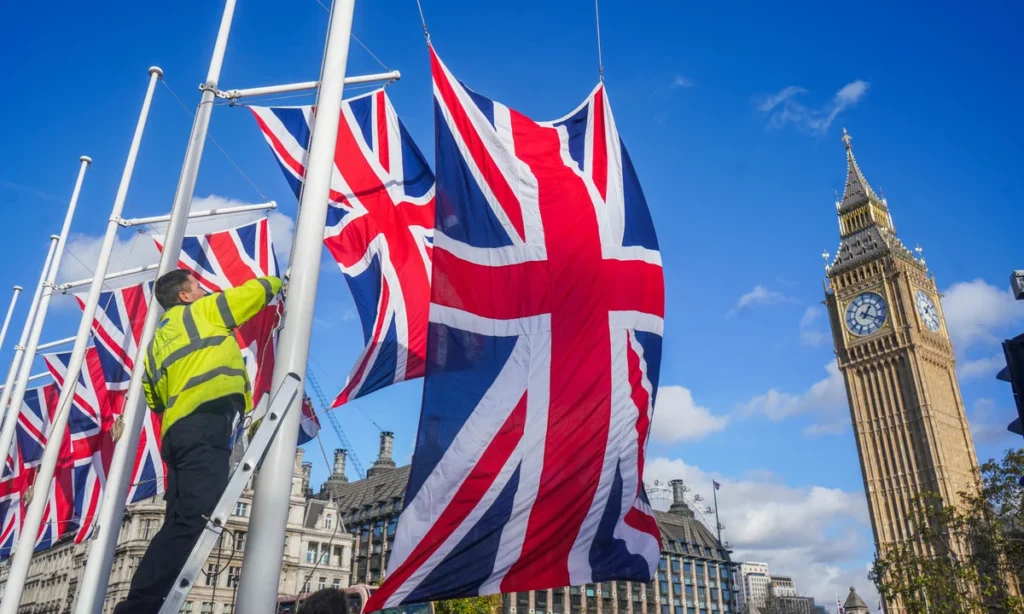
As 2026 begins, an analysis of international data paints a nuanced picture. Britain continues to perform strongly in several areas, though not without clear weaknesses.
Economy: Big, But Less Prosperous Than It Once Was
With a population of nearly 70 million, the UK ranks as the world’s 21st most populous country. Once the heart of a global empire covering a quarter of the planet, Britain today accounts for less than 1 per cent of the world’s population.
Economically, however, it remains a heavyweight. The UK’s gross domestic product stands at roughly £3 trillion about $4 trillion making it the sixth-largest economy globally. When adjusted for purchasing power, which reflects the real cost of living and production, Britain slips to tenth place, reflecting how expensive it is to operate and live in the UK.
Living standards tell a more sobering story. GDP per capita, adjusted for purchasing power, places Britain 33rd globally, a significant fall from 25th place in 1980. International forecasts suggest further slippage by the end of the decade as faster-growing European economies catch up.
Among countries with populations over five million, Britain ranks 21st. Within the G7, it sits fifth, ahead of only Japan and Italy. Weak growth forecasts, higher inflation than peers and rising economic inactivity continue to weigh on performance.
Verdict: Still a top-tier economy but not because of exceptional prosperity.
Military: Advanced and Influential, Not Manpower-Heavy
Britain remains one of the world’s leading military powers. Defence spending reached $81 billion in 2024, placing the UK fifth globally. While exchange rates flatter the headline figure, the UK compensates with advanced capabilities rather than sheer size.
The British armed forces comprise around 141,000 active personnel, ranking 34th worldwide. In contrast, Britain excels in technology, equipment and global standing. It operates one of the world’s few aircraft carrier fleets, maintains a nuclear deterrent and plays a central role within Nato.
Its air force and navy remain among the most capable globally, and the UK is widely recognised for leadership in precision and stealth weaponry.
Verdict: A major military power, just not a large one.
Health: Average Outcomes, Emerging Concerns
British life expectancy now stands at just over 81 years, placing the UK 29th globally among comparable countries. Child mortality rates are low by international standards but higher than in some European peers.
Several health indicators raise concern. Rates of cancer-related deaths are higher than in many developed nations, and overall health outcomes no longer place Britain among global leaders. While some figures reflect strong diagnostic systems, others point to structural pressures within healthcare provision.
Verdict: Solid, but increasingly unremarkable.
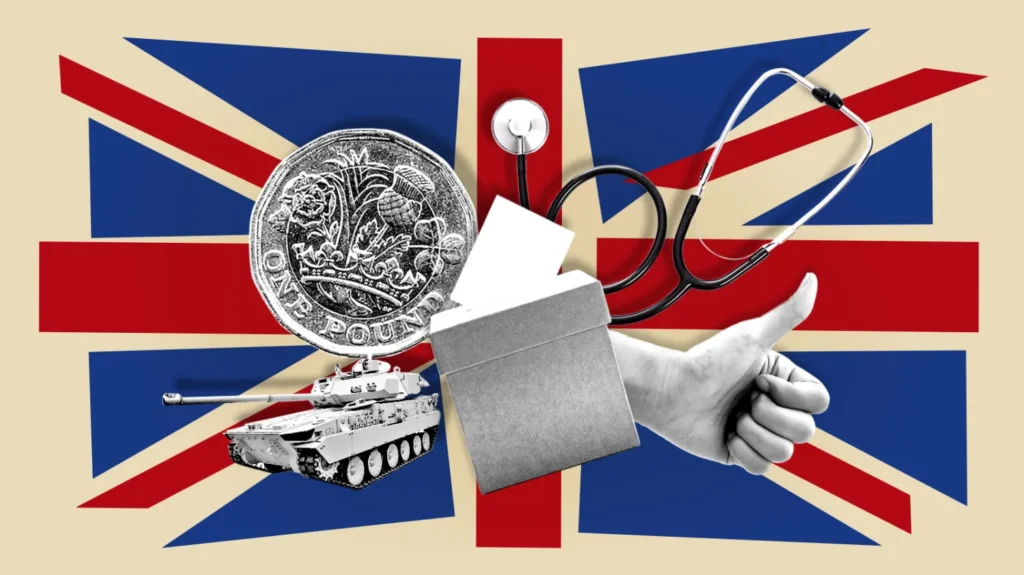
Safety: Safer Than Many Assume
Despite perceptions of rising lawlessness, international comparisons suggest Britain remains relatively safe. Homicide rates are low by global standards, and public confidence broadly reflects this reality.
More than three-quarters of Britons report feeling safe walking alone, placing the UK ahead of countries such as France, the US and Italy, though well behind nations such as Singapore.
Verdict: A largely safe society.
Influence: Still a Global Player
If economic and health rankings show decline, Britain’s global influence tells a different story. While UK passport holders enjoy visa-free access to fewer countries than many EU counterparts, Britain continues to rank near the top of global soft power indices.
International surveys consistently place the UK among the world’s most influential and recognisable nations. British universities have educated dozens of world leaders, and UK music accounts for a remarkable share of global streaming.
Verdict: Influence far exceeds size.
Happiness: Holding Up Better Than Expected
Britain ranks 21st in global happiness surveys down slightly from pre-pandemic levels but still ahead of many major economies. Moderate working hours and a strong culture of charitable giving may help explain this resilience.
Despite political turbulence and economic pressures, British life satisfaction remains comparatively high.
Verdict: More content than the headlines suggest.
The Bigger Picture
Britain in 2026 is no longer the dominant power it once was, nor one of the world’s richest societies. Yet it remains militarily capable, culturally influential and relatively safe, with a population that continues to report decent levels of wellbeing.
Greatness, it seems, has evolved less about empire and wealth, more about influence, stability and soft power.
Great Britain, UK global ranking, British economy, UK military power, soft power, global influence, UK happiness, public safety UK, healthcare outcomes, Britain 2026, international rankings, UK data analysis, world comparisonsvBorrowing a line made famous by Hugh Grant in Love Actually, Britain has long seen itself as a small country with outsized greatness, the home of Shakespeare and Churchill, the Beatles and Bond. But more than two decades on, and amid economic uncertainty and shifting global power, the question remains: is Britain still a great country?
As 2026 begins, an analysis of international data paints a nuanced picture. Britain continues to perform strongly in several areas, though not without clear weaknesses.