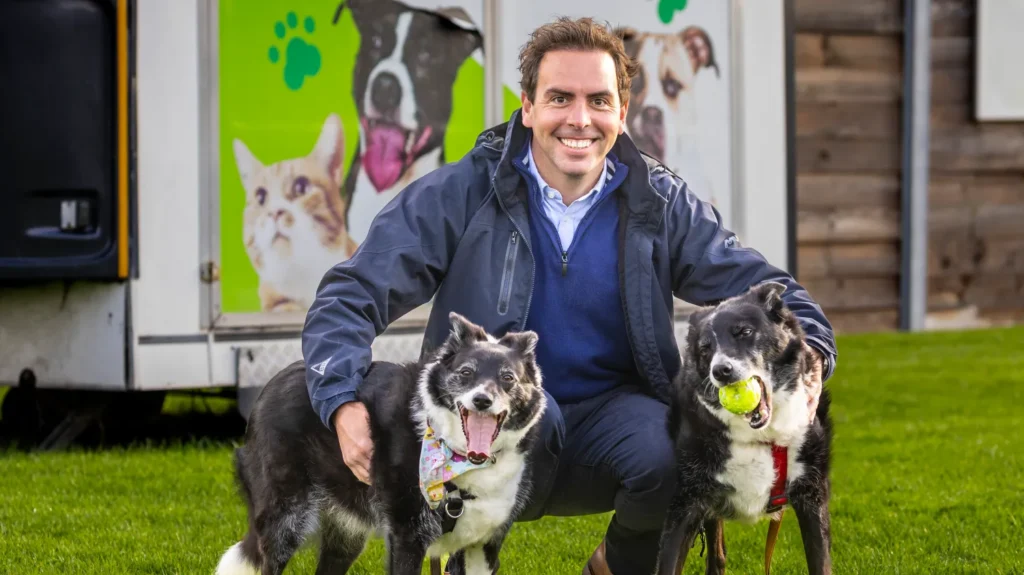
The Dog Theft (Scotland) Bill cleared its first parliamentary hurdle on Thursday with support from all six parties, including Reform UK’s sole MSP. Brought forward by Scottish Conservative MSP Maurice Golden, the bill would create a bespoke offence for stealing dogs, though penalties are not expected to differ significantly from the existing law on theft.
Legal experts questioned the move, warning it risks wasting parliamentary time. Scott Wortley, a law lecturer at the University of Edinburgh, said:
“The theft of all owned animals, be they beloved pets or commercially valuable livestock, is already criminal. So what exactly is the bill trying to achieve? It’s identical to current law but with a lower maximum sentence. This is gesture politics legislation for appearance’s sake, rather than substantive change.”
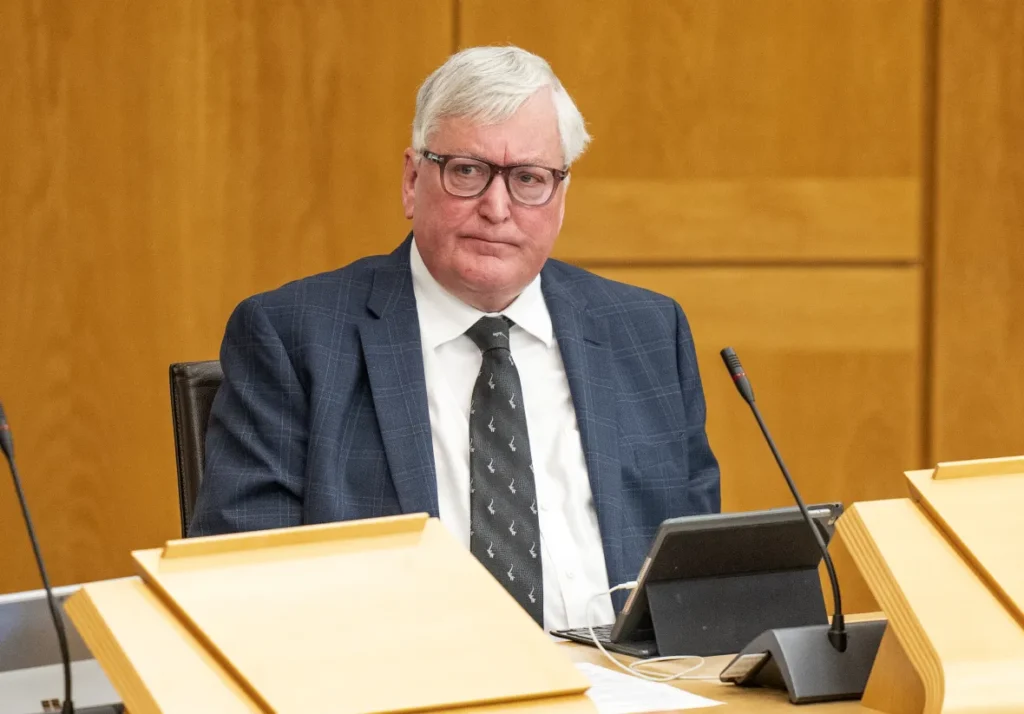
Former SNP cabinet minister Fergus Ewing, now sitting as an independent, also condemned the measure:
“This wholly unnecessary legislation brings the parliament into disrepute. Why aren’t we debating the oil and gas sector, which is shedding around 400 jobs every fortnight? That’s surely the biggest employment crisis Scotland has ever faced.”
Golden defended his proposal, arguing that a standalone offence could encourage more prosecutions and reflect the emotional value of dogs in family life.
“Dogs are our best friends and deserve greater protection than the current law provides,” he said. “At present, they’re treated as mere property. This bill recognises their place in our households and our hearts.”
Holyrood’s rural affairs committee ultimately supported the bill, while noting that much of its content overlaps with existing legislation. Critics compared the move to Holyrood’s 2021 decision to make assaulting shop workers a specific crime, despite protections already being in place.
James Mitchell, professor of public policy at the University of Edinburgh, echoed concerns:
“This is classic displacement activity tackling easier, symbolic issues while avoiding harder debates. If Holyrood is to be valued by the public, it must start taking itself more seriously.”