After an early start to the flu season this winter, overall infection rates have been falling since mid-December. However, UKHSA warned that people aged 85 and over, who are most vulnerable to severe illness and hospitalisation, are not seeing the same decline.
Adding to the concern, UKHSA has extended its cold-health alert, with all regions of England remaining under an amber alert until 12pm on Monday 12 January. Cold weather can significantly increase health risks for older adults, particularly those with underlying conditions.
Latest figures show that hospital admissions for flu and RSV were highest among people aged 85 and over during the first week of the New Year, despite overall national improvements.
Dr Conall Watson, Consultant Epidemiologist at UKHSA, said falling flu levels were encouraging but warned that the situation remains unpredictable.
“Cases of flu and RSV among older age groups are staying stubbornly stable for now, with no signs of a drop in the number of older adults needing emergency care for respiratory illnesses,” he said. “Flu is unpredictable, and the season could last several more months.”
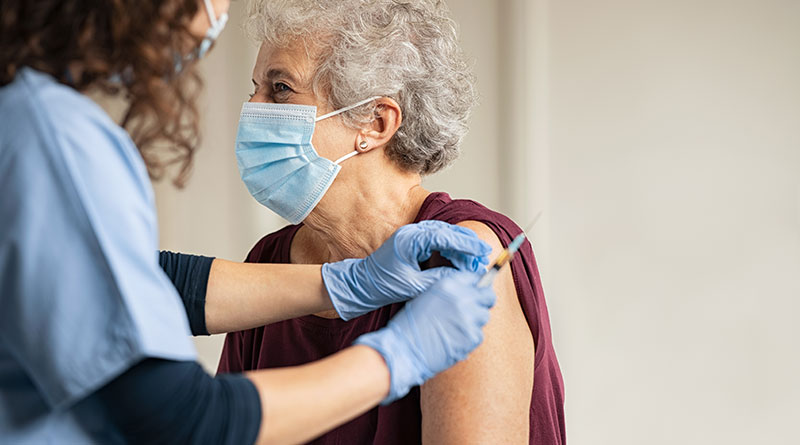
Dr Watson urged eligible groups to continue taking up vaccinations, noting that flu often circulates well into March. Flu vaccines remain available through the NHS, while RSV vaccination is offered year-round to pregnant women and older adults aged 75 to 80 who have not yet received a dose.
With people returning to work and school after the Christmas break, UKHSA warned that respiratory viruses now have increased opportunities to spread. Those experiencing symptoms such as fever, cough, fatigue, or body aches are advised to limit contact with others, especially vulnerable individuals.
Eligible groups for the flu vaccine include:
- Adults aged 65 and over
- Pregnant women
- Children aged two to school year 11
- People with certain long-term health conditions
The RSV vaccine is available to adults aged 75 to 79, as well as those who turned 80 after 1 September 2024.
Meanwhile, norovirus levels remain within expected seasonal ranges, according to UKHSA, though officials continue to stress the importance of hygiene measures.
Amy Douglas, Lead Epidemiologist at UKHSA, said handwashing with soap and warm water and using bleach-based cleaning products are essential, as alcohol hand gels do not kill norovirus.
She also advised anyone with diarrhoea or vomiting to stay away from work, school, or childcare settings until 48 hours after symptoms stop, and to avoid visiting hospitals or care homes during that period.