
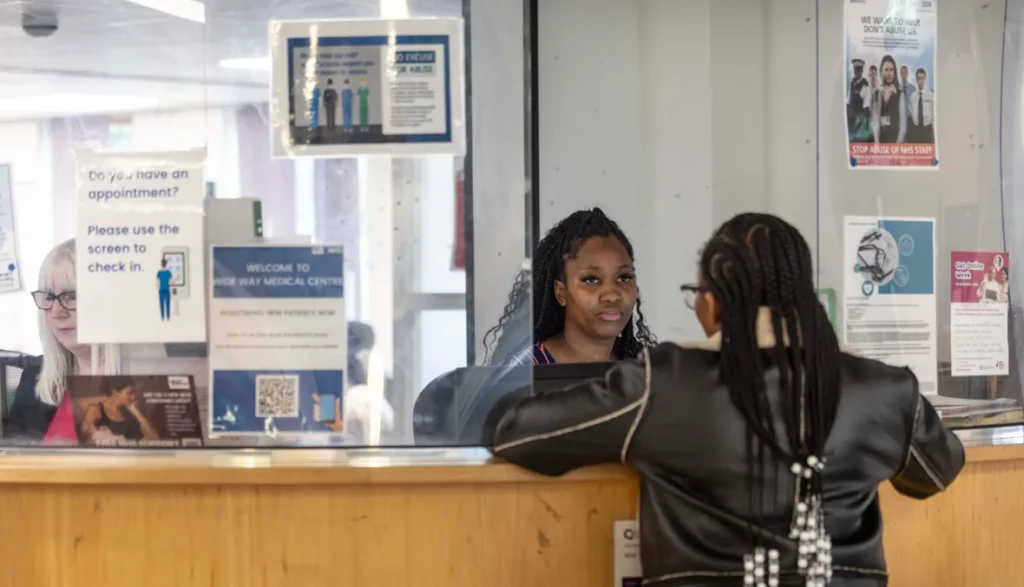
Analysis of NHS England data revealed that in November 2025, 1.77 million appointments involved a four-week wait up 246,625 from July 2024, when Labour took office. October 2025 saw the highest number of month-long waits on record, with 4,081,543 patients affected.
Labour cautioned against “misrepresenting” the figures, noting that they include both urgent requests and pre-scheduled follow-up or review appointments.
From September to November, 7.6 million GP appointments came with a four-week wait, an increase of more than 300,000 compared with the same period in 2024. Around 21 per cent of appointments faced waits of at least two weeks, with 7.5 per cent waiting four weeks or more.
The largest regional rise was in the South West, which saw 53,000 more month-long waits, a 23.7 per cent increase since July 2024. Some local areas experienced even steeper increases: Northamptonshire reported a 47 per cent rise in four-week waits over the past 18 months, while NHS Bristol, North Somerset and South Gloucestershire saw a 46 per cent rise, and NHS Herefordshire and Worcestershire 40.7 per cent.
‘A damning failure’
The Liberal Democrats, who analysed the figures, warned of severe consequences for patients and the health service. Helen Morgan, the party’s health spokesperson, said:
“Nobody should be forced to wait over a month to see their GP, and yet millions of people across the country are being left waiting anxiously, in pain, or needing treatment. In desperation, many people are having to turn to our overwhelmed A&Es to be seen.
“GP services were left teetering on the edge by the Conservatives, but the fact that waits have worsened represents a damning failure by the Labour government too. Liberal Democrats would breathe life back into our GP services, with a new legal right for every patient to be seen within seven days or 24 hours if urgent so that no one is denied care when they need it. If this crisis is allowed to fester, the price for our NHS and for patients will be devastating.”
The party is calling for a dedicated fund to open new GP surgeries in areas affected by GP shortages or recent housing developments, as well as a 24/7 GP booking service via NHS 111.

Government perspective
NHS sources emphasised that some long-wait appointments relate to pre-booked reviews for long-term conditions or recovery follow-ups. They also noted that around 45 per cent of patients were still seen on the same day they requested an appointment, meaning the statistics do not fully reflect new urgent cases.
The Department of Health and Social Care stated that the figures were being “misrepresented,” noting that longer waits often relate to pre-scheduled appointments. It highlighted government investment of £1.1 billion into primary care, recruitment of 2,500 additional GPs, and a reduction in administrative targets to allow doctors more time with patients. According to the department, patient satisfaction with general practice has improved after a decade of decline, and GP teams delivered 6.5 million more appointments in the last 12 months, bringing the total from 378.2 million to 384.7 million. Officials expect 2025 to be a record year for appointments.
Labour looks to AI to manage demand
Sir Keir Starmer has prioritised improving public services, particularly the NHS. Government sources say Labour’s success in the upcoming local elections may hinge on voters perceiving improvements in healthcare delivery. To assist this, 50 NHS organisations are now using an artificial intelligence-powered demand forecasting tool to better allocate resources.
The technology uses data including weather forecasts from the Met Office and hospital admission rates to predict demand. It has already been rolled out in Coventry and Warwickshire, Bedfordshire, Luton, and Milton Keynes. Hospital managers reported positive feedback, praising the tool for helping staff make more informed decisions on staffing and capacity.