
Tutor agencies report that preparation for entrance exams now begins as early as six or seven years old in some areas, with some children receiving support from multiple tutors. They also say interest from families based overseas has risen, with parents prepared to relocate to the UK if their child secures a place.
At one north London grammar school, nearly 3,000 children applied for just 104 places for the 2024–25 academic year, with only one white British pupil admitted. Another grammar school in the same area received almost 3,300 applications for 192 places and admitted just two white British pupils.
Education experts have privately suggested that cultural differences in attitudes towards tutoring and exam preparation may play a role, with some families placing a stronger emphasis on early academic coaching.
The Times submitted Freedom of Information requests to more than 50 of England’s 163 state grammar schools, seeking data on applicants’ ethnicity, distance from home, and whether pupils transferred from private primary schools. The data covered intakes for the 2019–20 and 2024–25 academic years.
Applications from across the world
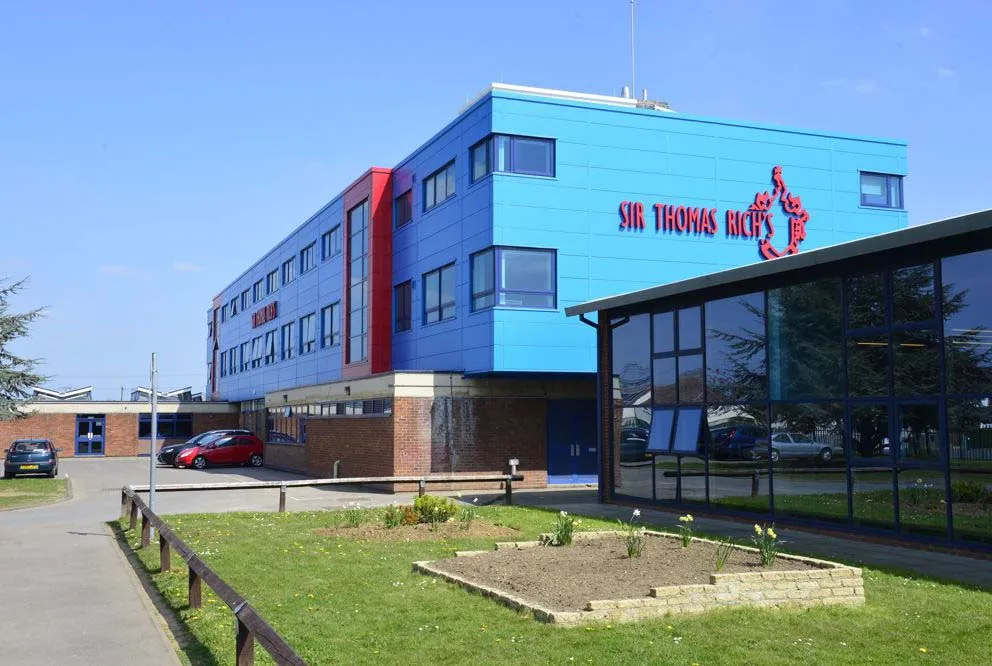
Several schools reported applications from overseas. Sir Thomas Rich’s School in Gloucester received an application from Shanghai in 2024, while Stroud High School also recorded an applicant from China in the same year. Ripon Grammar School in North Yorkshire received an application from Italy in 2019.

Within the UK, families have applied from significant distances, planning to move if successful. Colchester County High School for Girls in Essex received an application from Manchester, Colyton Grammar School in Devon had one from Leeds, and Ripon Grammar School recorded an applicant from Wiltshire.
St Olave’s Grammar School in Orpington, southeast London, said it regularly receives applications from across the UK and from families living abroad, sometimes from other continents.
Lee Elliot Major, professor of social mobility at the University of Exeter, said the trend shows how grammar school admissions have evolved.
“When families are travelling hundreds of miles to sit an entrance test, it is a sign that a system originally designed to serve local academic talent is now operating as a national and global race for elite opportunity,” he said.
“If you cannot plan, pay, and prepare years in advance, the race is often over before it has even begun. This is no longer just a test of academic potential. It is a test of who can dedicate significant resources to preparation.”
Changing intake demographics
Data from schools that provided comparable figures showed a consistent decline in the number of white British pupils admitted. At 20 of the 22 schools supplying comparable data, white British intake fell between 2019–20 and 2024–25. Over the same period, admissions increased for pupils from Indian backgrounds at 14 of 20 schools, and for pupils from Chinese backgrounds at 14 of 18 schools. The number of black pupils remained broadly stable.
At Queen Elizabeth’s School in Barnet, the number of white British boys in year 7 fell from nine to two out of an intake of 192, while pupils of Indian heritage increased from 103 to 120. The school is set to open a private school in India later this year.
Nearby Henrietta Barnett School admitted one white British pupil in 2024, compared with 62 pupils from Indian backgrounds.
Similar patterns were recorded elsewhere. At Pate’s Grammar School in Cheltenham, white British intake fell from 63 to 28, while admissions of pupils from Indian families rose from 45 to 72. At Sir Thomas Rich’s School, white British starters dropped from 102 to 53, while those from Indian heritage doubled from 22 to 45.
Professor Elliot Major cautioned against oversimplified comparisons between ethnic groups, noting that white British pupils are more likely to come from lower-income households and from areas where educational achievement does not consistently translate into opportunity.
However, Professor Peter Edwards of the University of Oxford said white working-class children, particularly boys, were being left behind.
“If this country is serious about social mobility, we must target where the attainment gaps are largest,” he said.
Appeals and pressure on schools
Parental appeals against grammar school rejections have also increased. While only 40 per cent of schools reported more appeals in 2024 than five years earlier, some saw cases rise sharply, in some instances by up to eight times.
Tunbridge Wells Grammar School for Boys expanded its intake after opening an annexe, but was still instructed to admit an additional 20 pupils in 2024 following successful appeals.
Appeals doubled at several schools including Pate’s, St Olave’s, and Torquay Boys’ Grammar School, while others reported even steeper increases.
Social mobility concerns
Around two thirds of schools that responded said they prioritise some disadvantaged pupils in their admissions policies, and about half reported an increase in pupils eligible for free school meals. Despite this, more than half of schools providing data admitted fewer than ten such pupils in 2024–25.
Private primary school intake remained relatively stable, with 247 privately educated pupils admitted to 16 schools in 2024, compared with 256 in 2019.
Professor John Jerrim of University College London said some families applying from long distances may have planned to move anyway, but others appeared to be doing so solely to access grammar schools. He warned that excessive tutoring often focuses narrowly on passing the test rather than long-term learning.
Mark Fenton, chief executive of the Grammar School Heads Association, said grammar schools operate within the current admissions code and assess all applicants regardless of where they live. He added that more than 90 per cent of grammar schools now prioritise disadvantaged pupils, a higher proportion than in comprehensive schools.
However, he acknowledged that only a small percentage of disadvantaged children currently achieve the academic levels required to gain admission, despite outreach efforts.