From February 25, 2026, dual British citizens will no longer be able to travel to the UK on a foreign passport alone. Instead, they must present a valid British passport or apply for a certificate of entitlement, which costs nearly £600.
Campaigners estimate that around 1.2 million dual nationals worldwide could be affected by the change, warning it risks creating “second-class citizens” by placing them at a disadvantage compared with foreign travellers.
‘Renouncing Is Simpler’
For some long-term expats, giving up British citizenship entirely is emerging as the easier option.
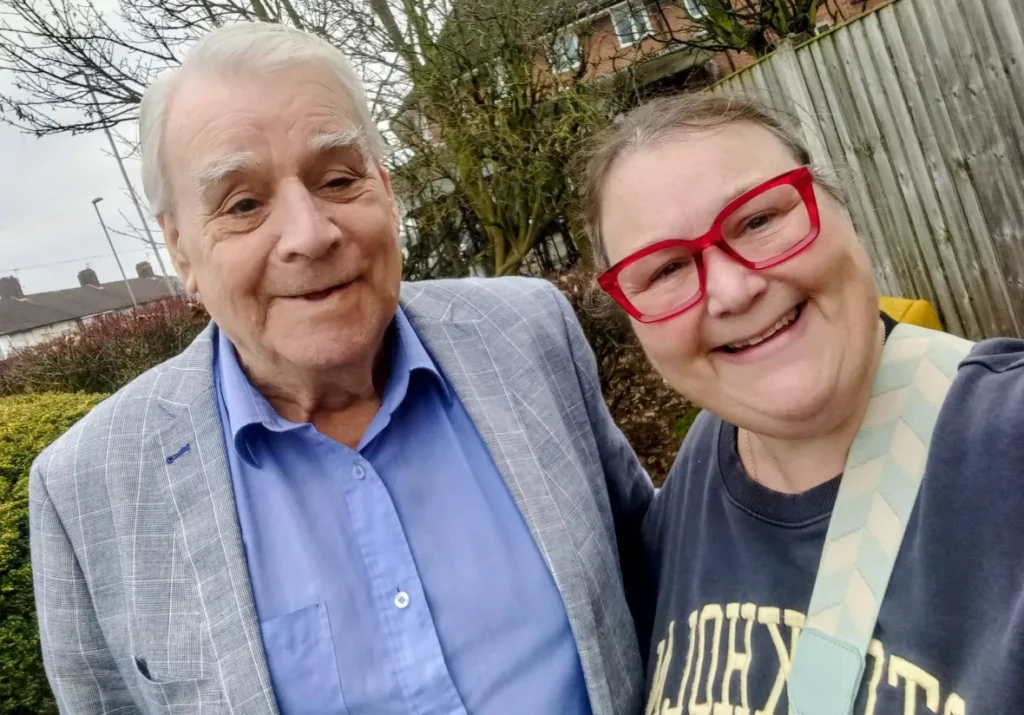
Mark Stocker, 70, an art historian living in Christchurch, said he plans to renounce his citizenship rather than navigate what he describes as an onerous passport process.
Born in Watford and educated at three British universities, Stocker moved to New Zealand in 1986. His British passport expired more than 20 years ago.
Reapplying, he says, would require locating and submitting his parents’ original birth and marriage certificates documents he believes may no longer exist.
“The process of renouncing is simpler and cleaner than applying for a passport,” he said. “Renouncing is saying, ‘I don’t want to be part of it.’”
He also described the rule change as symbolic of what he called a wider erosion of Commonwealth ties.
Others Face Documentation Battles
Stocker’s friend, Rory Sweetman, 71, is attempting to renew his British passport after letting it lapse in 2009.
Despite previously holding a British passport for four decades, he has been asked to provide his father’s original birth certificate from Belfast in 1919, a document he says is effectively unobtainable.
“It’s just beyond unreasonable what they’re asking,” he said, describing the process as a “wild goose chase”.
Sweetman now faces a choice: renounce his British citizenship or stop travelling to the UK altogether. He also holds New Zealand and Irish passports.
Family Visits in Jeopardy
For others, the timing is causing acute stress.
Jaki O’Neil, 56, who lives in Toronto, had planned to visit her father in March to celebrate his 83rd birthday.
Her British passport expired during the pandemic, and she had previously travelled on her Canadian passport without issue.
“I was flabbergasted,” she said. “If I had known, I would have renewed my passport sooner.”
She has now reapplied and is waiting to see if it arrives in time for her trip.
Families Facing New Costs
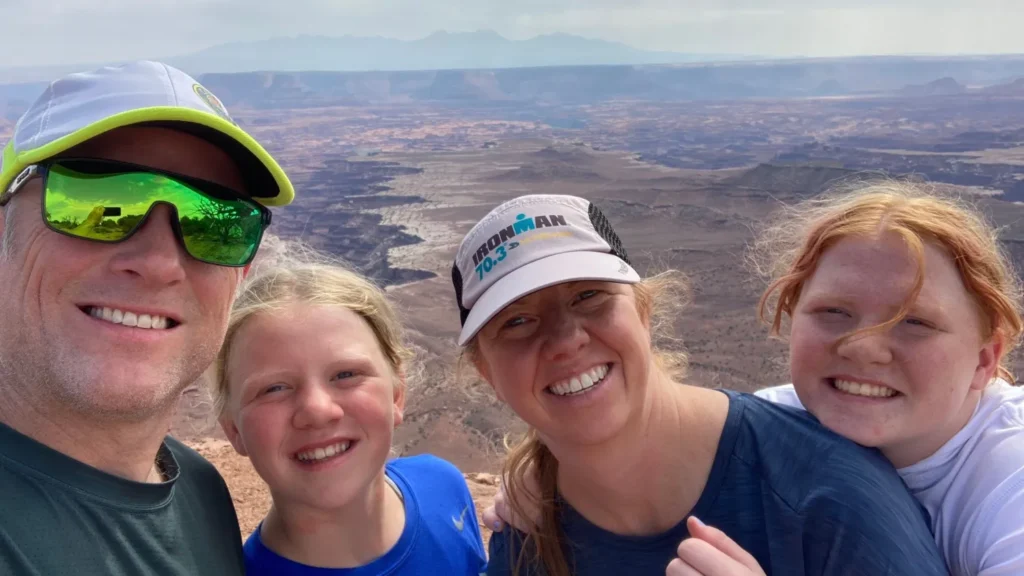
Paul Freemantle, originally from Swindon, moved to Michigan in 2000.
His three children qualify for British citizenship but do not yet hold British passports. Under the new rules, they will each need one ahead of a planned UK visit in July at a cost of more than £300 in fees.
Freemantle said his main frustration was discovering the change through a YouTube video rather than official communication.
However, he said the family would retain British citizenship because of the long-term benefits, including the right to live and work in the UK
Why the Rules Are Changing
The Home Office says the changes are part of efforts to modernise Britain’s digital border systems.
Officials argue the rule will help distinguish between visa overstayers and dual nationals who have the right to remain indefinitely in the UK.
A spokesperson said: “From February 25, 2026, all dual British citizens will need to present either a valid British passport or certificate of entitlement when travelling to the UK. Without one, carriers cannot verify they are a British citizen, which may lead to delays or refused boarding.”
The department added that the approach mirrors systems used by countries including the United States and Australia.
Growing Backlash
British embassies and consulates have reportedly seen a surge in inquiries, with some dual nationals complaining about a lack of advance warning.
For some expats, the change is merely an administrative inconvenience. For others, it has triggered a deeper reassessment of their relationship with Britain and whether holding on to citizenship is worth the cost and complexity.