
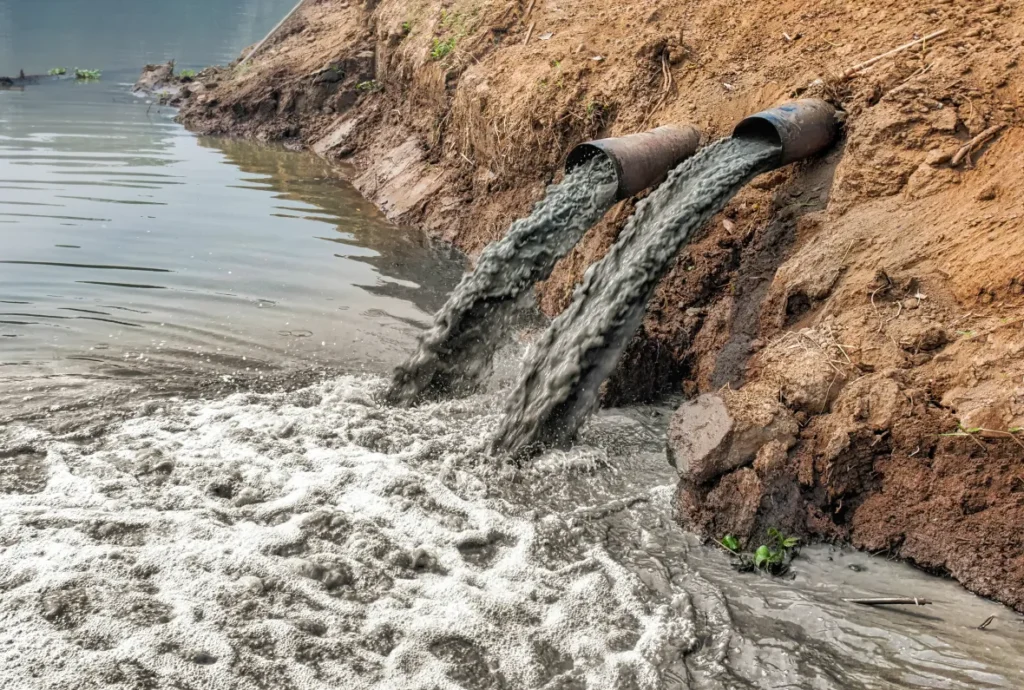
David Henderson, chief executive of Water UK, said Steve Reed had been the “most consequential” environment secretary in a decade, citing his review of the water sector. The government has accepted the review’s recommendation to abolish the regulator, Ofwat, and is considering which of the remaining 87 proposals to include in a forthcoming water white paper.
“There is a huge amount of work to do now, but there is recognition that we need to upend 30 years of legislation,” Henderson said, referring to the period since water privatisation. “There are vast swathes of legislation all need to be redrafted and my concern is that the environment department as yet I do not think has quite the capacity it needs to do that properly.”
Speaking at the Wild Summit in Bristol, Henderson warned that inaction could strengthen Reform UK’s position.
“If we do not get this right and get it right soon, I think we are looking at a Reform government. Their views on some of these topics are well away from where I think you would want them to be.”
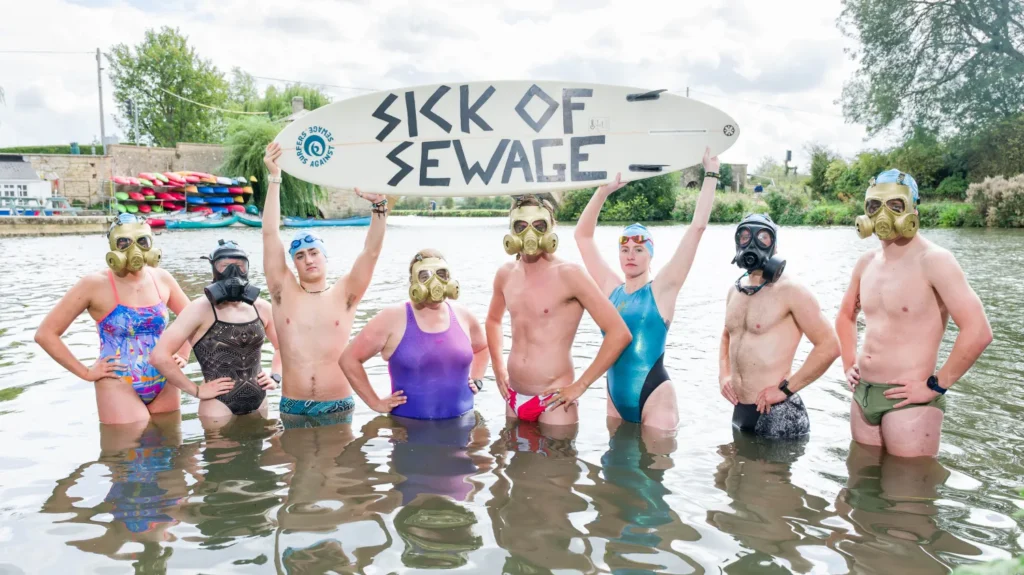
Reform UK leader Nigel Farage has previously suggested nationalising half the water industry without clarifying how such a move would be funded.
Henderson stressed the link between economic growth and environmental protection.
“If there is no growth, we are going to see the environment smashed. I want a much better environment, but I can tell you from experience in Downing Street and the Treasury in two countries, if we do not get growth, the environment will suffer like it is never suffered before.”
The Times Clean It Up campaign has called for better regulation and transparency to improve rivers and seas. Broadcaster and chef Hugh Fearnley-Whittingstall said rivers are a key test for the UK’s wider environmental efforts.
“If we cannot get rivers right, we cannot get farming right, we cannot get food right, we cannot look after the climate, we cannot look after our health. Rivers are where everything comes together and if we fail, everything falls apart.”
Fearnley-Whittingstall also warned that failure to curb water pollution could threaten the UK’s pledge to protect 30 per cent of land and seas by 2030.
In other developments, Nature Minister Mary Creagh announced tighter controls on the use of pesticides linked to bee deaths. New guidance will make it harder for farmers to secure one off exemptions for neonicotinoids, a banned group of pesticides. Creagh said:
“Emergency pesticide authorisations must take full account of the risks pesticides pose to pollinators including bees.”
The move follows the government rejecting an application from sugar beet growers to use neonicotinoids to control aphids.