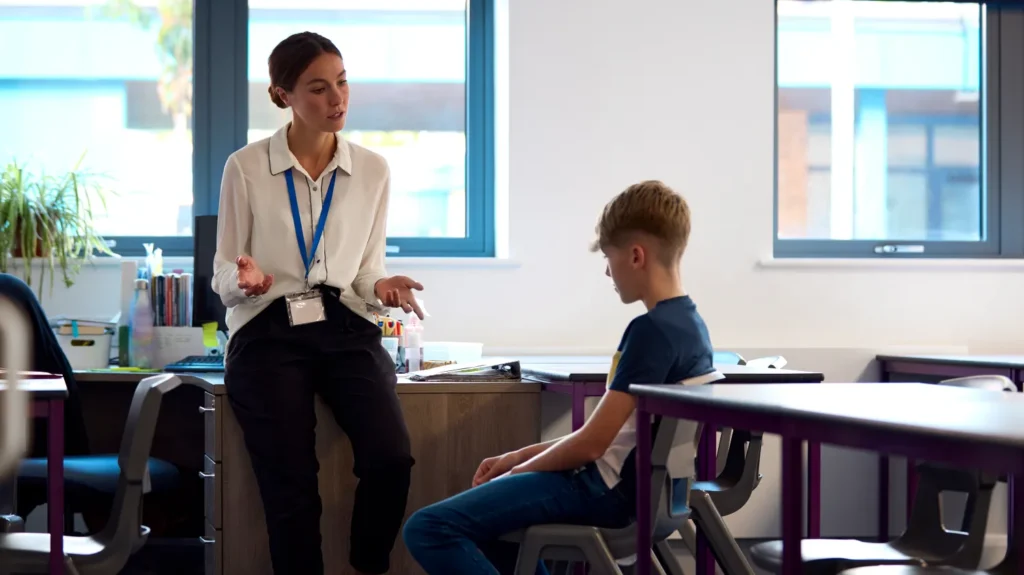
A new report from the Commission on School Reform, a body of education leaders set up by the public policy institute Enlighten, calls for urgent changes to government policy. It argues that head teachers must be given the power to suspend or exclude disruptive pupils if order is to be restored.
The report highlights widespread concern among teachers that poor behaviour is driving down academic standards and forcing many out of the profession. It warns that unless discipline is addressed, Scotland’s international standing in education will continue to slide.
Violence in schools ‘at record levels’
The findings follow troubling data from both teaching unions and political parties. A NASUWT survey earlier this year found that nearly half of Scottish teachers (44 per cent) had suffered physical violence or abuse in the past 12 months, while nine in ten had faced verbal abuse.
In March, the Scottish Liberal Democrats published figures showing more than 40,000 violent incidents were recorded in schools during the 2023–24 academic year the highest on record.
Covid lockdowns blamed for lasting damage
The commission traces much of the problem to a “loss of respect for education” that worsened during the Covid-19 pandemic. Extended periods of remote learning in 2020 and 2021, it argues, left a lasting mark on pupils’ attitudes towards schooling.
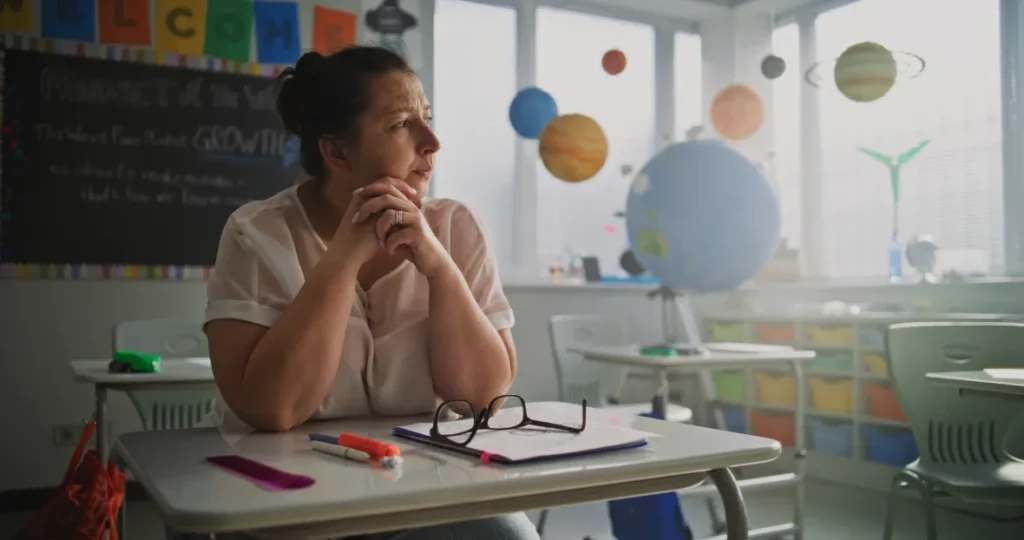
Carole Ford, a former head teacher and member of the commission, said the dynamic between parents and schools had shifted dramatically.
“Support for teachers is not as strong as in the past, and there is a greater tendency for parents to side with their children against the authority of the school,” she said.
She added that the absence of a national post-Covid catch-up programme has fuelled a belief among some families that education is no longer a priority.
Criticism of government guidance
The report also takes aim at existing government policy, which it claims unfairly blames teachers or schools for pupil misbehaviour. Such an approach, Ford argues, demoralises staff and avoids addressing the deeper issues of respect and discipline.
The commission insists that pupils have a right to learn without disruption and has called for new national guidance explicitly recognising the need for sanctions. This should include short-term suspensions for serious cases and exclusions for persistent or extreme behaviour, it says.
The paper also stresses the importance of strong leadership from senior school staff and a united approach between schools and families to improve standards.
Falling standards a national concern
Chris Deerin, director of Enlighten, linked the issue directly to Scotland’s declining performance in the Programme for International Student Assessment (Pisa) rankings.
“We know from the latest Pisa results that academic standards in Scotland’s schools are declining at a worrying rate,” he said. “The commission has, once again, fearlessly articulated what they call ‘an unthinking sense of entitlement’, which has developed since the Covid school closures.”
A Scottish government spokeswoman said ministers were already taking steps to support schools.
“There is no place for violence or abuse in Scotland’s schools,” she said. “We want all schools to be safe places for children and young people to learn and for teachers and staff to work.
“We are providing support and direction at a national level, including the recent publication, Fostering a Positive, Inclusive and Safe School Environment. This guidance makes clear that schools have a range of consequences available to them, including exclusion as a last resort where there is no appropriate alternative.”