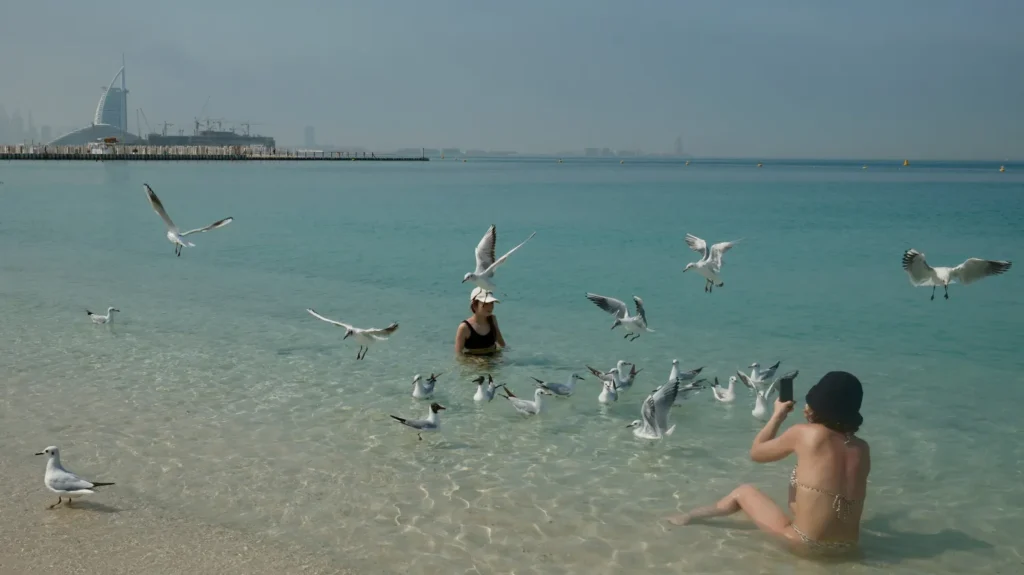
A tour van pulled up near the shoreline and a guide ushered two Swedish visitors out for a quick photograph with Dubai’s most recognisable landmark in the background. Moments later, amid fears of further Iranian strikes, they were hurried back inside.
“This is not fun,” said Arnie, who had planned to spend only one night in the city. Instead, like tens of thousands of others, he found himself stranded after airspace closures. “We’re trying to make the best of it.”
Overnight, debris from an intercepted missile sparked a fire near the hotel. No injuries were reported, but the sight of Dubai under attack has unsettled a country that has built its global reputation on safety, luxury and stability.
A Conflict Reaches the Gulf
The United Arab Emirates is among several Gulf states caught in escalating tensions with Iran. In recent days, hundreds of missiles and drones have been launched towards the region, many reportedly aimed at US forces stationed near Abu Dhabi.
Despite intercepting the vast majority of incoming projectiles, the psychological impact has been significant. The UAE is home to nearly 240,000 Britons and millions of expatriates drawn by its tax-free economy and year-round sunshine.
Abdulkhaleq Abdulla, an Emirati political scientist, said more than 700 Iranian drones and missiles had targeted the country within 24 hours, with about 95 per cent successfully intercepted. “The UAE is well protected,” he said. “This is a difficult time but the UAE stays stable and safe.”
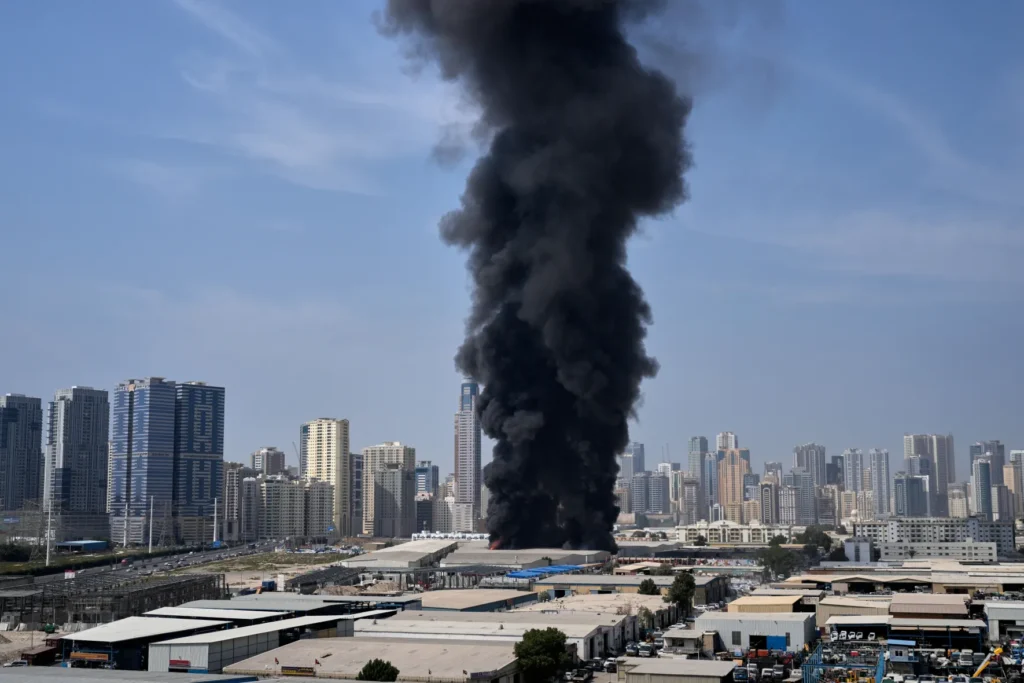
Yet images of smoke rising over Sharjah and reports of damage near beachfront hotels have prompted some commentators to question whether the so-called “Dubai dream” can withstand prolonged regional instability.
Calm in the Face of Uncertainty
For many residents, daily life has continued with cautious normality.
A British finance worker living in the city described feeling “apprehensive” but not panicked. “There seem to be relatively few incidents, so the probability that you get hit is very low,” he said. “People are going about their business. Waitrose was very busy.”
Others echoed that sentiment. Property developer Nick Candy, speaking from Dubai, said the situation had “calmed down” compared with earlier in the weekend. He praised the government’s communication, noting that residents had received regular alerts on their phones.
The crisis has also disrupted travel on a massive scale. Flights were cancelled or diverted, leaving passengers stranded in hotels and airport terminals. Among them was Mark Lee, a professor at the University of Birmingham, who was returning from a trade mission to India.
“I’m a bit frustrated not to be home,” he admitted, after discovering his luggage had continued on without him. He spent Sunday morning buying essentials at Marks & Spencer. “I don’t think it’s helpful to panic in these situations. I’ve got my laptop. I can catch up with emails.”
Nightlife Continues Under Missile Fire
Even as guests were directed to sleep in hotel basements for safety, parts of Dubai’s famed nightlife carried on.
At an Irish pub on the Palm Jumeirah, patrons shrugged off reports that missile debris had struck the nearby Fairmont The Palm, causing a fire. Emergency crews later inspected the site.
Holidaymakers Caroline and Marc Bishop from Southampton were by their hotel pool when they heard explosions overhead. “We heard three almighty bangs,” Caroline said. “You could see white smoke in the sky where they had started intercepting some of the missiles.”
Their return flight to the UK was cancelled, leaving them extending their stay. “There’s hardly anyone at the pool or in the restaurants,” she said. “Bridgerton and a few cocktails are keeping me entertained.”
Political and Regional Fallout
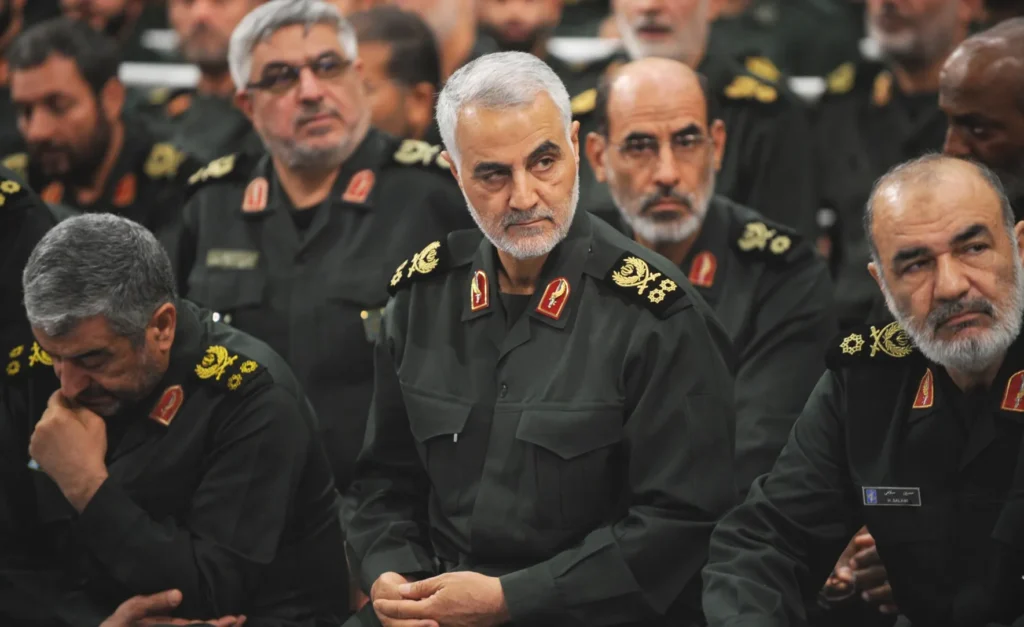
The escalation has revived memories of warnings issued years ago by Iranian commander Qasem Soleimani, who once described the UAE as a “glass house” vulnerable to missile strikes. Soleimani was killed in a US drone strike in 2020.
Now, the UAE faces a delicate balancing act. Alongside other Gulf states, it has urged de-escalation while distancing itself from direct involvement in the conflict.
Senior Emirati official Anwar Gargash criticised Iran’s actions, arguing that escalating attacks only reinforce perceptions of Tehran as a regional destabilising force.
For now, the UAE’s advanced air defence systems appear to be holding. But as smoke drifts across skylines better known for sunshine and skyscrapers, the sense of invulnerability that defined Dubai’s global brand has been shaken.
Whether this proves a temporary disruption or a turning point for the Gulf’s tourism powerhouse remains to be seen.