
A new generation of Alzheimer’s drugs has been shown to delay cognitive decline, but they can only be prescribed to patients in the early stages of the disease. In the UK, however, only around two thirds of people with dementia receive a formal diagnosis, and fewer than one in ten are told how advanced their condition is.
Clinicians warn that the lack of “staging” for dementia patients identifying whether the disease is mild, moderate or severe — severely limits treatment options and long-term planning. One doctor compared the situation to telling someone they have cancer “without saying what type it is, what stage it’s at, or what the prognosis might be”.
Accurate staging requires specialist diagnostic tests to confirm the build-up of toxic proteins in the brain, known as amyloid and tau. These tests include advanced PET brain scans or spinal fluid analysis via lumbar puncture, collectively referred to as biomarker testing.
Yet only 5 per cent of Alzheimer’s patients in the UK receive a biomarker-confirmed diagnosis, according to a study of 717 NHS patients published in the Journal of Alzheimer’s Disease Reports. This is the lowest rate among major European countries examined. In Italy, around 30 per cent of patients receive biomarker testing, compared with 20 per cent in Germany and Spain.
Health charities are now urging the NHS to invest in diagnostic capacity to allow earlier and more precise identification of Alzheimer’s, including confirmation of disease subtype and stage.
Dr Emily Pegg, associate vice-president at pharmaceutical company Eli Lilly, said the UK was “really lagging behind” in its testing capacity.
“The vast majority of patients are not getting a stage recorded, so they don’t know whether they are early in the disease or further along,” she said. “It is like diagnosing cancer without saying what subtype or stage it is. We would never accept that in cancer care.”
There are an estimated 982,000 people living with dementia in the UK, with Alzheimer’s accounting for around 70 per cent of cases.
Data from a separate study of 12,000 Alzheimer’s patients in London, presented at the Alzheimer’s Association International Conference, showed that fewer than one in ten patients were staged at diagnosis. Only a third received staging at any point over an eight-year period.
Experts say staging is vital not only for treatment eligibility but also for helping families plan care, finances and future support.
It is also essential for accessing newly approved drugs such as donanemab and lecanemab, which remove toxic proteins from the brain to slow disease progression. While both medicines have been approved for use in the UK, they are not currently available on the NHS and are licensed only for early-stage Alzheimer’s.
“If patients don’t get staged, they have no opportunity to access these medicines,” Pegg said. “Once people move into later stages, they become ineligible. That leaves them with no meaningful chance to delay the disease and a near-certain path towards loss of independence.”
Families affected by dementia say earlier diagnosis and staging would make a profound difference.
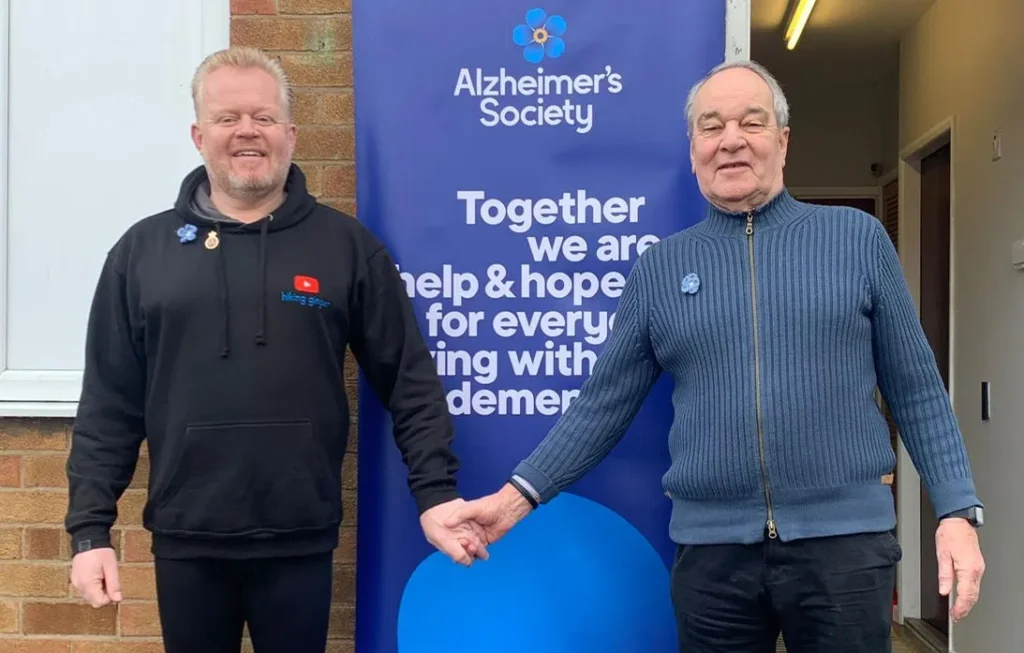
Paul Lindsay, 52, cares for his father Richard, 80, who began showing symptoms a decade ago. It took four years and repeated GP visits before Richard was diagnosed, followed by almost a year-long wait for a hospital brain scan.
“That is a long time when someone is clearly struggling,” Lindsay said. “When he was finally diagnosed, we were told it was Alzheimer’s but nothing more. There was no staging, no explanation of where he was on the journey.”
He said the late diagnosis left his family unprepared for the emotional and practical impact of the disease. “My mum wasn’t ready to become a full-time carer. She wasn’t prepared to lose a husband in this way.”
“Physically, my dad is still quite fit, but cognitively he’s gone. He’s been cheated of the chance to try treatments that might have slowed this down.”
Michelle Dyson, chief executive of Alzheimer’s Society, said dementia remains the UK’s biggest killer, yet diagnosis rates remain unacceptably low.
“More than a third of people don’t have a diagnosis at all,” she said. “And for those who do, it takes over three years on average from the first symptoms. That’s three years without answers, support or treatment.”
She added that clear staging was essential to improving outcomes. “Nine in ten people tell us that getting a diagnosis made a real difference. That’s why diagnosing people earlier and more accurately must be a priority.”