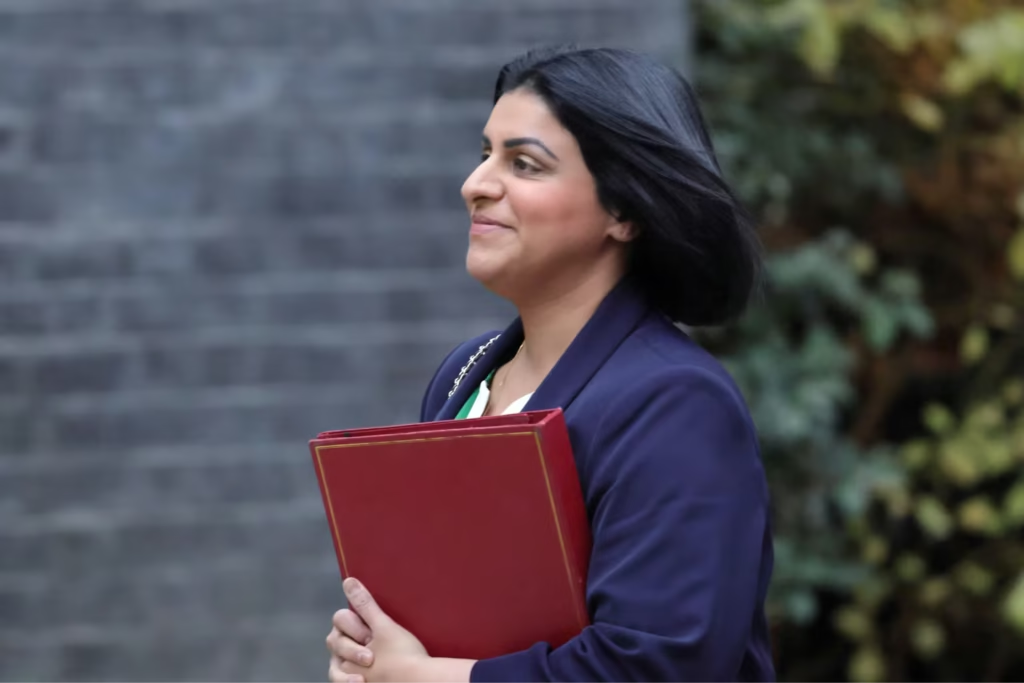
The Home Secretary, Shabana Mahmood, is set to activate what officials describe as an “emergency brake”, suspending sponsored study visas for applicants from Afghanistan, Cameroon, Myanmar and Sudan with immediate effect. In addition, new skilled worker visas for Afghan nationals will be refused.
The decision follows a sharp rise in asylum claims from individuals who originally entered the UK through legal visa routes. Government data shows asylum claims from students from the four countries increased by 470 per cent between 2021 and last year.
According to the Home Office, nearly 135,000 people have arrived legally on visas since 2021 and later lodged asylum applications. Last year alone, 39 per cent of asylum claimants 39,095 people had entered Britain on a visa. Of those, 35 per cent held work visas, 32 per cent study visas, 19 per cent visitor visas, while the remainder entered on other forms of permission.
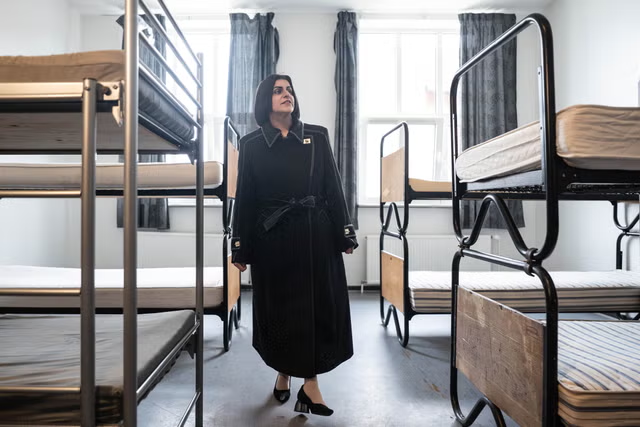
Officials say the trend has placed severe pressure on the asylum system. Accommodation for asylum seekers is now costing more than £4 billion annually, with around 16,000 individuals from the four affected countries currently receiving taxpayer-funded support, including more than 6,000 housed in hotels.
In the case of Afghanistan, the proportion of asylum claims compared with study visas issued reportedly reached 95 per cent between 2021 and the year ending September 2025. Applications from Myanmar rose sixteen-fold over the same period, while claims from Cameroon and Sudan increased by more than 330 per cent.
A senior government source indicated that the emergency measures could be extended to other countries if similar patterns emerge.
The reforms form part of a broader overhaul of the asylum framework. Mahmood is expected to outline plans requiring refugees to have their status reviewed every 30 months. Under the proposed changes, those whose home countries are deemed safe may be expected to return, while others will need to renew their permission to stay or switch to alternative visa routes, paying the relevant fees.
The approach is understood to draw on elements of Denmark’s immigration model, where refugee status is subject to regular review.
Ministers insist that Britain remains committed to offering protection to those fleeing war and persecution, but argue that the visa system must not be abused. The government says the latest measures are aimed at restoring public confidence and tightening control over legal migration routes.