
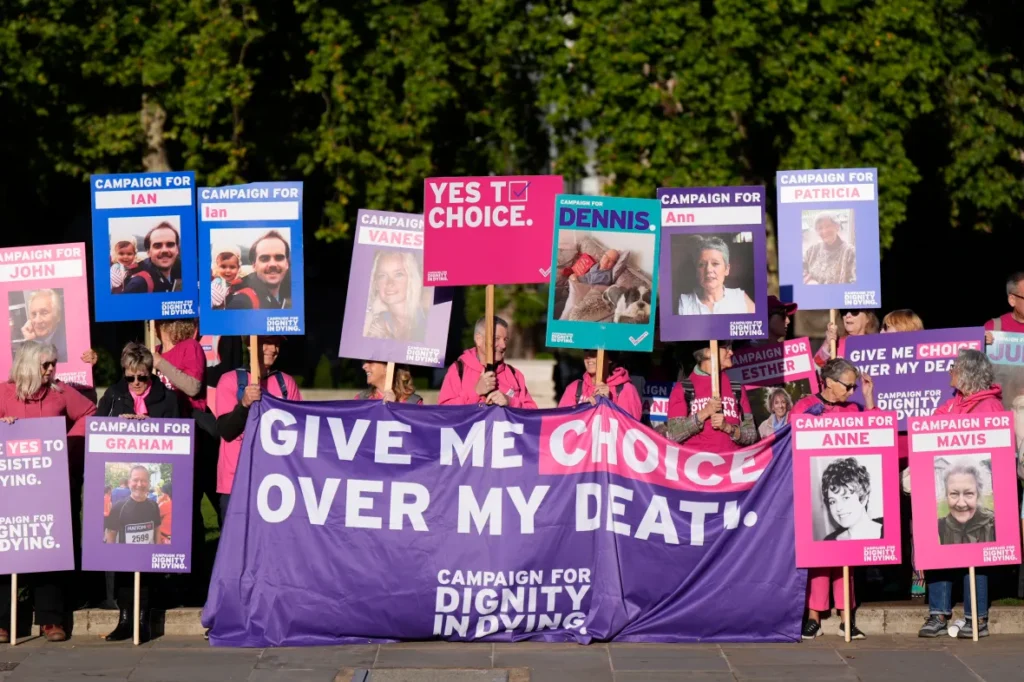
Baroness May of Maidenhead has launched a passionate attack on the assisted dying bill, calling it a “licence to kill” as the House of Lords began debating the legislation.
The former prime minister warned that the proposed law could pressure people into ending their lives for the benefit of others and might even be used to cover up mistakes made by hospitals.
“Legalising assisted dying reinforces the dangerous notion that some lives are less worth living than others. Current safeguards could end up being watered down,” Baroness May said.
In contrast, another former cabinet minister, Lord Forsyth of Drumlean, announced he had changed his mind and would support the bill after his father expressed regret that previous laws prevented him from choosing his own death.
“As a Christian I have thought about this long and hard and concluded that my father was right,” Lord Forsyth said.
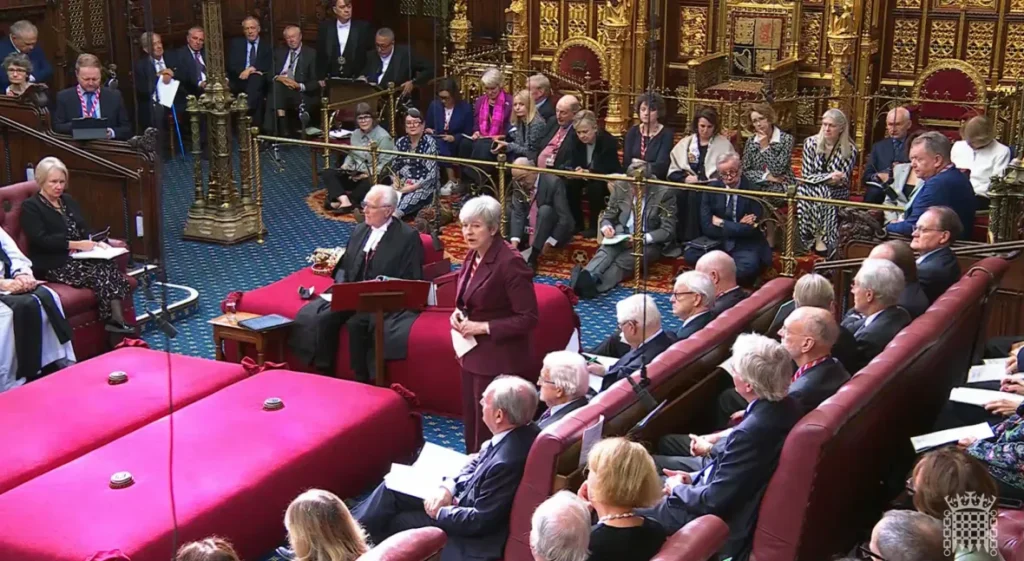
A record 190 peers, including former ministers, five bishops, and a former president of the Supreme Court, are expected to speak over two days of debate in the Lords.
Baroness May argued the legislation sends the wrong message to society about suicide.
“Suicide is wrong but this bill effectively says suicide is okay. What message does that give to our society? Suicide is not okay. Suicide is wrong. This bill is wrong and should not pass.”
She also expressed concern that the law could be misused to cover up hospital errors or illnesses acquired in care.
The former Paralympian Baroness Grey-Thompson warned the bill blurs the line between assisted dying and euthanasia.
“The doctor only has to ascertain if the person has been coerced but how? It is not specified in the bill. Cases have emerged where patients did not have a terminal illness and we would never know under this legislation.”
Lord Falconer of Thoroton, a former lord chancellor overseeing the bill in the Lords, stressed that the chamber’s role is to scrutinise rather than frustrate legislation passed by the Commons.
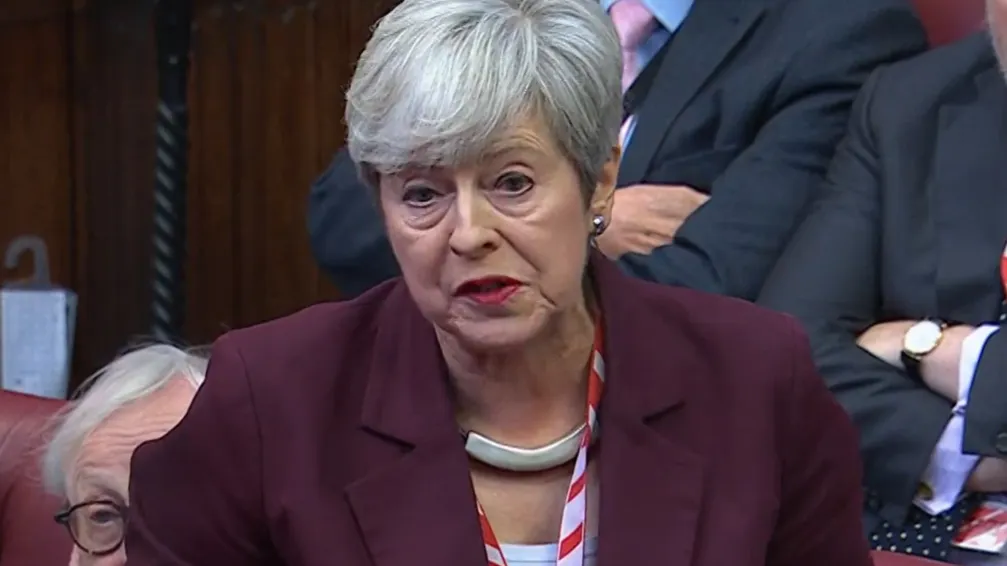
“The bill has been passed by the Commons. Changing the law is the responsibility of elected representatives. The Lords should improve where possible but respect the primacy of the Commons.”
The bill, introduced by Kim Leadbeater as a private member’s bill, passed its third reading in the Commons by a majority of 23 in June. Baroness Falkner of Margravine, chairwoman of the Equality and Human Rights Commission, raised concerns that private member’s bills lack the pre-legislative scrutiny of government-backed legislation.
“This is complex legislation with serious implications for equality and human rights. Any assisted dying bill must uphold everyone’s rights and include safeguards against discrimination. A private member’s bill is not the appropriate vehicle for such significant lawmaking.”