
The National Institute of Economic and Social Research said the Bank of England may have to respond to a significant energy shock that could push inflation higher, adding pressure on households and the Chancellor, Rachel Reeves.
Financial markets have been unsettled this week following conflict in the region, with oil and gas prices rising sharply amid fears of supply disruption. Concerns have centred on Iran’s threat to block the Strait of Hormuz, a key shipping route through which a substantial share of global oil supplies pass.
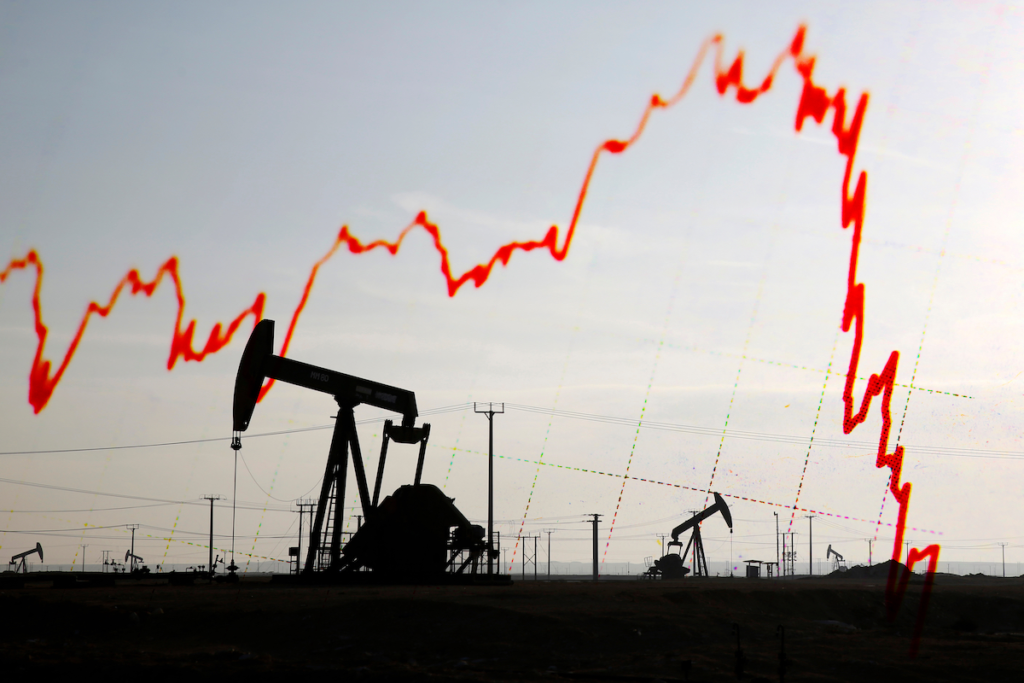
The price of Brent crude, the international oil benchmark, has risen by around 15 per cent since the conflict began. It briefly traded above $84 a barrel before easing to around $81.55.
Gas prices in the UK have also surged, with the benchmark NBP gas price jumping significantly in recent days. Analysts warn that if supply disruptions continue, prices could climb further.
NIESR cautioned that if oil reaches $100 a barrel and gas prices rise substantially and remain elevated for a year, UK interest rates could increase by as much as 0.8 percentage points in response to higher inflation.
In a milder scenario where energy prices spike temporarily and stabilise within three months, the think tank expects consumer price inflation to rise moderately compared with previous forecasts. In that case, policymakers may choose to look through the short term shock, meaning it would have limited impact on interest rate decisions.
UK inflation recently fell to 3 per cent, its lowest level in nearly a year, encouraging expectations of further rate cuts. The Bank of England kept rates unchanged at 3.75 per cent at its most recent meeting.
However, traders have reduced expectations of an interest rate cut at the upcoming policy meeting. Market pricing now suggests a lower probability of a reduction compared with last week.
Economists say the key question for the Bank will be whether any rise in inflation proves temporary or persistent. NIESR warned that prolonged energy price increases could complicate monetary policy decisions.
The potential rise in borrowing costs could also affect government finances by increasing debt servicing expenses, placing additional pressure on fiscal planning.
Some economists believe interest rates still have room to fall later this year, although the timing of any cuts may depend on developments in global energy markets and the trajectory of Middle East tensions.