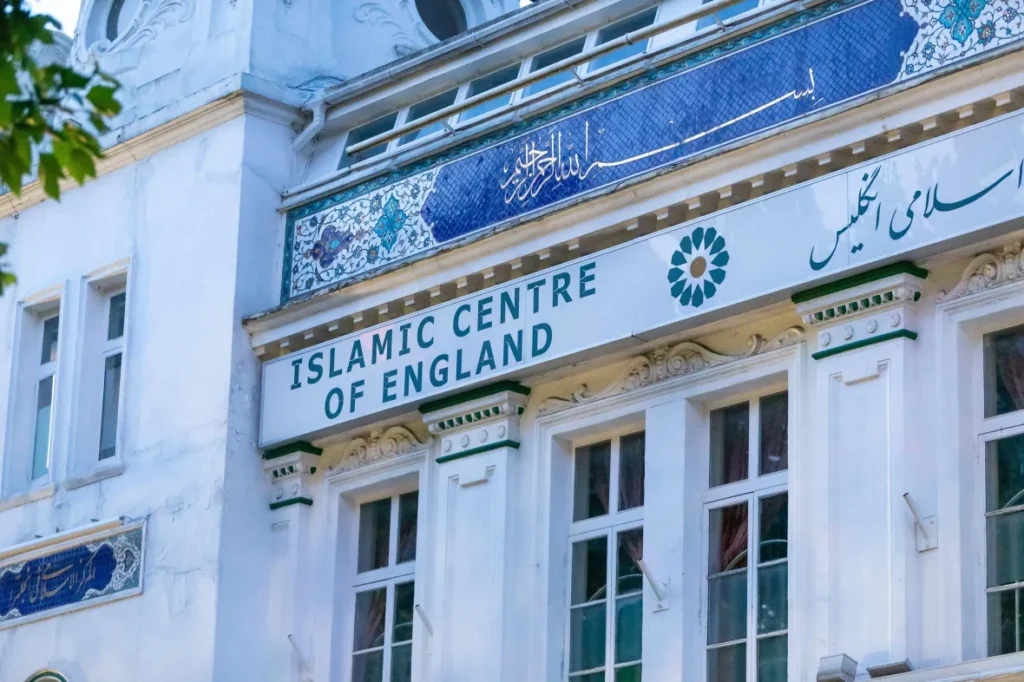
Candles and photographs were placed outside the Islamic Centre of England in Maida Vale, with video footage circulating online appearing to show worshippers sobbing during a service. In one clip, a mourner can be heard chanting allegiance to Khamenei.
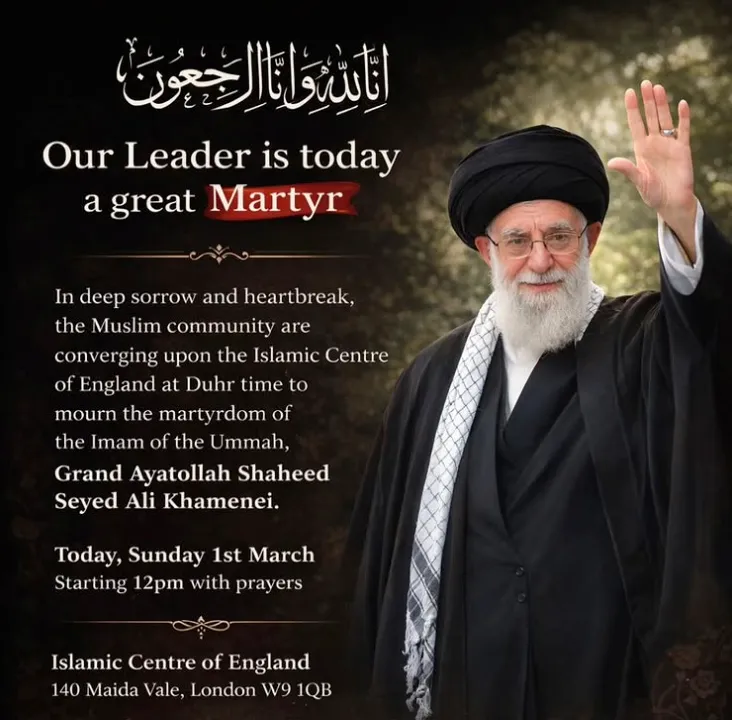
Leaflets shared online advertised a mourning ceremony at the centre following confirmation that Khamenei had been killed in a missile strike. The material described him as a “great martyr” and called on the Muslim community to gather in sorrow. The date of some of the footage could not be independently verified.
The Islamic Centre of England, which operates as a registered charity, has previously stated that it does not endorse extremism or unlawful activity and focuses on religious, educational and community services. It has been under investigation by the Charity Commission since November 2022.
The centre has previously attracted scrutiny. In 2020 it received a warning from the regulator after hosting a vigil for Qasem Soleimani, the Iranian commander killed in a US air strike. It was also described in a 2024 report by the think tank Policy Exchange as a key hub within a broader network projecting Iranian influence in Britain.
Beyond London, at least 15 Islamic student societies at UK universities are reported to have organised vigils or shared tributes to Khamenei. Posts reviewed online included messages describing him as a martyr and expressing collective grief. Some accounts also shared material attributed to the Islamic Revolutionary Guard Corps, which is sanctioned by the UK government though not formally proscribed as a terrorist organisation.
Universities where student Islamic societies were reported to have shared condolences include the University of Cambridge, the University of Manchester and University College London, among others. Some institutions have confirmed they are reviewing the matter, while others stressed that affiliated student groups operate independently within established guidelines.
The Department for Education said it would not tolerate extremism on university campuses.
Critics have voiced concern about the implications of such gatherings. Kasra Aarabi, of United Against Nuclear Iran, said the events were troubling given allegations that the Iranian regime has supported hostile activity abroad. He argued that the UK government should take stronger action against institutions linked to Tehran.
Others have defended the vigils as religious expressions of grief rather than political statements. Birmingham City University’s Ahlul Bayt Islamic Society said its event was intended to mark the passing of a religious scholar and spiritual guide, not to promote political ideology.
The developments come amid heightened tensions in the Middle East and increased scrutiny of foreign state influence within Britain. Authorities have not indicated that the vigils breached any laws, but the events have reignited debate over how the UK balances freedom of expression and association with national security concerns.