
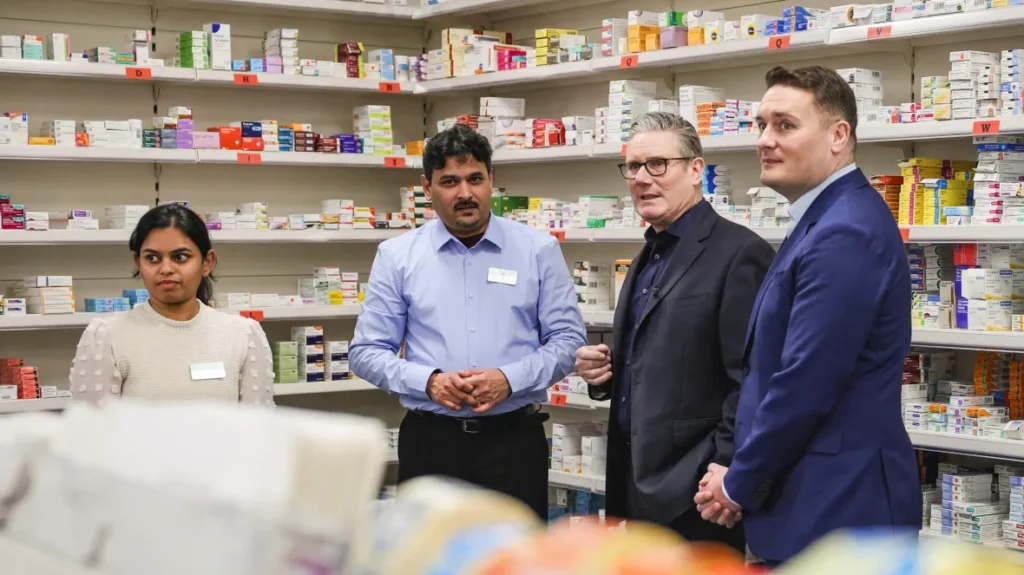
Health Secretary Wes Streeting said the plan aims to save 320,000 lives by 2035, address long NHS waiting times and close the gap between Britain and comparable countries on cancer survival rates.
Streeting acknowledged that cancer outcomes in the UK currently lag behind several European nations, warning that delays in diagnosis and treatment mean cancer is more likely to be fatal in Britain than elsewhere. Survival rates for some cancers trail those in countries such as Romania and Poland, largely due to late detection.
Under the plan, the government will invest £2.3 billion in new scanning equipment, diagnostic technology and testing capacity, alongside a major expansion of robot-assisted surgery across the NHS.
At present, around 60 per cent of cancer patients survive for at least five years after diagnosis. The government has now set a target that by 2035, at least 75 per cent of patients will either be cured or living well five years after diagnosis.
Streeting described the coming decade as a potential “golden age” of medicine, driven by personalised treatments, genomic testing and new drugs, some of which are already being rolled out across the NHS.
The government has also committed to meeting three key NHS cancer waiting-time targets by March 2029, targets that have not been consistently met since 2014. Current NHS data shows that only 70 per cent of patients begin treatment within 62 days of diagnosis, below the 85 per cent target.
Streeting cited the death of his friend Nathaniel Dye, who died of bowel cancer after waiting 106 days for diagnosis, as an example of the human cost of delays. Streeting, himself a cancer survivor diagnosed with kidney cancer in 2021, said his personal experience strengthened his resolve to reform cancer care.
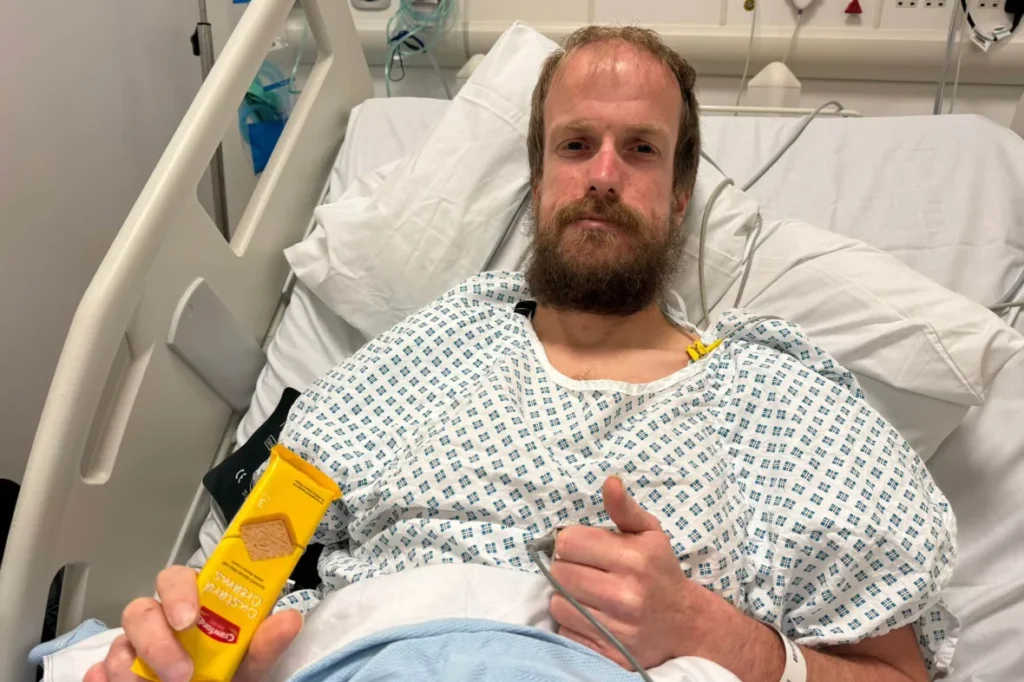
“This plan will slash waits, invest in cutting-edge technology and give every patient the best possible chance of beating cancer,” he said.
Key reforms include offering genetic and genomic testing to all cancer patients who could benefit, allowing doctors to match individuals with treatments targeting specific mutations. Streeting said this would end “one-size-fits-all” care and usher in an era of personalised medicine.
The number of patients receiving robot-assisted surgery is expected to rise sharply from 70,000 a year to 500,000, improving precision and speeding recovery times. The NHS also plans to expand evening and weekend diagnostic appointments, delivering an additional 9.5 million tests by 2029.
Experts have welcomed the ambition but warned of significant challenges. Cancer Research UK said improving survival rates is vital, while analysts from the Nuffield Trust and The King’s Fund questioned whether the NHS could realistically meet waiting-time targets without a major acceleration in performance.
Despite the concerns, the government insists the reforms, combined with technological advances, will transform outcomes and ensure that where a patient lives no longer determines their chance of surviving cancer.