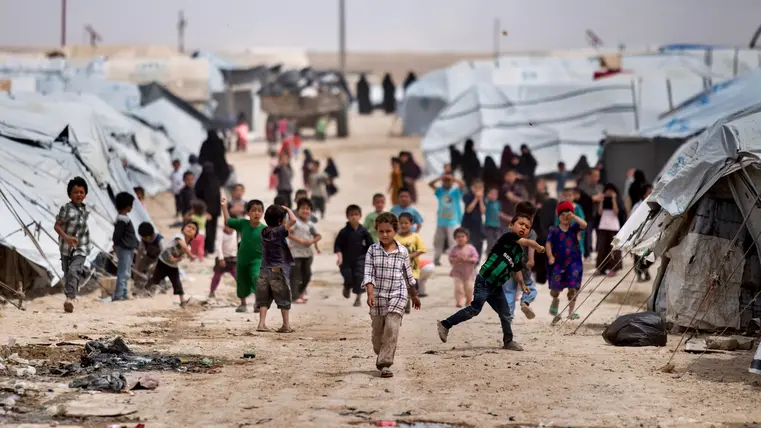
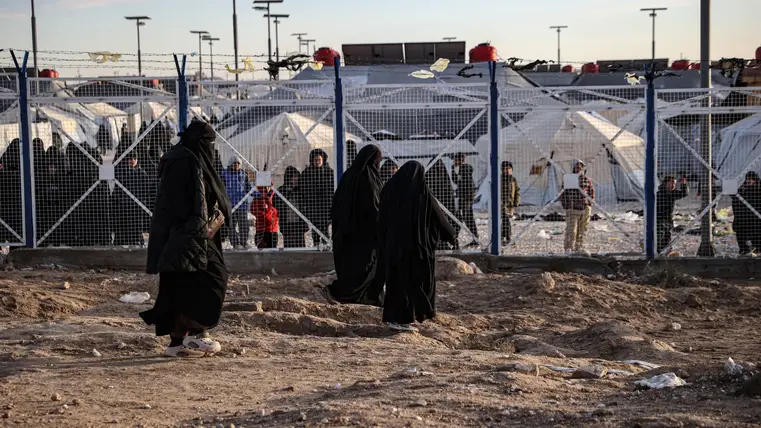
Six women and nine children have been returned to the UK from detention facilities run by the Kurdish-led Syrian Democratic Forces (SDF), without public announcement. The individuals were held at al-Roj camp near the Iraqi border, where Begum was also detained before being stripped of her British citizenship.
The disclosure comes amid growing concern that instability in eastern Syria could lead to mass escapes from camps holding suspected Isis affiliates, as the Syrian government moves to reclaim territory from the SDF. While the SDF still controls al-Roj, the camp is expected to be handed over to the Damascus authorities under President Ahmed al-Sharaa.
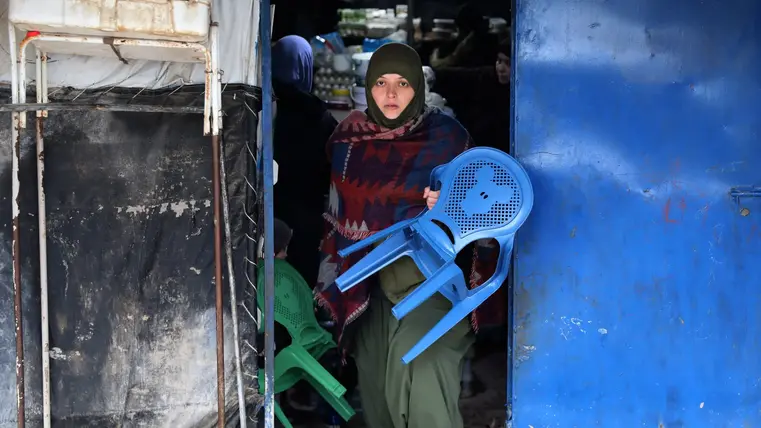
A senior camp official said 29 women and children who currently hold, or once held, British citizenship remain in al-Roj. Their future is uncertain, particularly after a larger camp, al-Hawl, was overtaken by Syrian government forces in a chaotic handover that reportedly led to riots, fires and multiple escapes.
Shamima Begum, one of three teenage girls from Bethnal Green who travelled to Syria in 2015, remains barred from returning to the UK after her citizenship was revoked. The other two girls are believed to have died during fighting following the collapse of the so-called Isis caliphate.
Following Begum’s discovery in an SDF camp in 2019, public pressure hardened the UK government’s stance, effectively blocking the return of most British women who had travelled to Syria as adults. While some unaccompanied minors were allowed back to the UK under strict anonymity, children detained with their mothers were largely left behind.
Although the government’s official policy has not changed, a small number of women have been allowed to return with their children on a case-by-case basis. Most were minors when they entered Syria. Previous reports suggested that at least three women and 18 children had been repatriated, though only a handful of cases were publicly acknowledged. It is now understood that further families returned in 2024 and 2025.
The issue has gained urgency as the UK prepares to resume deportations of foreign criminals and failed asylum seekers to Syria, following the fall of the Assad regime in December 2024. The Home Office has confirmed it is also exploring enforced returns for the first time in 15 years.
Conditions inside the camps have long alarmed aid groups and security experts. At al-Hawl, children were raised amid extremist ideology, with reports of violence, indoctrination and abuse. Kurdish officials repeatedly urged foreign governments to take responsibility for their citizens, warning that indefinite detention was unsustainable.
Human rights organisations have renewed calls for Britain to repatriate the remaining women and children. Reprieve, which represents several families detained in Syria, criticised the UK’s cautious approach, arguing that British nationals are now at heightened risk as the camps face collapse.
The charity said that while other Western allies have repatriation policies, Britain has returned only a small number of families across two governments, despite pressure from the United States to act. It added that any adults suspected of crimes could be prosecuted under UK law.